
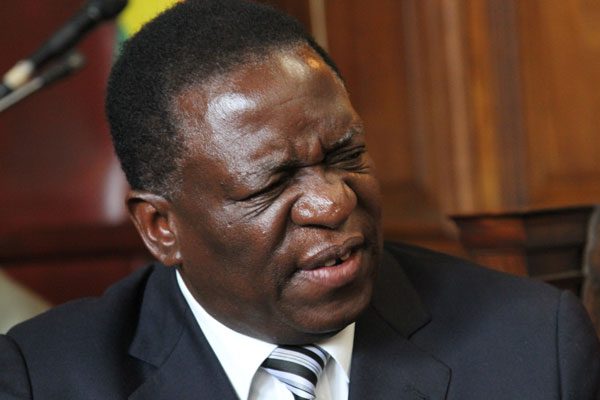
Former Botswana president Ian Khama has criticised Zimbabwe’s proposed Constitutional Amendment Bill No. 3 (CAB3), accusing leaders who seek to extend their time in office of weakening democratic institutions.
In remarks shared on his Facebook page, Khama said Zimbabwe appeared to be joining a growing number of African countries where constitutional changes are used to prolong presidential rule.
His comments come days after the National Assembly passed CAB3 during its third reading, with 216 lawmakers voting in favour and 42 against, clearing the way for proposed changes to the Constitution.
Khama alleged that constitutional amendments in some African countries were being driven by electoral manipulation and financial inducements.
On this topic
“Here we go again. Another power-hungry president has the constitution amended through rigging and cash inducements to extend his term of office,” he said.
He pointed to long-serving African leaders, including Paul Biya of Cameroon, Yoweri Museveni of Uganda and Paul Kagame of Rwanda as examples of leaders who have remained in power for decades.
Khama also accused some governments on the continent of using repression to maintain control, citing political detentions, kidnappings and enforced disappearances.
“Political assassinations, fabricated charges and detentions, kidnappings and disappearances… are the modus operandi of these and other such tyrants,” he said.
Referring to Zimbabwe’s political history, Khama said the country had experienced prolonged oppression, from the Gukurahundi massacres to the present day.
He recalled remarks made during the launch of opposition politician and lawyer Job Sikhala’s book Footprints in the Chains, arguing that, in his view, little had changed since the Rhodesian era under Ian Smith.
“The only thing that has changed since Rhodesia and Ian Smith is the name of the country and that of its leaders. Oppressors come in all colours,” Khama said.
CAB3 has sparked intense debate in Zimbabwe. Supporters say the proposed amendments are necessary to improve governance and ensure continuity in state institutions.
Critics, however, argue that the changes could weaken constitutional safeguards and further concentrate political power.
The Zimbabwean government has previously maintained that constitutional reforms are being pursued lawfully and in line with democratic processes.
The bill continues to draw scrutiny from opposition parties, civil society groups and regional observers.









Leave a Reply