
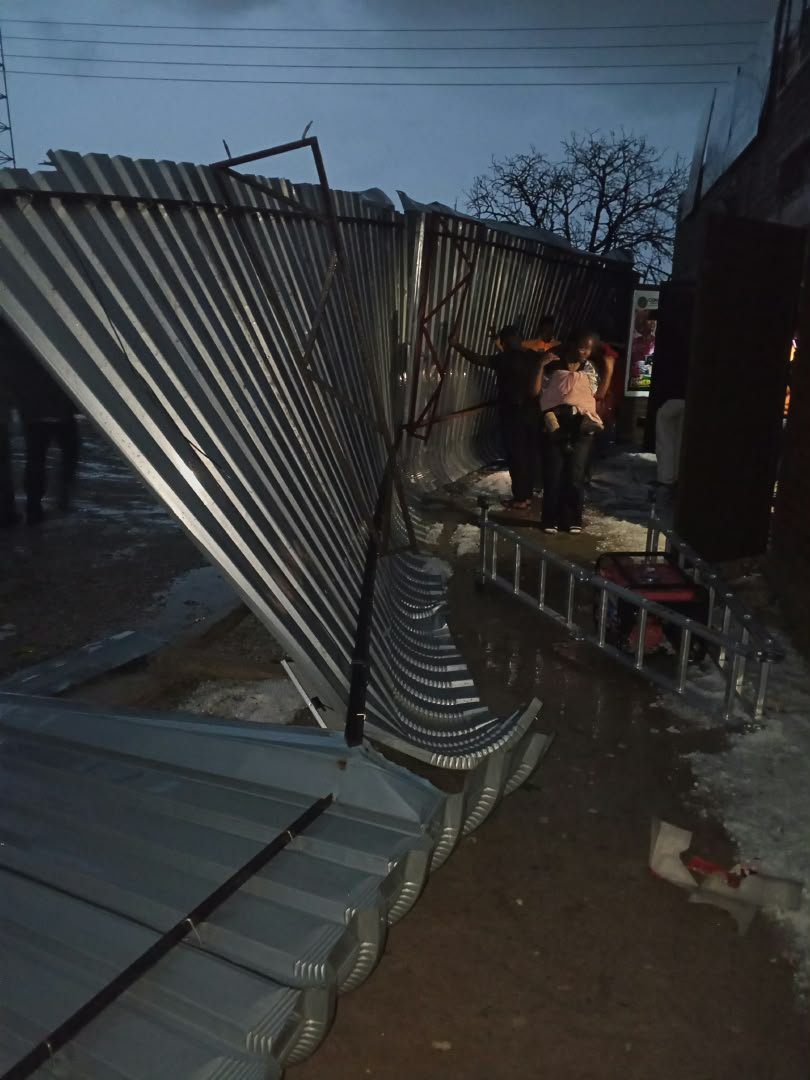
The government has appealed to the private sector and development partners to assist communities affected by the devastating hailstorm that hit Masvingo Province on Monday, leaving a trail of damage on thousands of households and other facilities.
Local Government and Public Works Minister, Daniel Garwe, said the government was deploying available resources while coordinating relief efforts across the affected areas.
“While the state is deploying all available resources, we make an urgent appeal to the private sector and partners to join hands with the government. In view of this crisis, and to facilitate rapid relief operations, I have called for all government agencies to join hands in assisting the affected communities,” he said in a statement.
President Emmerson Mnangagwa declared a State of Disaster in the affected areas following the hailstorm, which struck the province on the evening of October 5, 2026.
On this topic
The declaration was made in terms of Section 27(1) of the Civil Protection Act [Chapter 10:06].
Garwe said preliminary assessments showed the storm had caused extensive damage to homes, public institutions, businesses and critical infrastructure.
“Approximately 8 500 households have had their roofs completely blown off. Furthermore, out of 17 000 households assessed, approximately 90 percent sustained shattered windowpanes, leaving families exposed to the weather elements at the very onset of the rainy season,” said the local government minister.
Several key institutions were also affected, including Great Zimbabwe University’s Mucheke Campus, Masvingo Polytechnic, Masvingo Teachers College, Maud Muzenda Training Centre, the Passport Office, Grain Marketing Board, Chiefs Hall and the Veterinary Office.
Other affected facilities include the District Development Coordinator’s Office, ZIMRE Building, Masvingo Urban VTC, Runyararo Clinic Maternity Ward, Rujeko Hall, 4.1 Brigade, Masvingo Airport and the Zimbabwe Electoral Commission provincial office.
Businesses in Masvingo City were also disrupted after major retail and hospitality facilities suffered roof damage, resulting in water leaks and damage to property and assets.
The storm also damaged electricity infrastructure, with ZESA power lines affected across the province.
Garwe said the power outages had in turn disrupted water pumping systems, municipal drainage infrastructure and sewer networks, creating a public health risk.
“Widespread power outages have concurrently affected water pumping supply systems, municipal drainage infrastructure, and sewer networks, presenting an immediate public health risk that the government is moving swiftly to contain,” he noted.
The minister said government agencies had been directed to work together in the relief response as authorities assess the extent of the damage and support affected communities.





Leave a Reply