
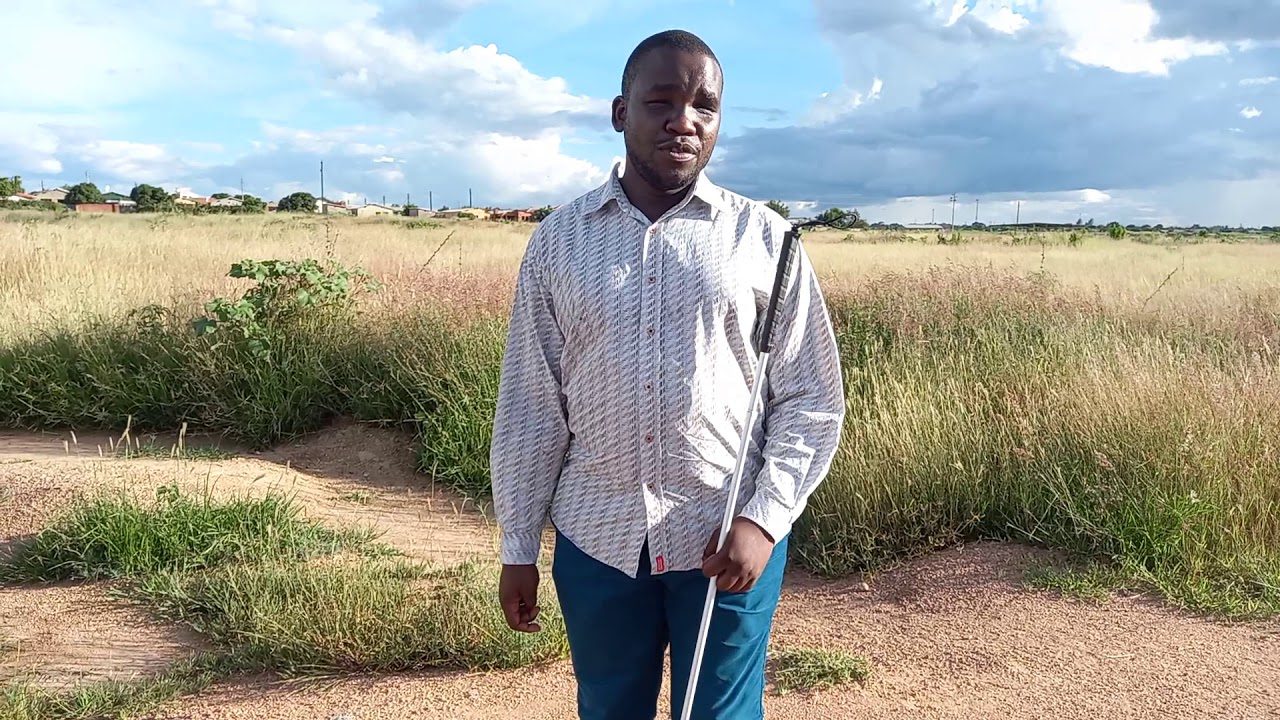
Gateway to Elation has launched a project to improve digital access and civic participation among the blind as the organisation marks 10 years of creating opportunities for blind and visually impaired people.
The Accessible Digital Civic Participation for Blind Communities project was launched during the organisation’s 10th anniversary celebrations held in Bulawayo on Friday.
Speaking at the event, held under the theme “Digital Access, Civic Voices”, Gateway to Elation founder and director Robert Malunda said the project sought to ensure blind people could use technology to participate in issues affecting their lives.
“We are celebrating 10 years of opening gateways. 10 years of working to create opportunities for blind and visually impaired people. 10 years of believing that disability should never be a barrier to learning, independence, participation and opportunity,” Malunda said.
On this topic
He said the anniversary marked both a reflection on the organisation’s achievements and the beginning of a new chapter focused on digital inclusion.
“These words are more than just a theme and a motto. They also mark the beginning of a new chapter for Gateway to Elation. As we celebrate ten years of our journey, we are proud to launch a new project: ‘Accessible Digital Civic Participation for Blind Communities’,” he said.
Malunda said the project was based on the belief that access to digital technology alone was not enough if blind people could not use it to engage, express themselves and influence issues affecting their communities.
“This project comes from a simple belief, that blind people should not only have access to digital technology, but should have the opportunity to use that technology to participate, engage, express themselves and influence the issues that affect their lives,” he said.
He said the increasing shift of government services, education, employment, banking and civic engagement to digital platforms risked excluding blind people when such platforms were not designed with accessibility in mind.
“For a blind person, a website may exist, but if it is not compatible with a screen reader, that website might as well not exist,” Malunda said.
He cited inaccessible documents, government platforms and videos as other barriers that could prevent blind people from independently accessing information and services.
“Technology can be available to everyone and still be inaccessible to many. True digital inclusion means designing technology from the beginning with different users in mind. It means accessibility should not be an afterthought,” he said.
Malunda said the project would help blind people develop the knowledge, confidence and digital skills needed to participate more meaningfully in society.
He said access was only the first step, arguing that blind people should be active participants in the digital space rather than passive recipients of services.
“We do not want to simply be able to enter the digital space. We want to participate in it. We want to create. We want to communicate. We want to learn. We want to work. We want to build businesses. We want to contribute ideas. We want to engage with the government,” he said.
“We want to speak about the issues affecting our communities. We want to vote, where digital systems are involved. We want to hold institutions accountable. We want to be citizens, not spectators.”
Malunda said persons with disabilities should be recognised as active contributors to society rather than merely beneficiaries of services.
“For too long, persons with disabilities have sometimes been treated as people who should simply receive services. But we are not only beneficiaries. We are participants. We are leaders. We are entrepreneurs. We are students. We are professionals. We are parents. We are innovators. We are voters. We are community members,” he said.
He said accessible digital technology could create opportunities for greater independence, including access to education, entrepreneurship, employment opportunities, public information and community discussions.
However, Malunda said meaningful digital inclusion required more than access to devices and the internet.
“Participation requires more than technology. It requires confidence, skills, affordability and opportunity,” he said.
“Digital inclusion therefore has several dimensions. We need accessible technology. We need affordable connectivity. We need digital literacy. We need accessible information. We need people with disabilities involved in the design and decision-making processes that affect us.”
Malunda said the project also sought to ensure that the voices of blind people influenced decisions affecting their lives.
“Having a platform does not automatically mean having influence. Our voices must be listened to. Our experiences must inform policy. Our recommendations must be considered. Our participation must lead to meaningful change,” he said.
He said the project would empower blind people to speak for themselves and participate in digital civic discussions.
“We want to contribute to a future where blind people are not spoken for, but are equipped and empowered to speak for themselves. We want blind people to be part of the digital conversations taking place around them,” Malunda said.
He called on organisations developing digital services to involve people with disabilities in the design and testing of their platforms.
“When a new digital service is designed, ask whether persons with disabilities can use it. When a website is developed, test it with people who use screen readers. When an application is created, involve people with different disabilities in testing it,” he said.
Malunda said Gateway to Elation envisioned a future in which accessibility was standard practice rather than an afterthought.
“I believe we can choose a different future. A future where accessibility is normal. A future where digital platforms are designed for everyone,” he said.









Leave a Reply