
With hundreds of Zimbabwean children returning from South Africa following deportations and voluntary repatriation, parents, church leaders and community organisations are calling for authorities to establish a one-stop documentation system to make sure no child is denied access to education because they lack civil registration documents.
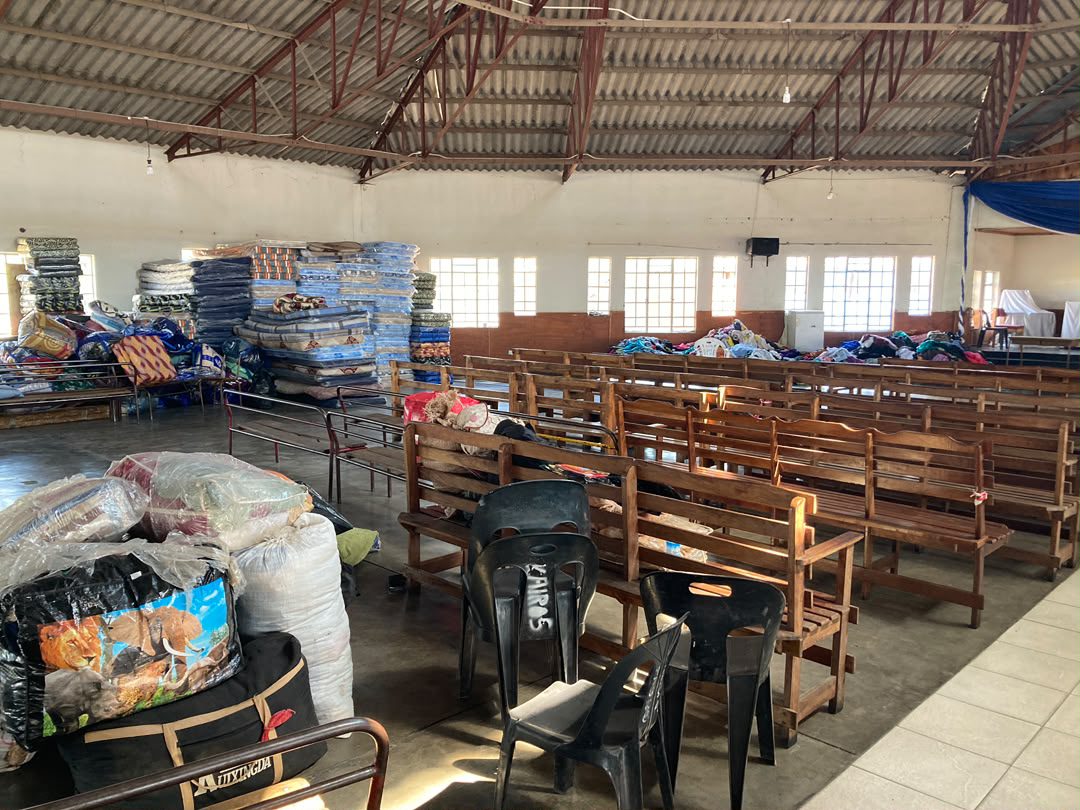
The appeal comes as increasing numbers of families arrive at the temporary reception and transit centre at the United Congregational Church of Southern Africa (UCCSA) in Njube, Bulawayo, where government departments, churches and volunteers are coordinating assistance for returning Zimbabweans.
While the government has deployed officials from the Civil Registry, the Ministry of Primary and Secondary Education, the Department of Social Development and police to assist returnees, stakeholders say many families continue to face significant hurdles in obtaining the documentation required to enrol children in school.
The challenge is particularly acute for children born in South Africa or those whose parents left Zimbabwe years ago without obtaining birth certificates or other identity documents.
On this topic
Desmond Ntini, who coordinates operations at the repatriation centre alongside church leaders, said the centre has become more than a place of temporary shelter, but often the first point of contact for families trying to rebuild their lives.
“We process people here. The government is helping us in terms of processing every person that comes through our centre. As churches, we make sure they are welcomed here, given proper attention and care and all the support they deserve,” he told CITE.
Ntini said they try to ensure returning citizens spend as little time as possible at the centre.
“We try not to keep people here for a long time. Sometimes families remain because one or two members are unwell and need medical attention. Once all the processes are completed, we make sure they receive support from relatives before travelling to their respective homes,” he said.
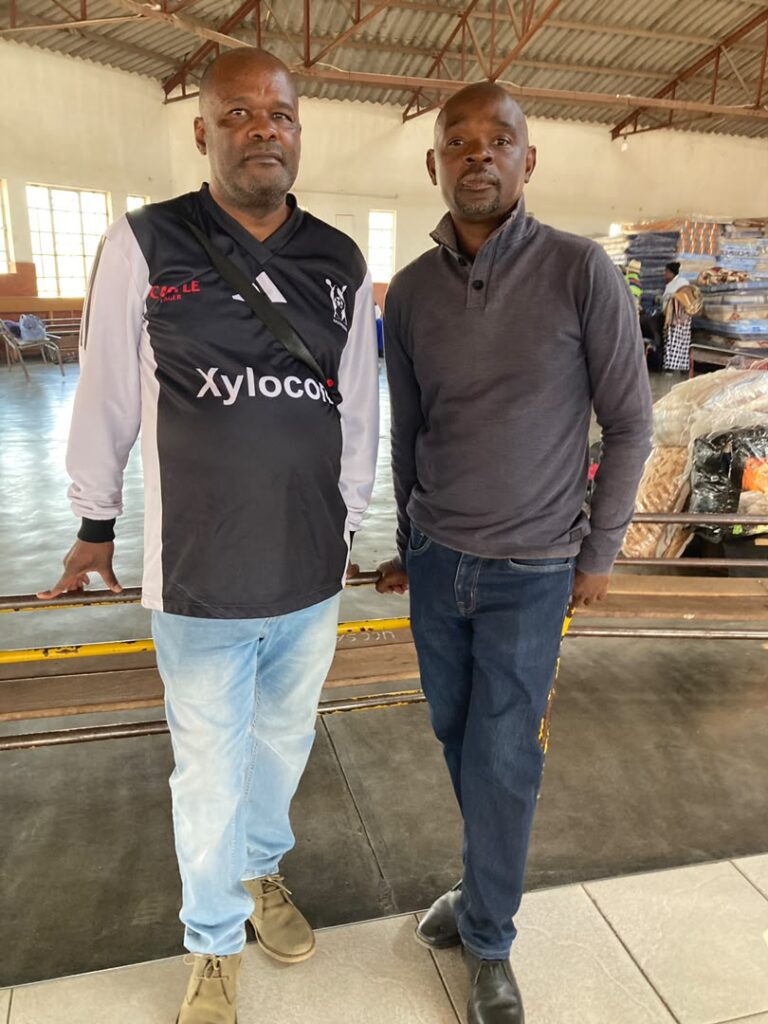
However, Ntini said one of the biggest concerns remains the future of school-going children.
“Schools were closed in South Africa while schools here were already open. But children cannot suffer because of the situation (taking place). Children have to go to school.”
He said as church leaders, they were encouraging school heads to accommodate children while their documentation was still processed.
“We are encouraging schools and headmasters to accept these children as the other processes are being completed,” Ntini said.
Despite the presence of several government ministries at the reception centre, Ntini believes more can be done to simplify documentation for vulnerable families.
He said some parents seeking assistance did not come through the organised repatriation programme but returned independently, only to discover that schools required documentation before enrolling their children.
“There are many parents who came on their own or earlier. They went to schools looking for places for their children but unfortunately they could not enrol them because of documentation,” Ntini said.
Ntini noted the reception centre should be empowered to issue official referral letters recognised by Civil Registry offices, making it easier for families to obtain birth certificates and other documents.
“They should be given letters here that will enable them to get documentation because it is challenging,” he said, citing how some parents do not even have birth certificates.
“A parent may have left Tsholotsho years ago without obtaining a birth certificate. The largest number of returnees are women and children, while men are few. Some of these children have no birth certificates.”
Ntini added officials stationed at the reception centre already understand each family’s circumstances and were therefore better placed to facilitate documentation than Registry offices unfamiliar with their cases.
“If you simply advise someone to go to the Registry, the officer serving them there will not be the same person who heard their story here. It becomes a completely different situation,” he said, noting streamlining the process at reception centres would reduce bureaucracy and prevent children from losing valuable learning time.
The education challenges facing returning children have also prompted calls for broader community support.
Business leader Busisa Moyo revealed that by Monday alone, about 200 school-going children had arrived in Bulawayo from South Africa.
“As of Monday we had circa 200 children of school-going age arriving in Bulawayo Metropolitan Province that were deported from South Africa. We will need to make sure these children are back in school next term,” he said.
Moyo appealed to the private sector to support a “Keep-a-Child-in-School” initiative aimed at restoring dignity to returning families.
The proposed school packs would include stationery, school uniforms, shoes and tuck for each child.
“We will work on the costing using concessionary prices for items that will go into this pack to support one student,” he said.
Moyo said several organisations had already pledged contributions, noting that the initiative was driven on a voluntary basis by the private sector.
He also welcomed the government’s decision to place returning children under the Basic Education Assistance Module (BEAM), which will cover school fees for eligible learners.
“The government has already said the fees for these children are covered under the BEAM programme,” he said.
However, Moyo noted that older students also require specialised assistance.
“There are a few university-level students who were deported midway through their studies and some at the end of their third or fourth year that will need more curated and specific interventions,” he said.
“Let’s restore the dignity of our returning countrymen as best we can.”
The Zimbabwe Community in South Africa chairperson, Ngqabutho Nicholas Mabhena, praised churches and community members for mobilising humanitarian assistance but stressed that “authorities should make sure children receive the civil documentation needed to access education and other essential services.”
Mabhena said humanitarian support must go beyond food and temporary shelter to include helping families secure birth certificates, identity documents and school placements.





Leave a Reply