
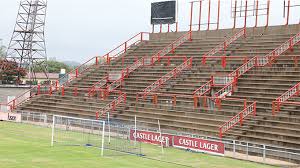
Bulawayo’s Deputy Mayor, Edwin Ndlovu, has called on the private sector to partner with the city in developing its sports industry, saying it should be treated as a key driver of economic growth rather than merely a recreational activity.
Speaking at the 2026 Bulawayo Sports Economic Exhibition, Ndlovu said the city was working to unlock the financial potential of sport across multiple disciplines.
“Sport must be viewed as an economic enabler,” he said, adding that while Bulawayo’s economy differs in scale from those in developed countries, the city aims to create a clear framework for how sport can contribute meaningfully to growth.
He said infrastructure development was central to that vision. The City of Bulawayo has allocated 7% of its annual budget to the development and rehabilitation of sporting facilities.
On this topic
The funding will support upgrades to venues including Barbourfields Stadium, Luveve Stadium and White City Stadium, to bring them closer to international standards.
“This demonstrates our commitment to providing the necessary infrastructure,” Ndlovu said, acknowledging that limited resources have previously slowed progress.
To close the funding gap, the city is inviting private investors to partner in refurbishing facilities. Ndlovu said such investment would have a ripple effect across the local economy.
He cited the recent Under-19 cricket tournaments hosted in Bulawayo as an example, saying participants boosted the hospitality and tourism sectors by staying in local hotels and visiting attractions such as Matobo National Park.
“When we invest in the sporting sector, we are investing in the development of our economy,” he said.
Looking ahead, Ndlovu pointed to the 2027 Street Child Cricket World Cup, which Bulawayo is set to host, as a major opportunity for the city.
He urged local businesses to position themselves to benefit, arguing that successfully hosting international events could attract further global competitions across different sporting codes.
Beyond economic returns, he said the city also wanted to reposition sport socially, promoting it through schools and challenging the perception that it is a fallback option for those who struggle academically.
“We need to move away from the idea that sport is an alternative only when someone does not perform well in academics,” he said.
Ndlovu added that sport could also play a role in improving public health and social cohesion, particularly in addressing challenges such as drug and substance abuse.
“As a city, we believe in the uniting power of sport,” he said. “It offers an opportunity to bring Bulawayo’s residents together while building a healthier and more productive community.”




Leave a Reply