
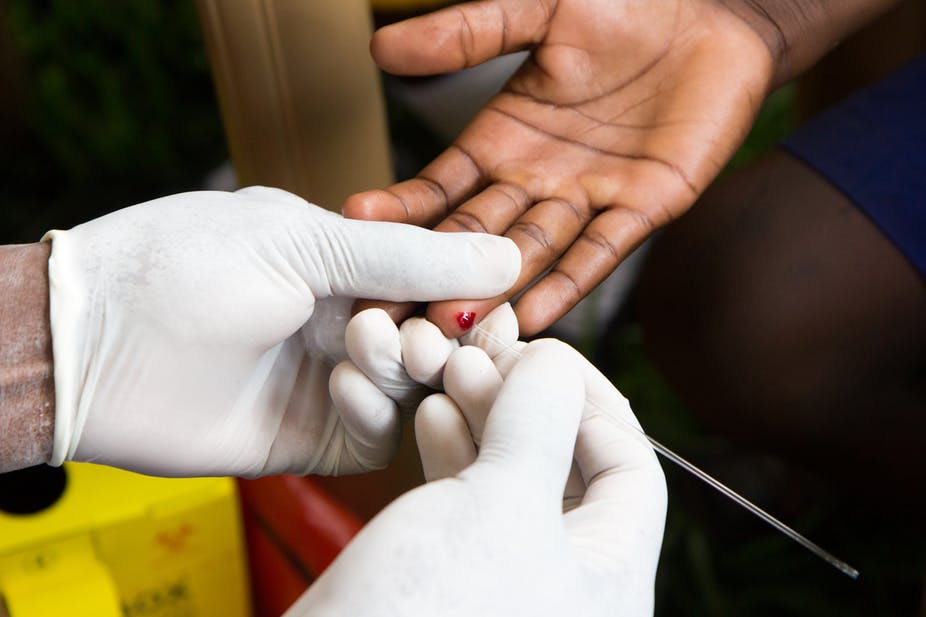
Bulawayo is nearing HIV epidemic control, but health officials warn that progress is at risk as men continue to test positive at higher rates than women while remaining less likely to come forward for screening, according to the HIV and AIDS Response in 2025 report.
As a result, health experts say there is an urgent need for stronger outreach and support programmes aimed specifically at men to close this dangerous gap.
According to the 2025 HIV and AIDS programme update presented by National AIDS Council (NAC) Programmes Officer Douglas Moyo, Bulawayo has largely met the global UNAIDS 95-95-95 targets, an important milestone in the fight to end HIV and AIDS.
“Our programme data is showing that 95% of people living with HIV know their status, 98% of those diagnosed are on antiretroviral therapy (ART), and 96% are virally suppressed,” said Moyo.
On this topic
“The province is close to achieving epidemic control. It means we are in progress.”
As of the end of 2025, a total of 79 746 people were on ART in Bulawayo, most of them on first-line treatment.
HIV incidence has also declined from 13.2% in 2020 to 10.7% among those aged 15 to 49, aligning closely with national HIV estimates.
However, beneath these gains lies a persistent gender imbalance that health officials said could undermine progress.
Data shows that men have a higher HIV positivity rate of 5.4% compared to 3.4% among women. Yet women accounted for 73% of all HIV tests conducted in Bulawayo, highlighting a significant gap in male participation.
“Men show higher testing yields but lower testing coverage,” Moyo said.
“This is a cause for concern because it means many men are not accessing services, yet those who do are more likely to test positive.”
The disparity becomes even more pronounced in older age groups. Among adults aged 35 to 54, men recorded HIV positivity rates ranging between nine percent and 12%, among the highest across all demographics.
Health experts say this suggests that many men are only seeking testing when they are already at advanced stages of infection.
While men lag behind in accessing services, women continue to carry a disproportionate burden of HIV.
Current estimates show HIV prevalence among women at 13.6%, nearly double that of men at 7.8%.
The burden is highest among women aged 30 to 39, where prevalence peaks between 26% and 28%.
Among young people aged 20 to 24, 437 women tested HIV positive compared to just 82 men. Similarly, sexually transmitted infection (STI) positivity rates were higher among young women at five percent compared to two percent in males.
“This data is showing us where the burden is. But it also raises a key question, are men not infected at similar rates, or are they simply not coming forward to test?” said Moyo
Bulawayo’s Prevention of Mother-to-Child Transmission (PMTCT) programme has achieved near-universal testing coverage, with 15 075 out of 15 160 pregnant women tested for HIV.
However, officials said gaps remain, with HIV positivity rates highest at six percent during labour and delivery, compared to three percent during antenatal care and four percent postnatally.
“This underscores the need for repeat testing throughout pregnancy,” Moyo said, adding that male involvement in PMTCT remains critically low.
As to why men are staying away from testing or clinical services, health officials and community leaders point to a mix of social, economic and behavioural factors behind men’s low participation in HIV services.
Bulawayo Provincial Medical Director, Dr Maphios Siamuchembu, said many men prioritise work over health.
“Men do test, but in most instances they are breadwinners, so they would benefit more from workplace-based programmes,” he said in an interview with CITE.
“Socialisation also plays a role, men are raised to be strong and may avoid seeking help.”
Dr Siamuchembu suggested the health sector may need to focus on offering practical benefits to men.
“These benefits may include offering quick or private testing, or having one visit with a full check up, or say no queues for men, perhaps that will pull more men to clinical services,” he said.
Bulawayo Deputy Mayor, Edwin Ndlovu, added that fear and stress also deter men from testing.
“By their nature, men do not want anything that stresses them. Knowing your health status can be stressful, especially if the result is not good,” he said.
“That may also explain why more men die from conditions like hypertension because they walk around with undetected illnesses.”
The deputy mayor said consistent education and lobby might assist to push men to access health services.
“We must also reduce stigma through normalisation and frame HIV services as routine such that it is as part of a regular health check,” Ndlovu said.
Community perspectives echoed similar sentiments, with Giyani Moyo, a community elder in Old Lobengula, saying health messaging often fails to resonate with men.
“Many men associate clinics with sickness or weakness and men don’t want to hear that,” he said.
“The message then has to be reframed suggesting that testing for HIV and other diseases should be about strength, control and responsibility because men like to be in control.”
Moyo added that messaging around HIV needs to be inclusive to encourage men with their families to take part.
“Men are more likely to engage when they see themselves reflected, for example adverts from other men accessing services,” he suggested
In response to the 2025 annual report data, NAC says the next Zimbabwe National AIDS Strategic Plan (ZNASP 5), which will run from 2026 to 2030, will prioritise men alongside adolescent girls and young women.
“We are moving towards precision programming,” said NAC Bulawayo Provincial Manager Sinatra Nyathi.
“We want to focus on populations at highest risk, and men are clearly lagging behind.”
When finalised, ZNASP 5 will be launched by President Emmerson Mnangagwa.
Nyathi said ending HIV in Bulawayo and the whole country will require not just strong programmes but stronger male participation.
“Men access services less frequently and often present late. We need to rethink service delivery, bring testing closer to them, make it faster, more private and more relevant to their needs,” she said, noting that barriers and weak linkages to care after outreach testing must be addressed.
“This is why as NAC we are thinking of intensified male-focused outreach, including workplace testing, weekend services and integrated health checks that combine HIV screening with other conditions such as hypertension and diabetes.”
Support CITE’s fearless, independent journalism. Your donation helps us amplify community voices, fight misinformation, and hold power to account. Help keep the truth alive. Donate today






Leave a Reply