

The Health Service Commission (HSC) has been urged to prioritise the retention of critical health professionals through sustainable remuneration, improved working conditions and targeted incentives amid concerns that non-competitive salaries are contributing to the continued migration of skilled workers from Zimbabwe’s health sector.
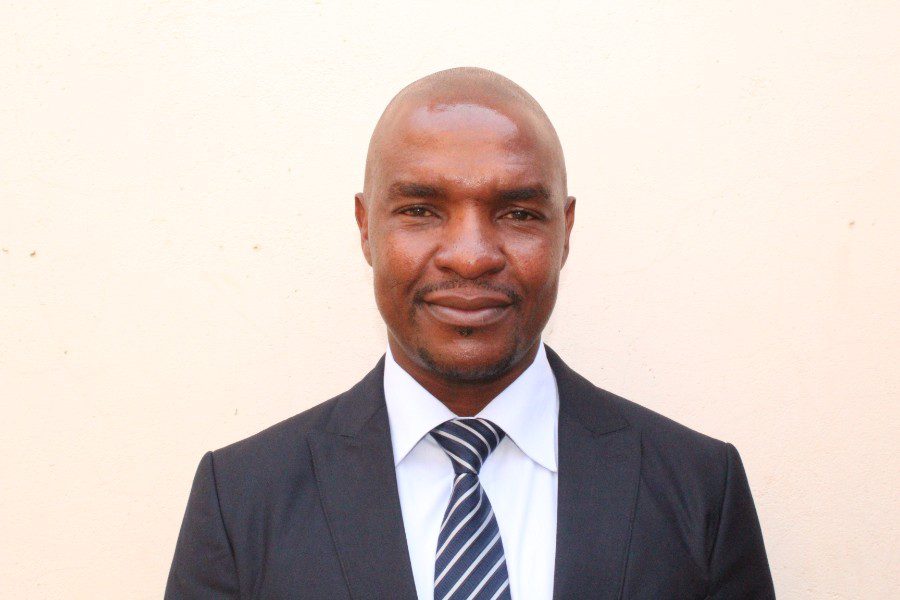
Parliamentary Portfolio Committee on Health chairperson Discent Collins Bajila said the Commission’s ability to retain doctors, nurses, pharmacists, laboratory scientists and other healthcare professionals would be central to achieving Universal Health Coverage (UHC) by 2030.
Addressing the Health Service Commission during a strategic review and performance planning workshop recently, Bajila said the institution’s success should be measured by improvements in healthcare access and quality rather than administrative performance alone.
He warned Zimbabwe could not achieve equitable healthcare delivery while professionals continued migrating in search of better remuneration and working conditions, or remained concentrated in major urban centres.
On this topic
“Hospitals cannot provide quality services without adequate doctors, nurses, pharmacists, laboratory scientists and allied health professionals,” he said.
His remarks come as the Commission reviews implementation of its 2026–2030 Strategic Plan and prepares its 2027 Annual Operational Plan, expected to outline interventions for addressing persistent human resource challenges in the health sector.
Bajila welcomed the strategic plan’s recognition of health worker migration, staff shortages and inequitable distribution of professionals, but called for more concrete measures to make sure retention commitments translate into improved conditions for health workers.
The plan proposes a critical skills retention scheme targeting 5 000 health workers, with an average monthly payment of US$120, alongside efforts to improve remuneration packages and introduce non-monetary incentives.
However, Bajila questioned whether the proposed incentives would be sufficient to address the financial pressures driving professionals out of the country.
The strategic plan references an estimated transfer wage of US$895 from the 2022 Health Labour Market Analysis, which Bajila said should be reviewed to establish whether it remains relevant to prevailing economic conditions and the cost of living.
He urged the HSC to clarify whether the estimated transfer wage had been attained or updated, as well as the criteria for selecting the 5 000 beneficiaries of the proposed retention scheme.
He also raised concerns about possible disparities among health professionals performing comparable work if eligibility for retention incentives was not guided by transparent criteria.
“The Commission proposed implementing a transfer wage framework, increasing remuneration packages, and introducing non-monetary incentives. It also proposes a critical skills retention scheme targeting 5 000 health workers, with an average payment of US$120 per month,” he said.
“My recommendation is that the 2027 strategy should provide a transparent and sustainable remuneration framework.”
Bajila said the framework should recognise professional qualifications, responsibilities, experience and working conditions, while ensuring that improved remuneration was supported by predictable public financing.
He cautioned against relying excessively on temporary donor-funded allowances to retain essential personnel, arguing the government should progressively finance critical employment obligations through sustainable domestic resources.
Apart from salaries, Bajila said HSC needed to address working conditions, occupational health and safety and labour rights, warning health professionals should not be treated merely as human resources to be deployed, calling for measurable occupational health and safety targets, including workplace risk assessments, access to personal protective equipment, occupational injury reporting and psychosocial support for workers exposed to excessive workloads, workplace violence and other occupational hazards.
He also urged the Commission to strengthen engagement with organised labour, arguing effectiveness of social dialogue should be assessed through the implementation of agreed resolutions and the time taken to resolve employee grievances, rather than simply counting meetings held.
“A social dialogue meeting that produces no tangible outcome cannot be regarded as a complete success,” he said.
The parliamentary committee chairperson further called for a clear implementation timeline to align maternity leave provisions in the Health Service Regulations with Zimbabwe’s Constitution, alongside stronger measures to promote gender equality and protect employees against workplace harassment.
Bajila said the retention of health professionals should also be linked to efforts to address geographical inequalities in the distribution of staff, particularly in rural and underserved communities.
The strategic plan targets an increase in the proportion of health workers serving in rural areas from 23.5 percent to 32 percent by 2030.
While welcoming the target, Bajila cautioned national averages could conceal significant staffing disparities between provinces and districts.
He proposed introducing a provincial and district-level health workforce equity index that measures staffing against population size, facility workload and disease burden.
He also recommended incentives such as accommodation, transport, hardship allowances, professional development opportunities and access to essential equipment to encourage health professionals to remain in underserved areas.
The Commission’s strategic plan also proposes creating approximately 26 716 additional Ministry of Health and Child Care posts over five years and increasing annual health professionals’ training output to 7 000.
However, Bajila warned creating positions would not automatically translate into improved service delivery if the posts remained unfunded or vacant.
“A post that remains unfunded or vacant does not improve healthcare delivery,” he said.
He called for the Commission to report on approved, funded, advertised and filled positions, as well as the actual deployment of health professionals by province, district and health facility.
Among Bajila’s other recommendations for the 2027 operational plan were prioritising staffing at primary healthcare facilities, developing a framework for supporting Village Health Workers, establishing an integrated health workforce information system and publishing annual performance reports covering recruitment, vacancies, deployment, attrition and remuneration.
He said workforce expansion and retention commitments should be linked to measurable improvements in service availability, quality of care, patient experience and progress towards Universal Health Coverage.
“We cannot demand excellence from health professionals while ignoring their working conditions. We cannot expect retention when remuneration is inadequate, or equitable healthcare when rural deployment is not supported by appropriate incentives and infrastructure,” said Bajila.







Leave a Reply