
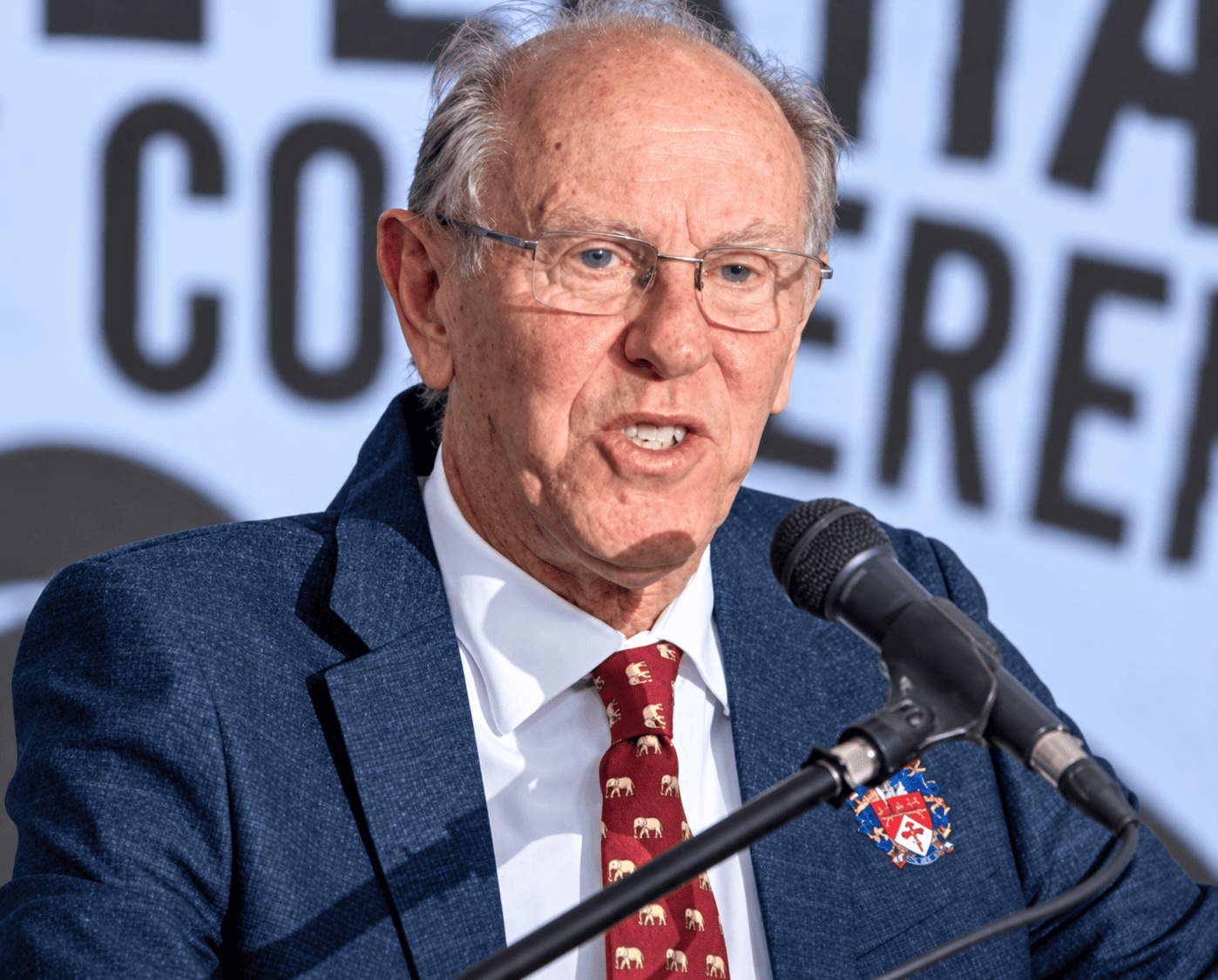
Bulawayo Mayor David Coltart has urged the city council to prioritise water infrastructure projects, warning that climate change and declining rainfall could worsen the city’s long-term water security challenges.
Coltart said rising temperatures and reduced rainfall associated with El Niño made it imperative for the local authority to strengthen water planning, protect green spaces and promote the planting of indigenous trees.
He was speaking during the 341st Full Council Meeting at the council chambers in Bulawayo on Wednesday.
The mayor said urban planners needed to consider climate change projections when making development decisions.
On this topic
He said the city should also ensure that water infrastructure remained a priority despite competing demands on council.
“As a council we must not lose sight of what is our biggest challenge as a city, I believe, a growing challenge for us, our children and our grandchildren, is water,” Coltart said.
“Are we focused on water? Are we being distracted by other issues? Are we planning adequately for the provision of water? Are we using our water effectively?”
He acknowledged that he had repeatedly raised concerns about water security but said continued pressure was necessary to ensure the issue received attention.
Coltart likened his role, and that of councillors, to that of a persistent widow in a biblical story who repeatedly approached a king until he listened to her plea.
He identified three major infrastructure projects that he said required urgent attention: upgrading the Ncema water supply system, constructing Glass Block Dam and developing the Gwayi-Shangani pipeline.
On Ncema, he said the project would involve upgrading pump stations, rehabilitating the pipeline, improving Tuli Reservoir and upgrading the pipeline connecting Ncema to the reservoir.
Coltart said the project required US$17.5 million and called for it to be prioritised.
He also expressed concern over delays in signing a construction contract for Glass Block Dam, despite efforts to secure international support for the project.
Coltart said he and the town clerk had travelled to Morocco two years ago, where they secured indications of international support amounting to US$93 million.
However, he said the contract had yet to be signed, nearly two years later.
“It is an indictment against us as the council. It is an indictment against us as a nation, and we all need to work together to get that contract signed so that construction on this dam can commence,” he said.
The mayor also highlighted the Gwayi-Shangani Dam project, saying a 252km pipeline would need to be constructed to transport water to Bulawayo before the dam could significantly improve the city’s supplies.
The pipeline would have to pump water uphill by about 500 metres, presenting a major engineering challenge.
Coltart said the Zimbabwe National Water Authority (ZINWA) had indicated in a July report that the pipeline would cost US$450 million.
He called on the government to clarify when funding would be released and when construction was expected to begin, saying the information was critical for the council’s long-term water supply planning.
“We need to know when that money is going to be disbursed. We need to know when that pipeline is going to be constructed, as it will inform our planning,” he said.





Leave a Reply