
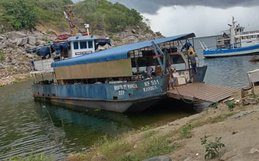
The bulk of the immediate financial and fuel assistance provided after the Kariba ferry disaster came from the Zambezi River Authority , while longer-term support promised by the Zimbabwean government to victims and their families remains largely outstanding, Kariba Mayor Ralph Maoneyi has said.
The Zambezi River Authority is responsible for the environmental management of the Zambezi River which flows between Zambia and Zimbabwe as well as all infrastructure developments on that stretch of water. This includes the Kariba Dam.
Two months after the Mbuya Nehanda ferry capsized on Lake Kariba, killing 97 people, Maoneyi said affected families were still waiting for structured psychosocial support, assistance for children and clarity on compensation, while questions over the causes of the disaster and accountability remain unresolved.
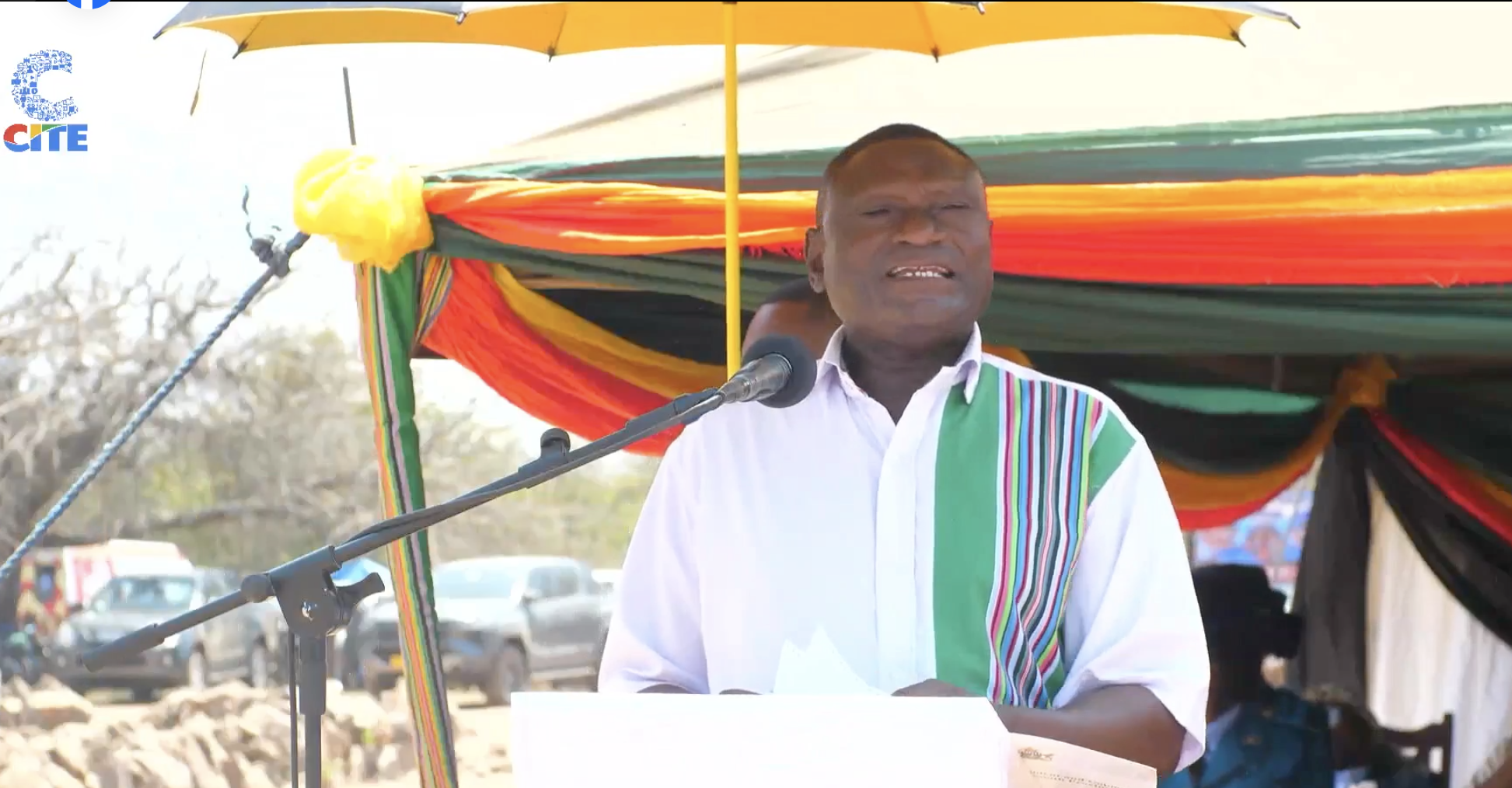
Speaking on CITE’s This Morning on Asakhe programme on Monday, Maoneyi said the initial emergency response had provided some immediate assistance but had not been followed by a coordinated long-term recovery programme.
On this topic
“There were a number of promises in terms of money that would be made available for people, and what would then be done during the course of the period of recovery, including a mechanism of psychosocial support. Unfortunately, a number of those factors are still a bit pending,” said the Kariba mayor.
He said the initial financial and logistical response relied heavily on Zambezi River Authority, which manages Lake Kariba together with its Zimbabwean counterpart under a bilateral arrangement.
“The greater chunk of the first response in terms of money and fuel was availed to the situation by Zambezi River Authority,” Maoneyi said.
Maoneyi said the reported US$100 given to each victim formed part of the initial response, while private players also provided food and other assistance.
“There were a number of other private players that came through with food, with a lot of other things. And there was a centralised system of dealing with those things,” he said.
However, he said the emergency assistance had not translated into a structured recovery programme for survivors and bereaved families.
“One, we want to see an inquiry of what really took place and two, ensuring there is continuous psychosocial support properly structured,” Maoneyi said.
The mayor said the impact of the disaster extended beyond Kariba, with victims and affected families drawn from different parts of the country.
Children, he said, were particularly vulnerable because the disaster occurred shortly before schools reopened, raising concerns about those who may have lost parents or guardians.
“When the accident took place, it was just before schools had opened and there were a lot of school children that were affected,” he said.
Maoneyi questioned whether authorities had established mechanisms to identify and support children who lost parents or guardians in the disaster.
“We have not received clarity as to what happened, someone might have lost their mother who had come for fishing here, who were staying in Chitungwiza or wherever, because people were coming from all over the place,” he said.
“So the proper and actually the structured process has not yet begun, and we still hope that probably something will be implemented soon, as has been the promise.”
Beyond the support gap, Maoneyi also questioned whether the accountability process was sufficiently examining the circumstances that preceded the disaster.
He said the focus appeared to have narrowed to a small number of individuals, despite what he described as broader systemic issues within the operations surrounding the ferry.
“Whilst the list of those now being blamed has been streamlined and reduced to a few individuals, the reality is the events leading up to the accident show there was a lot happening within the system beyond just the boat captain and perhaps the acting harbour manager, who has now become the leading defendant in this case,” he said.
Maoneyi said accountability should also result in compensation for bereaved families and others who suffered losses.
“The greatest factor is we need to compensate for the loss of life and all the losses that have also just then taken place three or two months after the disaster took place,” he said.
Meanwhile, ZAPU Secretary General Mthulisi Hanana said the disaster had exposed the need for a comprehensive disaster management framework.
Hanana said Zimbabwe’s disaster response system remained largely governed by the Civil Protection Act of 1989, while the proposed Disaster Risk Management and Civil Protection Bill had not received sufficient public attention.
“We should have a plan and the reason why we have that problem is because we still have the Civil Protection Act of 1989,” Hanana said.
“I’m not sure at what stage it is now in Parliament. It is called the Disaster Risk Management (DRM) and Civil Protection Bill.”
Hanana criticised what he described as limited public awareness of the proposed legislation, saying it had not received the same level of publicity as other government legislative initiatives.
“There has not been much publicity given to it and by much publicity I am talking about comparing this bill to this Constitutional Amendment Bill, where the government was in every government event talking about it. It was highly publicised in the public hearings,” he said.
“No one is talking about the DRM Bill. Even political parties, we are to blame. I don’t remember in our party sitting our people down telling them, this bill is out there and encouraging them to go to public hearings.”
He said the lack of attention to disaster management legislation raised questions about government priorities.
“The government shows their priority is holding power and not providing services for the people,” Hanana said.




Leave a Reply