
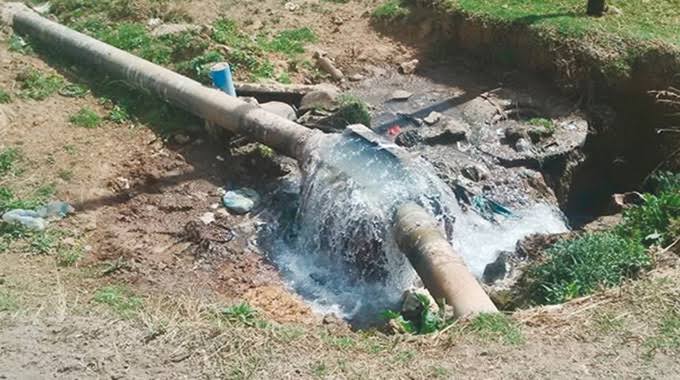
Zimbabwe is discharging an estimated 570 megalitres of raw or partially treated sewage into the environment every day, up from 399 megalitres in 2022 and 2023, amid the collapse of wastewater treatment infrastructure, the Environmental Management Agency (EMA) has said.
Only 20 of the country’s 63 sewage treatment plants serving 32 urban local authorities are currently functional, raising concerns over worsening pollution of rivers and other water bodies.
EMA Environmental Education and Publicity Manager Amkela Sidange said the increase in untreated sewage was putting growing pressure on the country’s water systems.
She was speaking on CITE’s This Morning on Asakhe programme on Wednesday during a discussion on the impact of the sewage crisis on water quality and the environment.
On this topic
Sidange said EMA had established the daily sewage discharge figures by assessing the capacity and performance of treatment plants, comparing the data with information provided by local authorities and monitoring sewer networks.
She said the agency also traced sewage discharges beyond treatment plants by monitoring major sewer trunk lines and the surrounding catchments.
“We don’t just look at what is happening at the plant, but we also use the whole catchment approach. We go upstream to look at what is happening along the main sewer trunk lines,” Sidange said.
The deterioration of wastewater treatment systems is reflected in the quality of rivers flowing through urban areas, she said.
EMA conducts monthly water quality monitoring at about 384 sites across the country, with samples analysed at its laboratory, which is accredited to the ISO 17025 international standard.
Sidange said monitoring had found several water quality indicators outside acceptable limits, particularly in rivers passing through urban areas.
These include low dissolved oxygen, high biological oxygen demand, elevated phosphate and nitrate levels, and high turbidity.
Low dissolved oxygen and high biological oxygen demand indicate increased demand for oxygen in the water, while elevated nitrate levels can point to an excessive sewage load, she said.
“The difference is quite stark if you compare the rural rivers with the urban rivers,” Sidange said.
Since around 2013, EMA has recorded pollution levels outside specified limits in the 12 urban rivers it monitors.
Among the water bodies where the agency has recorded concerning parameters are the Manyame and Phekiwe rivers in Bulawayo, as well as Umguza Dam.
Sidange also linked the 2024 algal bloom in Lake Chivero to excessive nutrient loading from sewage discharged into the lake.
She said the algal bloom was an indication of the extent of pollution affecting the water body.
“We cannot run away from some of those things for as long as we have systems that are not fully operational,” she said.
Sidange said EMA had taken enforcement action against local authorities and other polluters, including issuing tickets and orders, opening criminal dockets and taking some councils to court.
She said local authorities including Kariba, Chinhoyi, Norton, Harare, Gwanda and Beitbridge had previously faced legal action over environmental violations.
Cases involving the City of Bulawayo and City of Harare remain pending, she said.
However, Sidange said enforcement alone would not resolve the sewage crisis, which required greater accountability from all institutions involved in wastewater management.
“It’s not everything that is in the environment that starts with EMA and ends with EMA. It is a shared responsibility,” she said.
She said EMA also contributed to policymaking by providing technical recommendations to government and Parliament, including through evidence submitted to the Harare Commission of Inquiry.
Sidange said EMA was pushing for stronger legislation to hold individuals accountable for environmental damage, including where corporate structures were used to shield those responsible.
She said proposed amendments to the Environmental Management Act had passed Cabinet and were awaiting public consultation through Parliament.
One of the proposed changes is the “piercing of the corporate veil”, which would allow individuals behind companies to be held personally accountable for environmental offences.
“With the piercing of the corporate veil, we see strength in the sense that there will be people who will be held accountable,” Sidange said.
She said the proposed changes were necessary because existing laws had not kept pace with the environmental pressures facing the country.
However, Sidange said the effectiveness of environmental laws ultimately depended on commitment from all actors responsible for managing the environment.
“We need all hands on the deck. If we do it that way, we’ll be able to ensure that this pollution is stopped, or that we prevent the pollution together,” she said.






Leave a Reply