

Opposition legislator and Chief Whip Charles Moyo has criticised Local Government and Public Works Minister Daniel Garwe over his directive for Bulawayo City Council to engage Harare-based Geo Pomona Waste Management to address the city’s waste crisis.
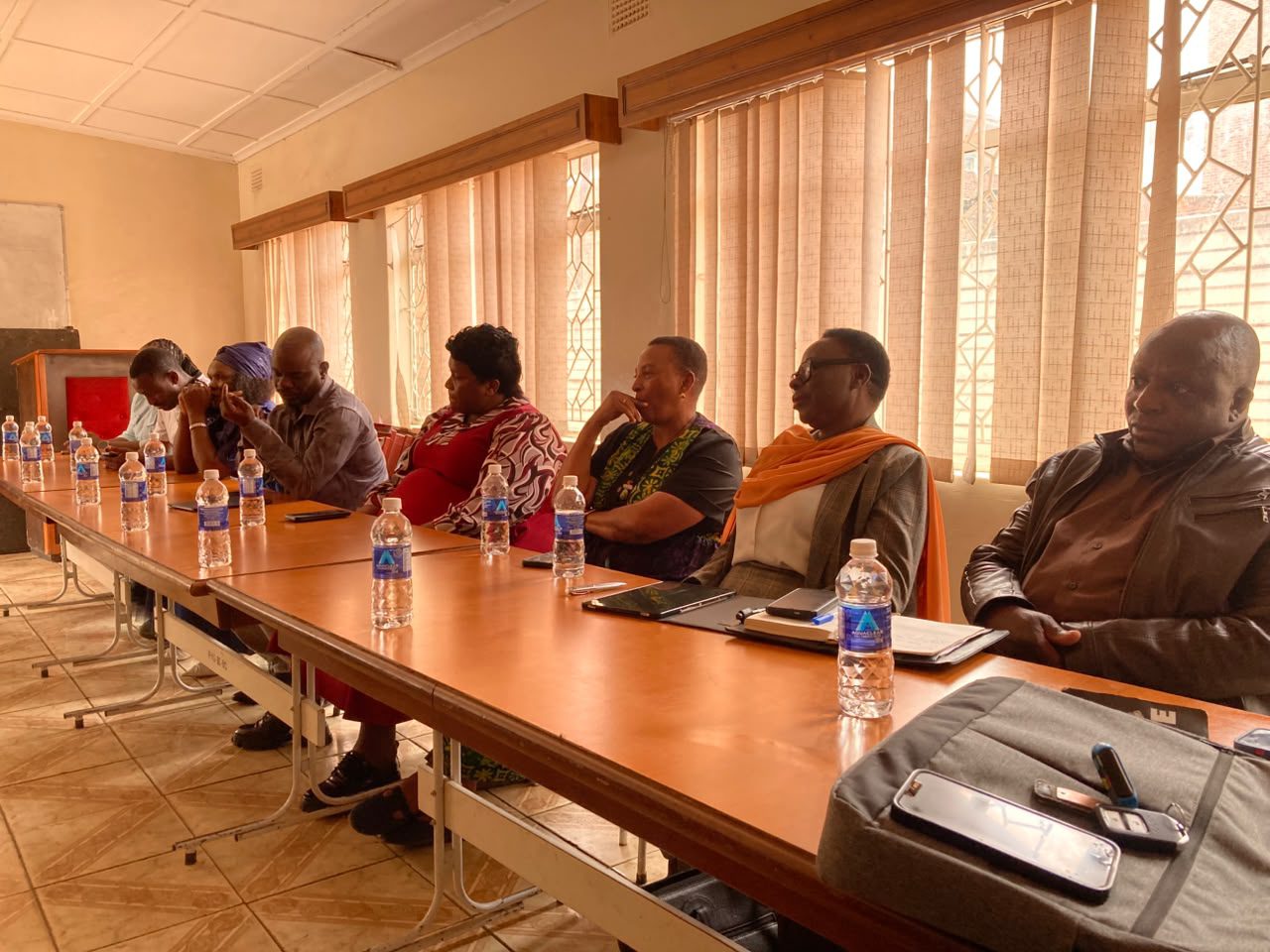
Moyo made the remarks during a stakeholders’ meeting hosted by the Bulawayo Progressive Residents Association (BPRA), attended by civil society representatives, MPs, senators and residents’ representatives.
Garwe recently gave the Bulawayo City Council a one-week ultimatum to sign an agreement with Geo Pomona as the city struggles to manage waste, particularly at Richmond Landfill, popularly known as Ngozi Mine, where recurring fires have resulted in persistent smoke affecting surrounding communities.
“It is unfortunate that the minister wants to handle this issue in a mafia manner. We have no problem with the central government making recommendations for companies to engage to assist with service delivery, but what we do not appreciate is for him to come with the particular company and making such an order without giving the local authority the opportunity to do due diligence,” Moyo said.
On this topic
“There are laid down processes that we are all aware of that must be followed when such calls for tenders are made. But when the government becomes the one to make orders that speak against accountability and following due processes, it becomes a problem.”
Moyo said the Government had previously sought to impose the Zimbabwe National Water Authority (ZINWA) on local authorities, but argued that the circumstances were different.
“We have had situations before where the government has made such declarations, such as was the issue when it (government) tried to impose ZINWA, among other instances, but the major difference was that none of the then sitting ministers brought the company representatives with them. We cannot run things like that.”
Participants at the meeting said Bulawayo urgently needed a solution to its waste crisis but argued that emergency measures to stabilise Ngozi Mine should be separated from any long-term concession.
They proposed a two-track approach, with immediate measures including fire suppression, regular covering of waste, leachate control, air-quality monitoring and water testing in communities potentially affected by pollution.
“Those emergency interventions should not wait for a long-term concession or procurement process,” participants said.
Stakeholders also called for an independent legal opinion on the proposed agreement, including the implications of devolution, government directives and procurement requirements.
They said any long-term arrangement should be subjected to feasibility studies, market testing and competitive procurement.
“We need to know what we are committing the city to. Financial models, tariffs, fees, guarantees and other long-term obligations should be publicly disclosed before any commitment is made,” the meeting heard.
Environmental concerns were also raised, with stakeholders calling for baseline information on air and water quality, waste composition, landfill fires, smoke, emissions and leachate.
“Communities such as Luveve and Cowdray Park need to know what they are being exposed to. There must be regular monitoring and public reporting of the results,” participants said.
The meeting also called for informal waste pickers to be included in future waste management and recycling systems.
“Existing waste pickers should not simply be pushed out. They should be considered and integrated into the future recycling and waste-management system,” participants said.
Participants further called for independent verification of claims around waste-to-energy technology, as well as stronger open-data mechanisms and greater transparency over refuse collection charges.
They said private-sector involvement could bring investment, infrastructure and technical expertise, but argued that these benefits should be demonstrated through a comprehensive value-for-money assessment.




Leave a Reply