

A Plumtree family has recovered human remains they believe are those of Mhlambezi Ncube, their father and grandfather, who was allegedly killed by guerrillas during Zimbabwe’s liberation war 48 years ago.
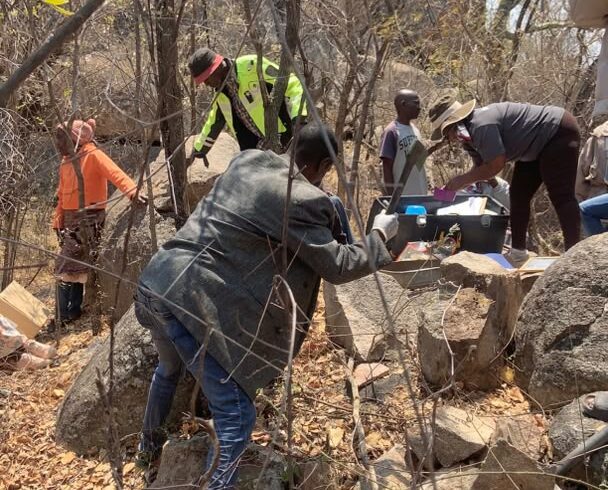
On Saturday, the family watched for nearly five hours as rocks were shifted and soil was carefully dug from a cave hidden in the hills of rural Plumtree.
Ncube was 68 when he disappeared in 1978. He had no known grave for almost half a century, leaving his family without a place to mourn him or properly lay him to rest.
Guided by witnesses who had only years later found the courage to speak about the issue, the family returned to the cave where they were told Ncube had been buried.
On this topic
The difficult search, assisted by forensic anthropologists from Ukuthula Trust, yielded more fragments of bone and pieces of clothing the family believes belonged to Ncube.
The discovery offered the Ncube family the possibility of finally bringing their father and grandfather home after decades without a grave to mourn at.
Ncube was from Tjankwa, now known as Tshankwa Village in Ward 1, Plumtree.
According to his family and witnesses interviewed by CITE, he left home for a local drinking place in 1978 and “never returned.”
The family later heard he was allegedly killed by guerrillas who accused him of being a “sellout” because he worked on a white-owned farm.
His son, Cousing Ncube, 66, said his father was a tall man who had worked for a white farmer and was viewed with suspicion during the war.
“My father used to work for whites. He was seen as a sellout and couldn’t see eye to eye with the guerrillas,” he said.
The family understood Ncube had been confronted while drinking and told he would not return to work for the white farmer.
What happened after his alleged killing remained unclear for years.
According to accounts later given to the family, his body was left exposed and was subsequently scavenged by animals or dogs.
People eventually collected what remained and buried it beneath a cave while those who knew where he had been taken were afraid to speak.
The country was still at war and the fear surrounding violence meant the crucial information remained buried for years.
It was only much later, as the Ncube family continued searching for answers, that witnesses began revealing what they knew.
Cousing said the family had previously travelled to the area after they were directed to the cave.
During their first search, they found objects they believed belonged to his father.
“The first time we went to search for my father’s remains, we saw a shirt. We continued digging and saw a shoe, a belt and a rib. We suspected there could be more under the cave stone,” he said.
The family showed their findings to their chief who advised them to report the matter to Plumtree police.
Police questioned witnesses, who confirmed the cave was the place where Ncube was believed to have been buried.
That confirmation encouraged the family to continue searching.
Cousing’s wife, Josephine Ncube, said it was the younger generation who pushed the family not to abandon the search.
“When we first heard that, the children wanted to go and see because this issue troubled them, we went initially but had no luck,” she said.
“But the children wanted to go again and check the place. My son in South Africa actually came down and pushed us to continue looking.”
This time, one of the witnesses accompanied the family and pointed out the location.
“He was in a cave, buried under the rocks. We started digging,” Josephine said.
The search soon produced more clues.
“Boys started digging. They came up with a rib. We continued and found a shirt sleeve. We pulled it out and found a shirt, socks, threads and a shoe,” she said.
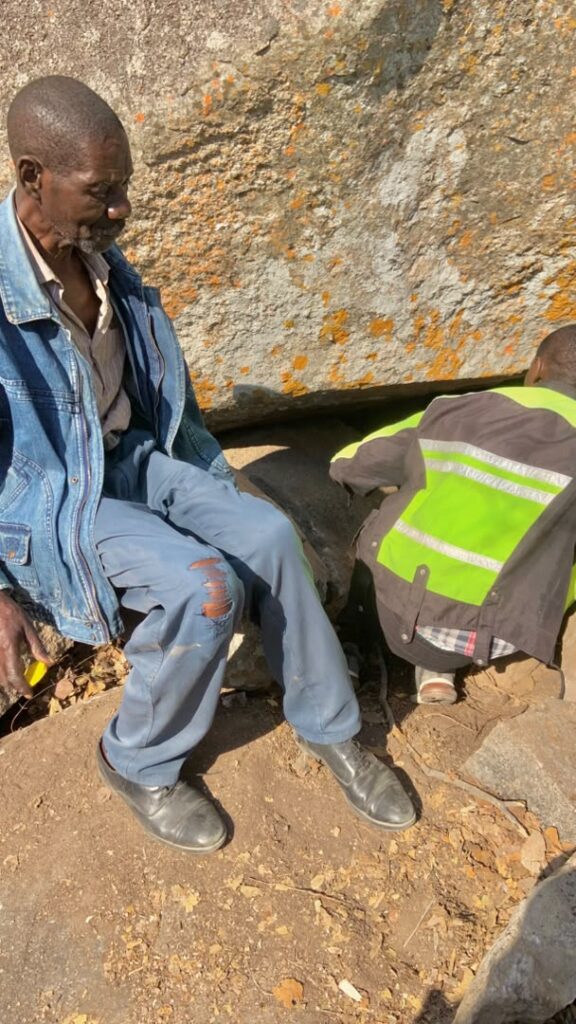
To continue with Saturday’s search and subsequent excavation the cave where they found the recovered material was deep in a hilly rural area, and reaching it was itself an arduous task.
Family members and those assisting with the search had to climb over rocks to reach the site.
Some relatives remained at the Ncube homestead waiting anxiously for news while others joined the excavation.
At the cave, the search was conducted slowly and carefully as rocks and earth were removed.
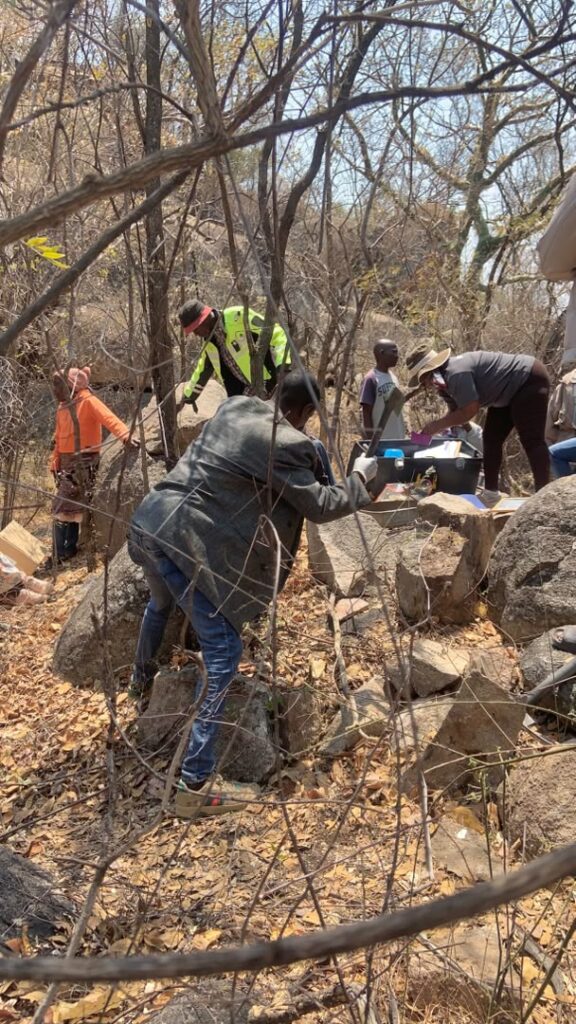
For the family, every discovery carried emotional weight as it was the first tangible opportunity in 48 years to establish a physical resting place for Mhlambezi, whose disappearance had left his family unsettled.
Ukuthula Trust director and forensic anthropologist, Shari Eppel, who led the search, said the organisation assists families seeking to recover human remains so their relatives can be given a proper burial.
“We help relatives get their bones back in order to have a decent burial,” she said.
Eppel said the right to mourn and bury a loved one should not depend on how long ago the person died.
“The right to mourn and the right to burial, relatives in the right place, are basically rights which every family should be able to do regardless of when or how their person died,” she said.
Eppel said the inability to properly bury a loved one could make the grieving process more difficult.
“Ending a grieving process can be very difficult if you haven’t been able to do the right thing for your dead,” she said.
She said Ukuthula Trust works with families dealing with unburied remains or remains believed to have been buried in the wrong place, provided traditional leaders and relevant authorities have been informed.

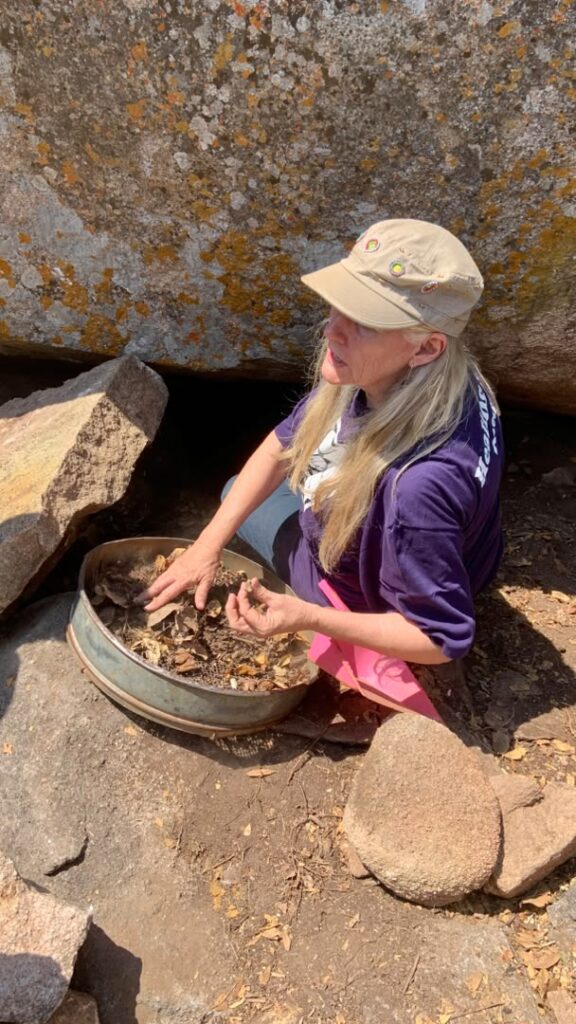
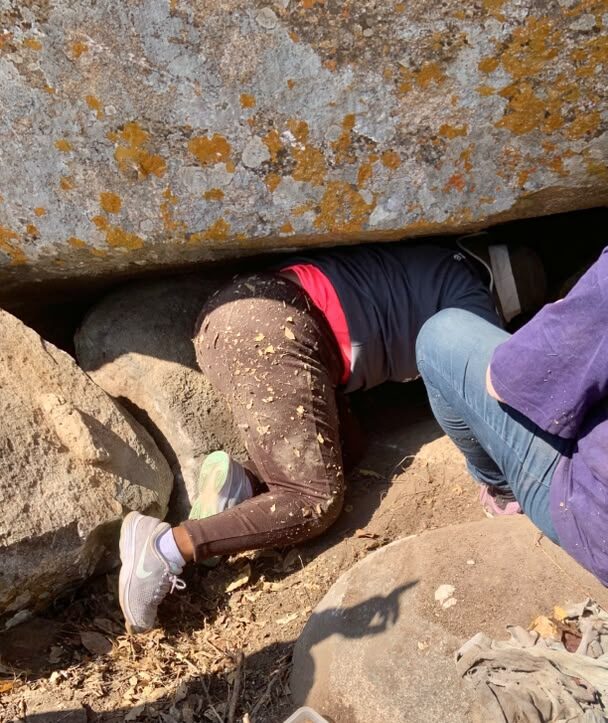
At the cave, Eppel and her assistant, Nokuthula Dube, carefully collected the recovered material, separating bone fragments from pieces of clothing and other items.
After almost five hours of excavation, the recovered bones and clothing were placed in a box and handed to the family.
The family acknowledged the recovery is also deeply connected to their cultural understanding of death and burial.
Village head, Petros Moyo, said giving Ncube a proper burial was important because of the cultural significance attached to having a known resting place.
“In our culture, someone should be buried so that their spirit can rest and not wander about,” he said.
“Many people died during the war, but if you have a resting place, it is part of our culture. The family must collect the remains, prepare for burial and conduct a proper burial.”
Moyo said the family should now make arrangements for Ncube’s burial following the recovery.
Ncube and Josephine have 12 children, some living in Botswana and South Africa and others in Zimbabwe.
For their daughter, Sehlile Ncube, 37, the family’s prolonged uncertainty has also been reflected in years of difficulties.
“We are struggling. I am sick right now but medical tests do not show anything,” she said.
“When we go for prayers, churches will tell us there is a troubled spirit that needs to rest.”
She said some family members had struggled to find work and that relationships had also failed to last.
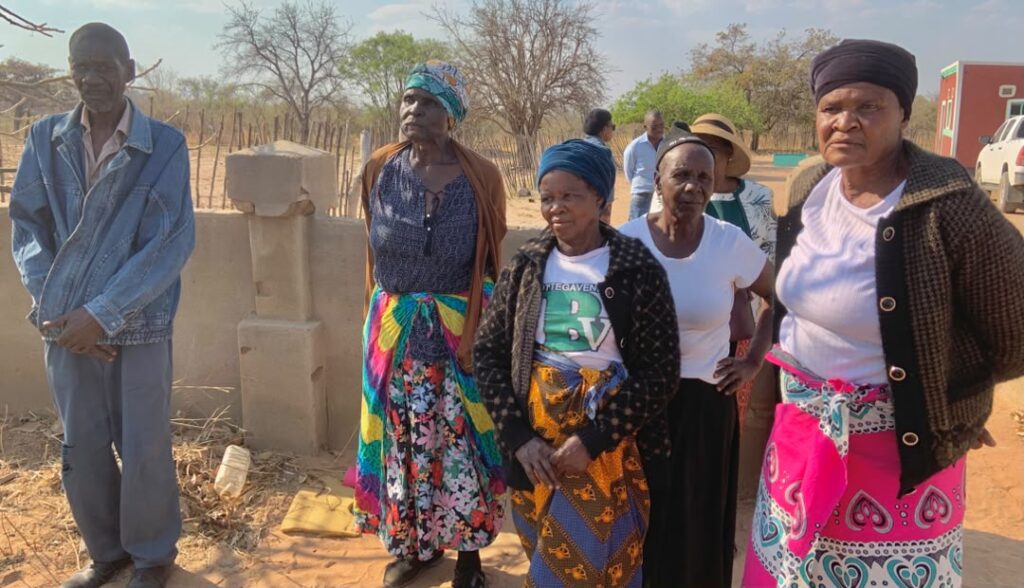

Following the excavation, the family performed traditional rites, speaking to Ncube’s spirit and asking him to return home, rest and watch over his children.
They also asked him to “open the way” for the family.

Meluleki Mhlanga, a neighbour of the Ncube family, said the silence surrounding Ncube’s death had to be understood in the context of the war.
“In 1978 I was seven years old. People were fearful during the war. People did not want to say anything at the time,” he said.
He welcomed the recovery efforts, saying they had given the family an opportunity to find closure.
“We are grateful for the work done here today, helping the family get closure,” he said.




Leave a Reply