
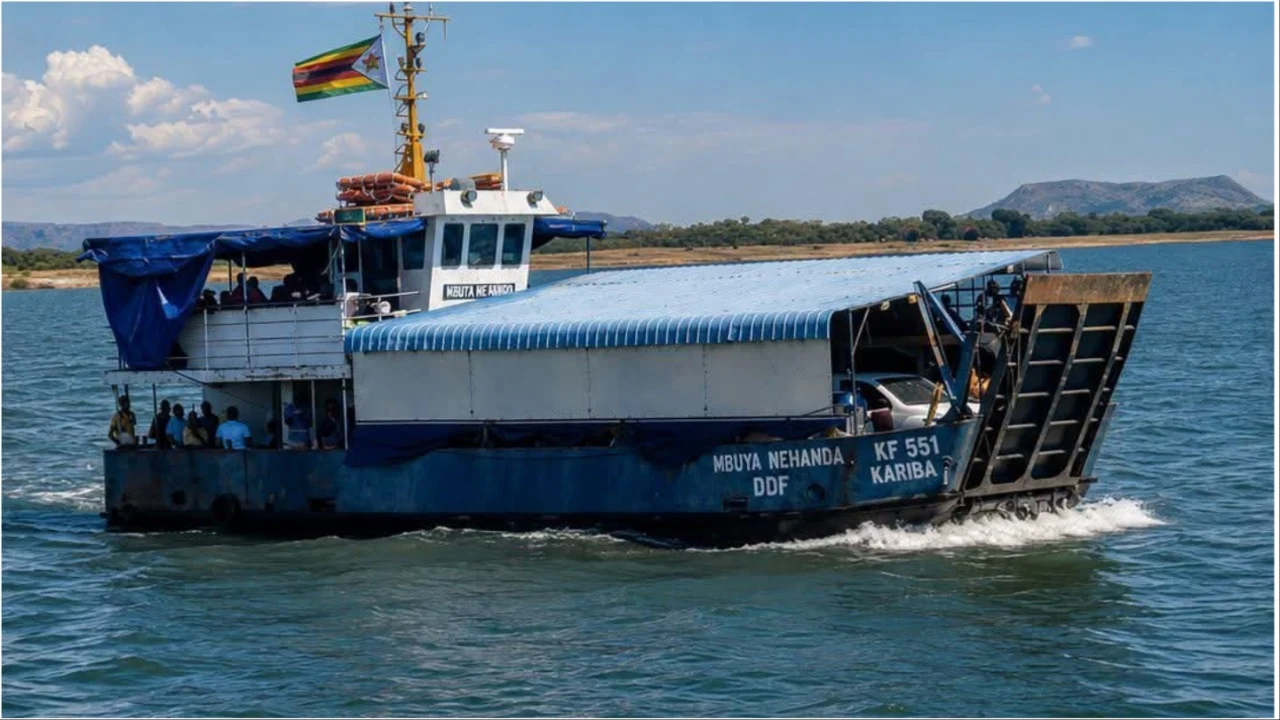
Ward 25 councillor Aleck Ndlovu has called for stronger safety standards for water transport and water-rescue training in Bulawayo following the Lake Kariba ferry disaster.
Ndlovu said the capsizing of the Mbuya Nehanda ferry on August 11, which killed 97 people, should prompt authorities to strengthen disaster prevention and preparedness.
Speaking during the latest Full Council meeting, he said water transport vessels should be properly maintained, meet safety standards and undergo regular inspections.
“There was a request made to the city because of the Kariba ferry disaster. We were so touched as a city because that was a national disaster,” Ndlovu said.
On this topic
“We realise that it is our responsibility to call upon the ministry to make sure that they invest heavily in preventing such disasters.”
Ndlovu said the disaster highlighted the need for stronger safety measures on Zimbabwe’s waterways, particularly because the country has numerous dams where people use water transport.
“We need to understand that such disasters will not only be limited to Kariba,” he said.
“Some people may argue that we are a landlocked country, there is likely to be drowning. We have dams across the city where people use aqua transportation to be taken across and back.”
He called for ferries carrying members of the public to be regularly assessed to ensure they were fit for purpose and equipped with adequate safety equipment.
“We need to ensure that these ferries that take people across are up to standard and they are observed to avert potential disaster of a similar magnitude,” Ndlovu said.
He also proposed that Bulawayo’s Fire and Ambulance Services provide swimming and water-rescue training to members of the community.
Ndlovu said the training would equip people with survival skills and encourage the use of life jackets.
“Under the Fire and Ambulance Services, can we not take a cue from that, that will not only train people on survival skills when it comes to that, which will not only serve Bulawayo but will serve the whole nation in such situations,” he said.
“This will focus on training in swimming and rescue so that people are always prepared. People need to learn how to get out of water and even to exercise caution that life jackets are always available.”
He said the city could eventually extend the programme to other parts of the country.
“As a local authority we can offer this service to other areas from across the country,” Ndlovu said.
Bulawayo Mayor David Coltart supported the proposal, saying the city could use its swimming pools to provide water-safety training.
“As a city we have several pools that are still functioning properly. We could make use of these to train members of the community how to swim,” Coltart said.
“That is a very important point that you raise.”






Leave a Reply