
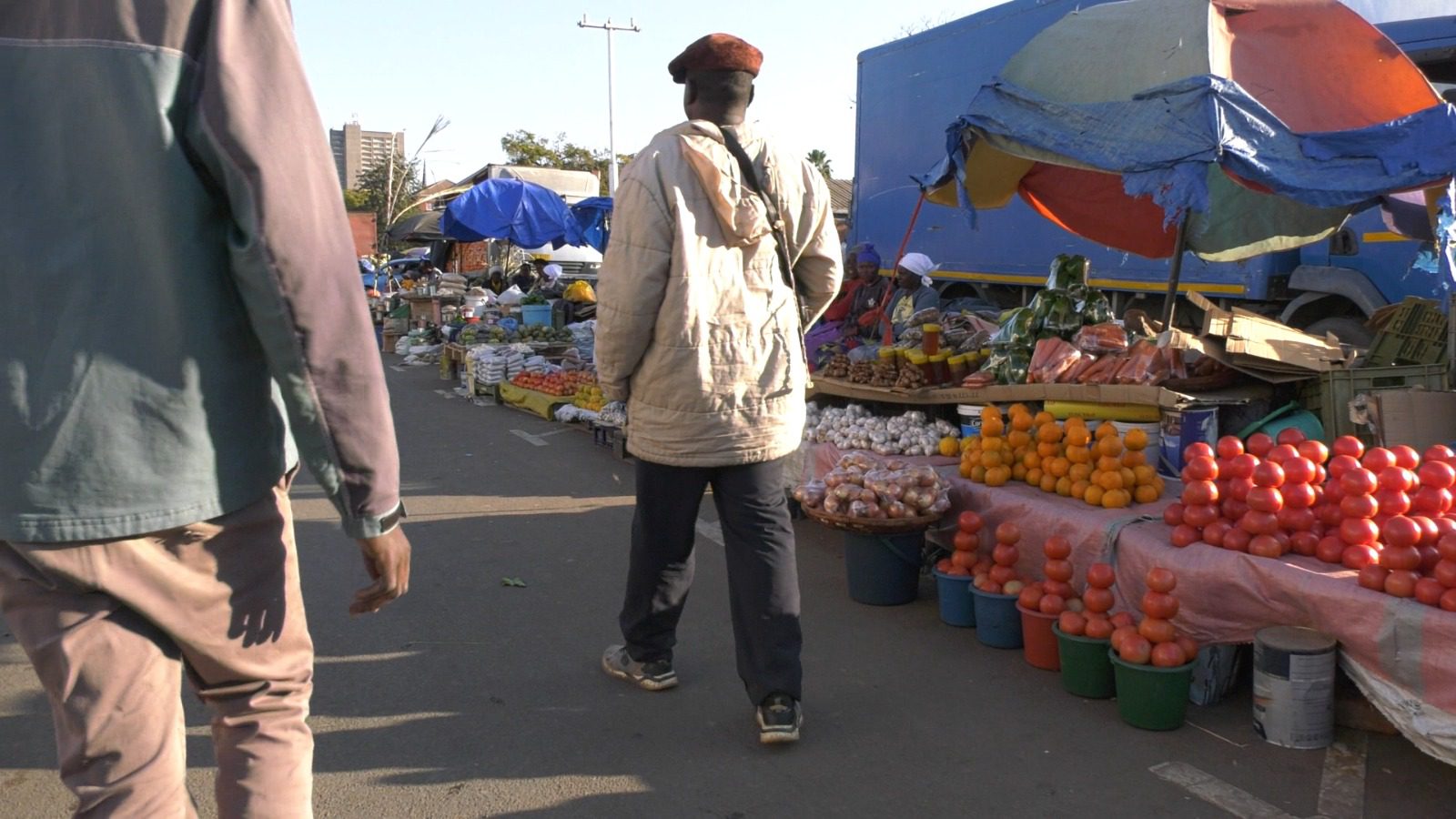
The City of Bulawayo has ordered informal traders operating from undesignated areas to vacate their trading sites, giving them a week to relocate voluntarily to council-approved markets amid growing concerns over the impact of government-led clean-up operations on vulnerable livelihoods.
The relocation exercise raises questions as to whether the designated markets can accommodate all affected traders and whether the transition will protect livelihoods while enforcing municipal regulations.
In a notice dated October 22, 2026, Bulawayo Town Clerk Christopher Dube said the directive was in line with instructions from the Ministry of Local Government and Public Works for illegal informal traders to move to designated trading sites.
The relocation period runs from October 26 to November 1, 2026 during which traders seeking accommodation at designated markets must register with the council.
On this topic
“The City of Bulawayo would like to advise members of the public, all Micro, Small, and Medium Enterprises (MSMEs) and stakeholders that all illegal informal traders operating from undesignated areas should vacate these sites forthwith,” Dube said.
Council said trading from road servitudes, parking bays and pavements was prohibited under its by-laws, while encouraging affected traders to cooperate with authorities during the relocation process.
The directive comes amid a wider government-led campaign, known as Operation Chenesa, targeting informal trading and other structures considered illegal.
The campaign has drawn criticism over the removal of vendors and the destruction of informal businesses and homes, raising fears of a repeat of the controversial 2005 Operation Murambatsvina.
The earlier operation resulted in the demolition of informal businesses and homes across Zimbabwe, leaving many people without shelter or livelihoods.
Critics have warned that the latest clean-up campaign risks addressing the visible manifestations of Zimbabwe’s economic crisis without tackling the underlying conditions that push people into informal trading, including unemployment and limited opportunities in the formal economy.
For many households across Bulawayo and the country vending provides a critical source of income in a difficult economic environment, making relocation a potentially disruptive process if suitable and affordable alternatives are not available.
Under the Bulawayo notice, verification of existing 2024 trading-bay allocations and consideration of new applications will be conducted through the Dugmore MSMEs Office.
Council said priority would be given to vulnerable groups, including child-headed and female-headed households, widows, orphans, unemployed people, elderly people, persons with disabilities and those with terminal illnesses.
Successful applicants will be required to provide police clearance and fingerprints, passport-sized photographs, a copy of their national identity document and proof of residence.
Traders handling food will also be referred to Khami Clinic for screening for communicable diseases before licensing.
Council has set annual trading licence fees at US$23 for the central business district (CBD) and US$11.50 for suburban sites, including Highlanders.
Monthly rentals will be US$11.50 for CBD sites and US$5.75 for suburban sites including Highlanders.
The fees and registration requirements will determine whether affected traders can secure alternative operating spaces within the relocation period.
“The City of Bulawayo would like to emphasise that, while it values the role played by MSMEs in supporting livelihoods, trading from undesignated places such as road servitudes, parking bays and pavements is not allowed,” said the town clerk.
“All MSMEs and stakeholders are encouraged to comply with By – Laws by moving their businesses to designated trading areas.
While council says it recognises the role of micro, small and medium enterprises in supporting livelihoods, its notice emphasises compliance with municipal by-laws and the need to move businesses away from undesignated locations.
“We urge all affected MSMEs to co-operate with the authorities during this transition period to ensure a smooth relocation process. Your understanding and compliance is greatly appreciated,” Dube said.
Traders seeking further information have been directed to the Town Planning Department’s MSMEs section at the ninth Tower Block Offices or contact 02922 75011 ext. 8027 or email tidube@citybyo.co.zw.








Leave a Reply