
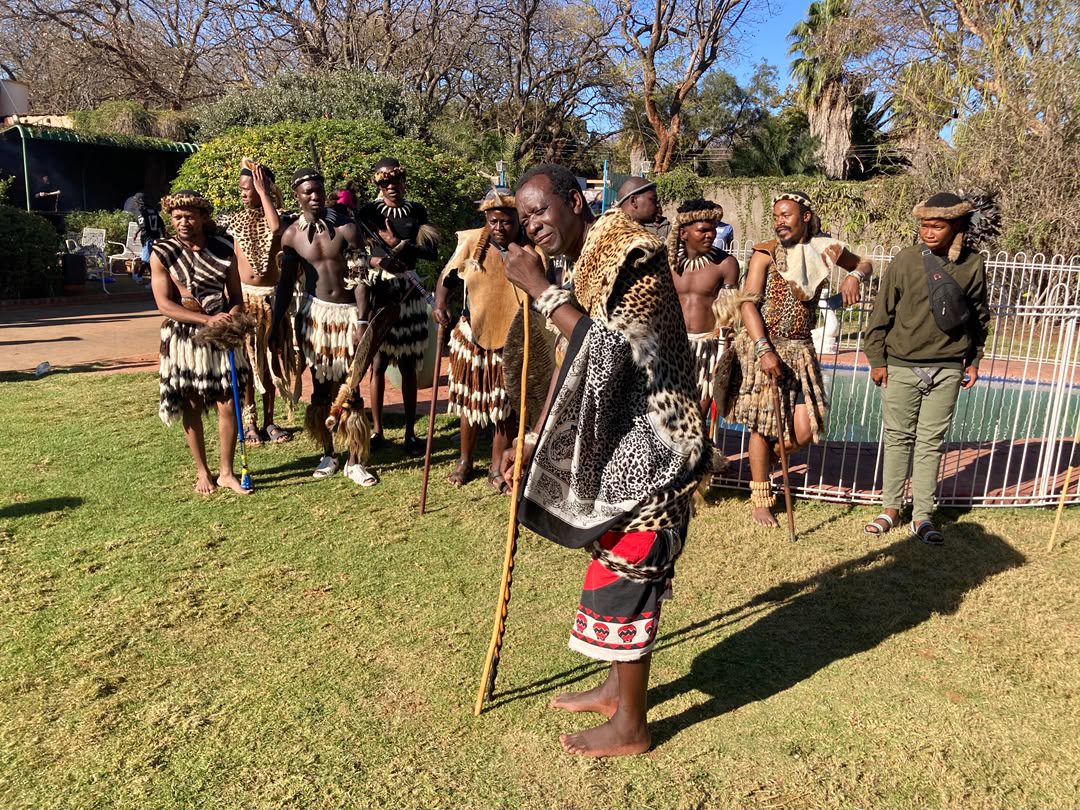
The cultural gathering at Professor Solwayo Ngwenya’s homestead has grown into one of the events in Matabeleland that communities look forward to each year, bringing families and young people together to celebrate, preserve and pass on Ndebele traditions.
Although the event started over a decade ago as a family ceremony, it is now an annual festival central to Matabeleland’s cultural revival with historians saying such gatherings are vital for preserving Ndebele heritage as communities reconnect with traditions weakened by colonialism and modernity.
Held annually during August, a traditional spiritual period, the festival brings together members of the Ngwenya family, friends and members of the wider community for a day of traditional dance, music, food and cultural observances.
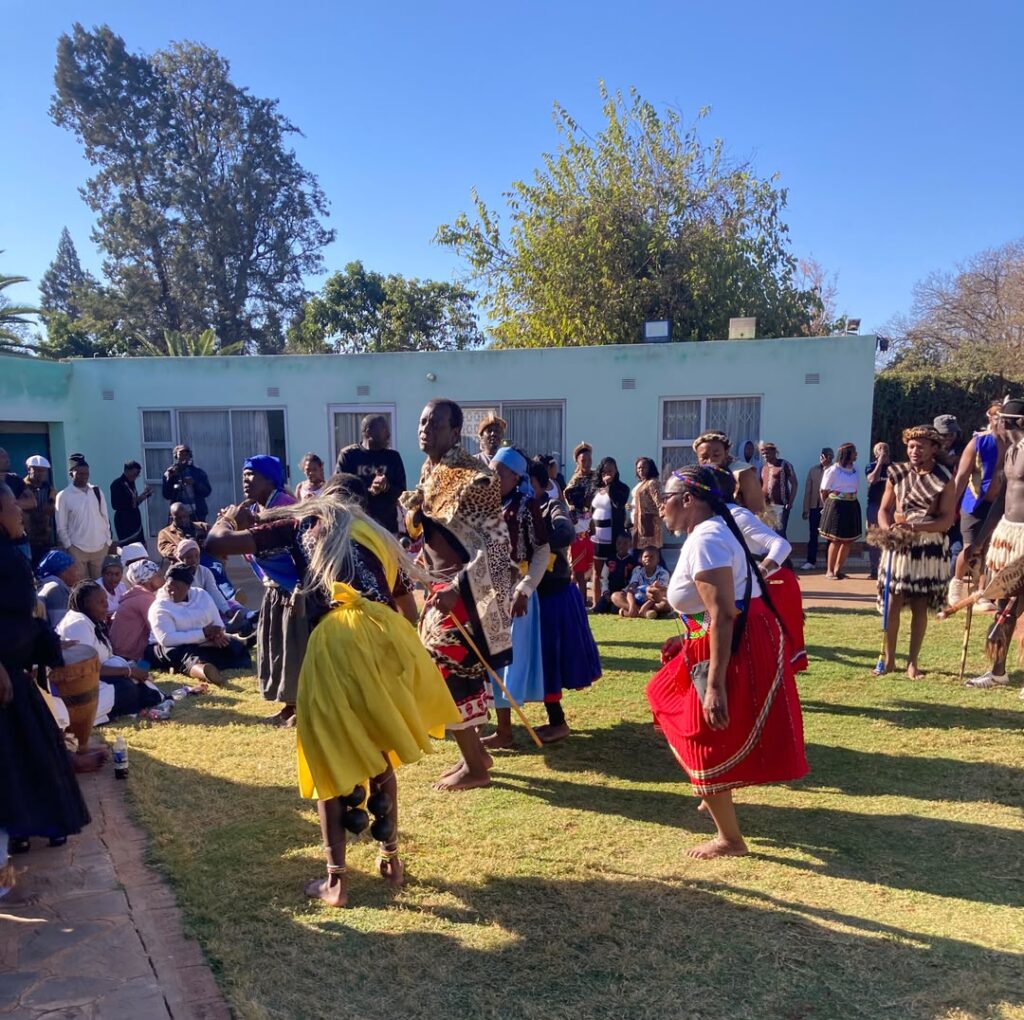


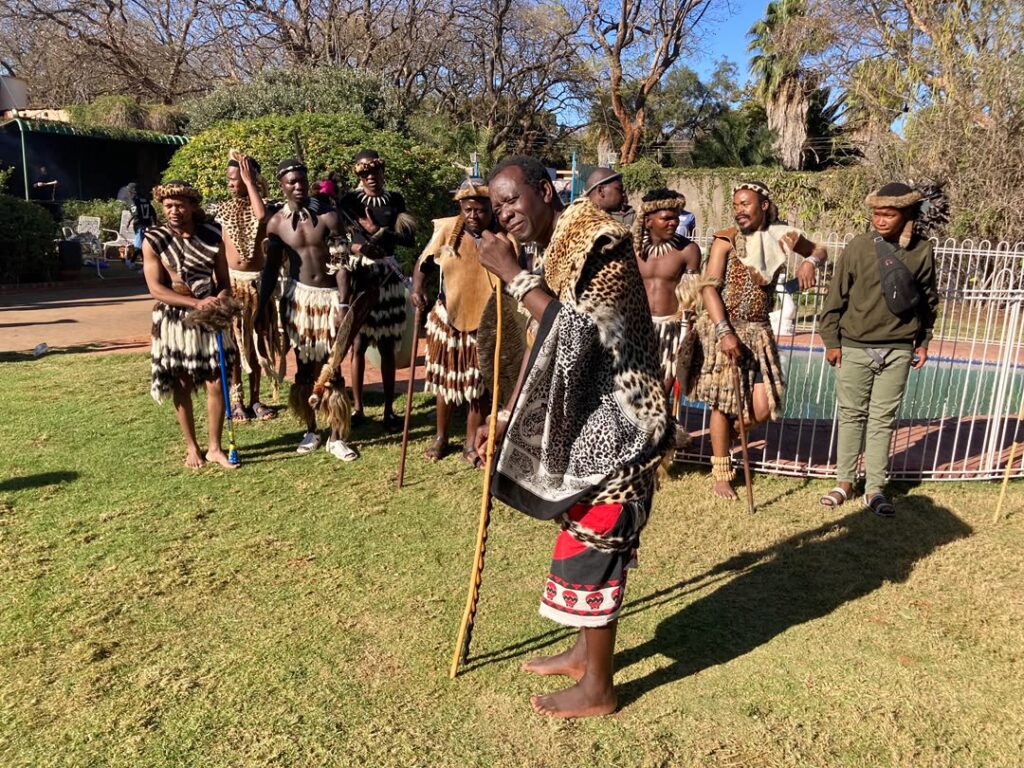


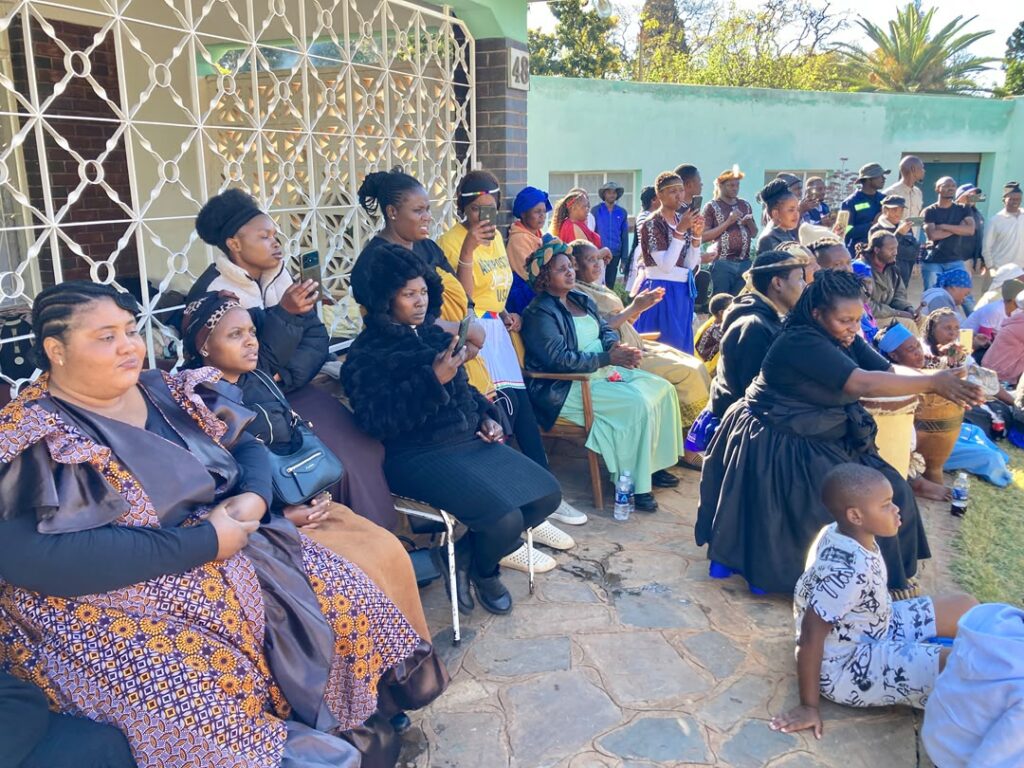
The event is increasingly becoming part of a broader revival of Ndebele culture in Matabeleland, alongside cultural commemorations such as Mzilikazi Day and Imiklomelo kaDakamela, which have helped create platforms for communities to reconnect with their history and traditions.
On this topic
A historian who was at the event, Witness Bhebhe, said such gatherings were important because they challenged the notion that African societies had no organised cultural, social, religious or economic systems before colonialism.
“I would actually call such events a renaissance or a rebirth of African culture, African history and culture,” Bhebhe said, who has been a teacher of history for more than 30 years.
“Such occasions, like which we have today, at Professor Solwayo Ngwenya’s homestead, reminds us that Africans had their own culture.”
Bhebhe said the growing number of cultural events across Matabeleland was evidence that communities were increasingly reclaiming aspects of their identity, which had been weakened by colonialism and modernisation.
“We are witnessing such events right across many parts of Matebeleland. Prof Ngwenya’s being one of them. We have Mzilikazi Day celebrated at the beginning of September. We have Imiklomelo kaDakamela also celebrated in the first quarter of each year,” he said.
“These examples I have mentioned are illustrations to show that Africans are reviving their culture and their history.”
Bhebhe said perhaps the most important aspect of the festival is the presence of children and young people, who he said represented the link between generations.
“This is for continuity. Once this present generation is gone, we have young people who will pass on the baton to the next generation,” he said.
The historian compared the revival of Ndebele cultural practices with the way Zulu communities in South Africa have maintained a strong connection to their history and traditions.
“I always compare Ndebele culture to Zulu culture because we know that the Ndebele are an offshoot of the Zulu,” Bhebhe said.
“In Zululand today, they are so much concerned and so much embedded in their culture, beginning from the days of Shaka, even before Shaka, up to the present. The Zulu are so tied to their culture. They are so embodied in their culture.”
Prof Ngwenya, a medical doctor and Chief Executive Officer of Mpilo Central Hospital, said his decision to maintain the annual ceremony was rooted in his belief that culture was fundamental to identity and family cohesion.
“I am a deeply cultural person and I realised as I grew up that culture is very important and our people have lost touch with culture,” he said.
Ngwenya said traditional ceremonies historically provided families with an opportunity to give thanks for life, protection and prosperity while strengthening their connection to their spiritual beliefs.
“A person or a nation or a clan without culture is a lost person or a lost nation or a lost clan because culture is a hallmark of what a human being is all about,” he said.
“It is a time when you celebrate as a family. It brings families together. It makes sure that every family member is protected by having a ceremony like this.”
Although the ceremony can be held anytime between June and the end of August, Ngwenya said the family deliberately holds it during the school holidays to make sure children and other family members can attend.
“It’s our spiritual period so it can be held anytime but in our case, because some members are in school, we wait for the schools to close so that everyone congregates,” he said.
Prof Ngwenya said maintaining culture does not mean rejecting modern education or Western medicine, rather he believes the two can coexist.
“Learning Ndebele culture and Western schooling are both important. Children have to know and learn and get educated at the same time, not forgetting where they come from, their culture and so forth,” he said.
He also dismissed any suggestion that his cultural practices meant that he was a traditional healer in case patients seeking help at Mpilo Hospital thought twice.
“Holding a cultural festival does not mean I am a healer. A traditional healer has to be registered with the Traditional Healers Association of Zimbabwe, you actually need a practising certificate,” Prof Ngwenya said.
“I am a medical doctor and you are not allowed to have two certificates. Either you become a medical doctor or a traditional healer. I am not a traditional healer, so any patient can feel free to come to the hospital. I am just a traditional person who follows this culture, practices Western medicine. I am not into traditional medicine.”
The festival has also become an important part of family life, bringing together relatives who live in different countries.
Ngwenya’s sister, an academic, Professor Doris Sibanda, said she travelled from South Africa to attend the ceremony, which she described as an important marker of the family’s identity.
“We come here every year to celebrate this occasion. It’s an occasion that marks or identifies us as the Ngwenya family,” she said.
She said the tradition had been passed down from previous generations and was now being deliberately preserved for children.
“We are teaching young people about who they are, where they are coming from, about their identities,” she said.
Prof Sibanda said education and professional achievements should not result in people abandoning their cultural roots.
“Even if you have got the highest level of education, you have to remember where you are coming from. Your roots are very, very important in African culture, in all cultures where we come from,” she said.
Ngwenya’s 15-year-old son, Ngwazikazi, one of the children, said he appreciated his father’s efforts to keep the tradition alive.
“We appreciate our father for showing us our culture, how to preserve our culture. This event is very important because it helps us to stay connected with our roots and not forget our ancestors and thank them every year,” he said.
The gathering also strengthens relationships among members of Ngwenya’s extended family.
One of his wives, Phumzile Mkhwananzi from Matobo, said the festival provided an opportunity for women in the family to work together and learn from one another.
“This event brings us together as we connect with relatives and make merry together. As wives,
we also help each other with tasks, learn from each other while learning from culture,” she said.
“We are like sisters. We can’t be jealous of each other. We met here and were brought here by Ngwenya, who united us.”
Meanwhile, the historian – Bhebhe said the continued growth of such gatherings was encouraging for the future of Ndebele identity.
“Really, this is a consolidation of Ndebele culture, to show that Ndebele culture will continue to live on,” he said, noting how pleasing it was to see community members partaking in traditional dances.
“The festival also represents an intergenerational effort to preserve memory, identity and cultural knowledge at a time when rapid social change continues to reshape communities.”









Leave a Reply