

Bulawayo is losing 42% of its treated water to leaks from ageing infrastructure, forcing the city to write off nearly half of the money it spends on water purification, while residents continue to face prolonged water shortages.
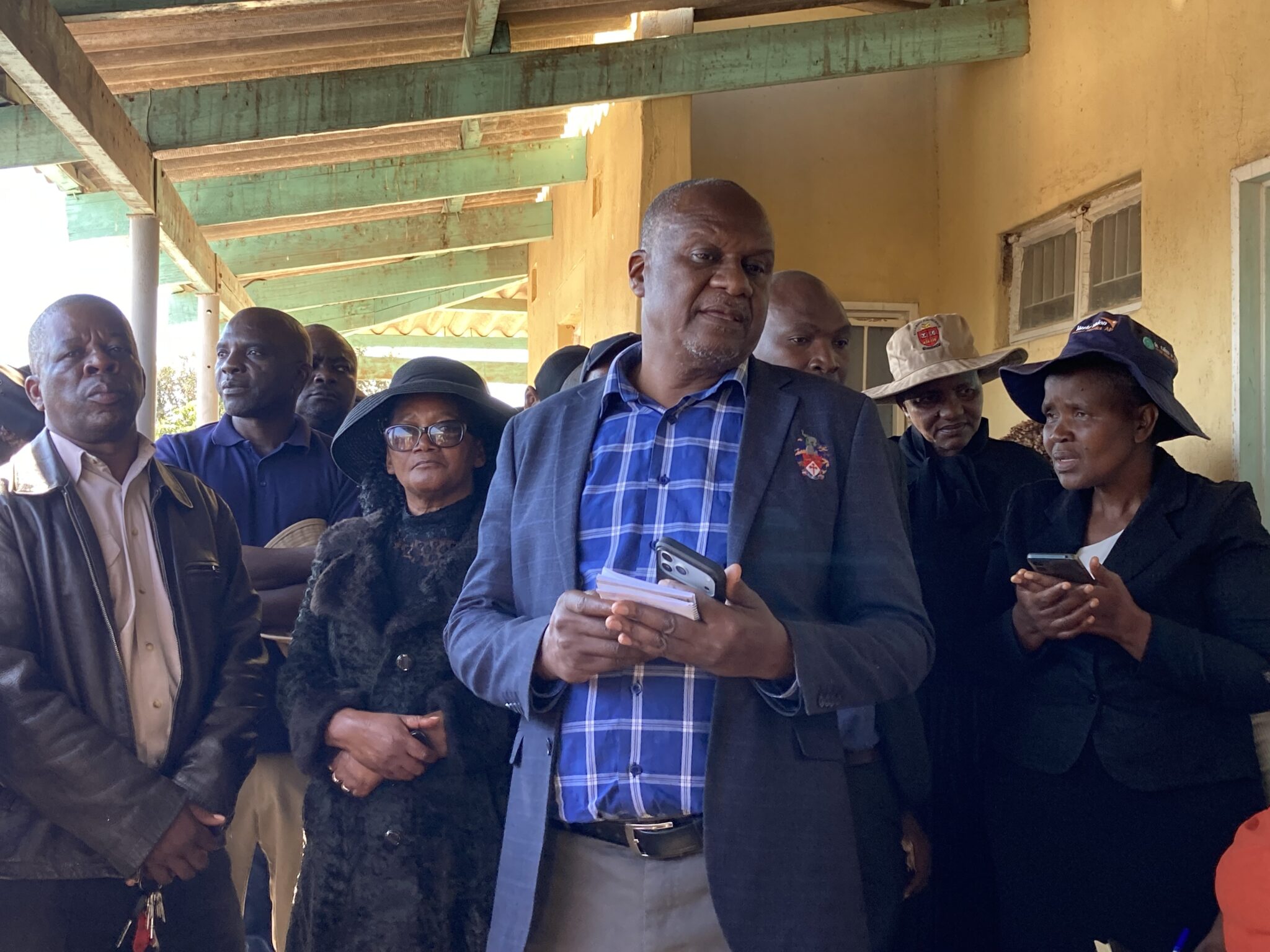
The city’s Finance Director, Tennyson Mpunzi, told Parliament’s Portfolio Committee on Local Government, Public Works and National Housing that deteriorating pipes were undermining efforts to provide a reliable water supply during an oversight visit to Bulawayo.
“What we are saying is that for every kilolitre, or every dollar that we spend on purification of water, 42 percent is lost because of the old infrastructure,” Mpunzi said.
He described the ageing water reticulation network as one of Bulawayo’s biggest service delivery challenges and appealed for funding to rehabilitate the system.
On this topic
“Our request to you, Chairman, is that we need funding to resuscitate our infrastructure so that the people of Bulawayo get water every 24 hours,” he said.
Mpunzi said the city was struggling to finance major infrastructure projects because borrowing remained expensive.
“The second challenge relates to funding. Accessing funding is very expensive. As a city, what we are trying to do is bring in partners, people that can assist us in achieving quality service, ensuring that the local community gets water 24 hours,” he said.
Bulawayo has for years relied on a water-shedding programme as dwindling dam levels and ageing infrastructure have constrained supplies.
To supplement the city’s water supply, Mpunzi said the council had expanded groundwater development by drilling more boreholes across Bulawayo.
“We’ve seen a number of boreholes being drilled around the city. That’s a way of ensuring that our people get the precious liquid that we need for everything,” he said.
However, he said boreholes could only provide temporary relief because the city’s existing dams were no longer sufficient for its growing population.
“Boreholes alone will not solve Bulawayo’s water crisis because the city’s raw water sources are no longer adequate for our growing population,” he said.
“Our raw water sources are very old. They were built before we saw the number of zones for the city grow. Now we’ve put up 29 zones. Maybe previously they used to be less than 13, but the figure has since doubled. So we need more water.”
Mpunzi said the council was optimistic that new water infrastructure projects would strengthen Bulawayo’s long-term water security.
“We’re excited that the government is working on the Gwayi-Shangani project. We have also just signed a water agreement on the Glass Block Dam, so if all goes well, this project will soon be up and running,” he said.




Leave a Reply