
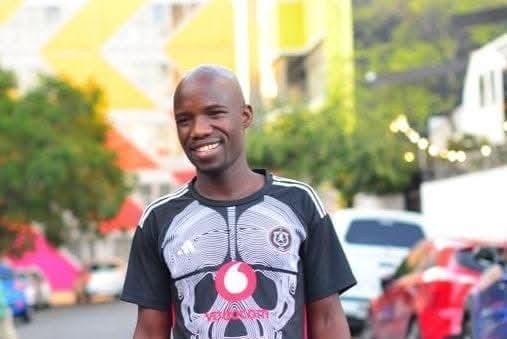
Wisdom Mkhwananzi, a member of the Mthwakazi Republic Party (MRP) who gained national prominence in 2018 after accusing President Emmerson Mnangagwa of responsibility for the deaths of his parents during the Gukurahundi genocide, has reportedly died in Russia after he was recruited to fight in Moscow’s war against Ukraine.
Mkhwananzi, also known within MRP circles as Nkunzi, is believed to have been killed alongside other foreign recruits around December 11, 2025, shortly after completing military training and deployment to the frontlines.

His death was confirmed to MRP leadership by family sources, although the identities of those who initially relayed the information are withheld due to the sensitivity surrounding the deaths of foreign recruits fighting in Russia.
In an interview with CITE, leader of MRP, Mqondisi Moyo, said he learnt of Mkhwananzi’s death on Tuesday after piecing together information from family members, survivors and previous conversations he had with the activist before he went silent.
On this topic
“I can safely say that although people have been talking about it on social media, I have spoken to his brother and his aunt in the United Kingdom and from the information I have, it is almost confirmed that Mkhwananzi and some of his colleagues were killed on 11 December last year,” Moyo said.
Mkhwananzi’s death comes amid growing concerns over the recruitment of economically vulnerable Zimbabweans into Russia’s war against Ukraine through promises of lucrative salaries and employment opportunities, with some recruits reportedly receiving minimal military training before they are sent to combat zones.
Moyo who referred to Mkhwananzi as Gagisa said the date of his death corresponds with when he last spoke to him on December 7, 2025, which was after weeks of unsuccessfully trying to contact him.
“Gagisa told me he was already in Russia and had just completed his training on that day and was waiting for a vehicle because they were about to be deployed. He said before they had been in an area without network coverage,” he said.
“The other people I have spoken to also said they last spoke to him on December 7.”
Moyo said Mkhwananzi had travelled to Russia around the end of October to November last year but had not informed him directly of his intentions.
“People had been talking that he was interested in going to Russia, but he never told me directly. If he had seen me, I was not going to allow him to go. Maybe that’s why he avoided me, but in our culture we don’t dwell on what could have been,” he said.
According to Moyo, Mkhwananzi said there were seven people in his group, including four Zimbabweans, while the others came from countries such as Kenya.
“I asked him whether what he was doing was okay. He said life was hard in Zimbabwe, ‘akulampilo’ and that the situation was also becoming difficult in South Africa. He said it was better for him to try somewhere else for the sake of his family,” Moyo said.
“I asked him how long the training had lasted and he said it had only been for one week and a few days. I questioned whether that was adequate. Gagisa said it was basic training. They were also taught some Russian language, mainly greetings.”
Moyo supposed that one of the reasons news of the deaths took months to emerge was because foreign recruits often adopt Russian names and because fatalities involving foreign fighters are not always publicly announced.
“The only people who can release names are those who survive attacks. From information I have, survivors included someone from the Democratic Republic of Congo who was badly injured and another Zimbabwean who had travelled using South African identity documents. He suffered broken arms and legs and is now back in South Africa,” he said.
Having spoken to relatives, including Mkhwananzi’s wife, siblings and extended family members, Moyo said the family had accepted that he was no longer alive.
“Gagisa leaves behind a wife and two children. We are trying to see how we can help them,” he said.
Mkhwananzi’s death marks a tragic end to the life of a political activist whose public profile became intertwined with Zimbabwe’s unresolved legacy of the Gukurahundi atrocities.
As a child, Mkhwananzi reportedly lost both parents during the 1980s Gukurahundi massacres, a military campaign carried out in Matabeleland and parts of the Midlands in which thousands of civilians were killed.
His search for justice led him to become active in MRP, a political organisation founded in January 2014 that advocates for the restoration of the pre-1893 Mthwakazi kingdom and the self-determination of Matabeleland and parts of the Midlands.
MRP has frequently found itself at odds with the Zanu PF led government because of its calls for self-determination and accountability for historical injustices.
Mkhwananzi gained national attention on October 26, 2018, when he appeared before the Commission of Inquiry into the August 1, 2018 post-election violence, chaired by former South African president Kgalema Motlanthe.
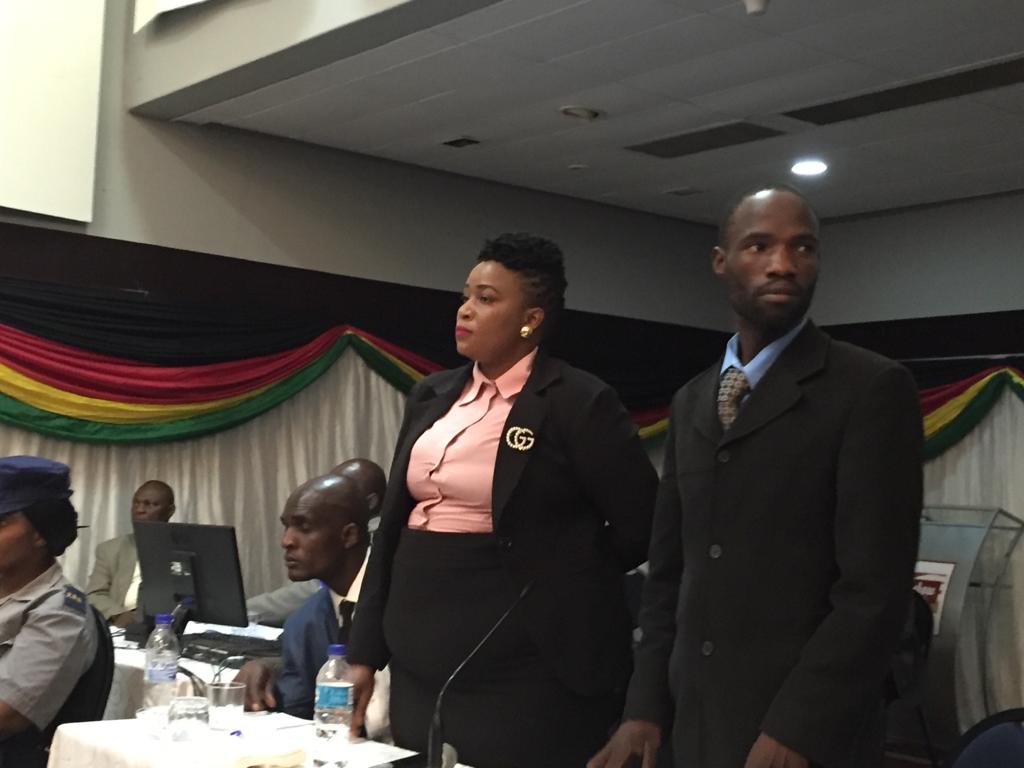
During public hearings in Bulawayo, Mkhwananzi pointed at a portrait of President Mnangagwa and alleged the president was responsible for making him an orphan through the Gukurahundi genocide.
Shortly afterwards, he was arrested and charged with undermining the authority of, or insulting, the President under Section 33(1)(a) of the Criminal Law (Codification and Reform) Act.
Read: https://cite.org.zw/police-swoop-in-on-commission-witness/
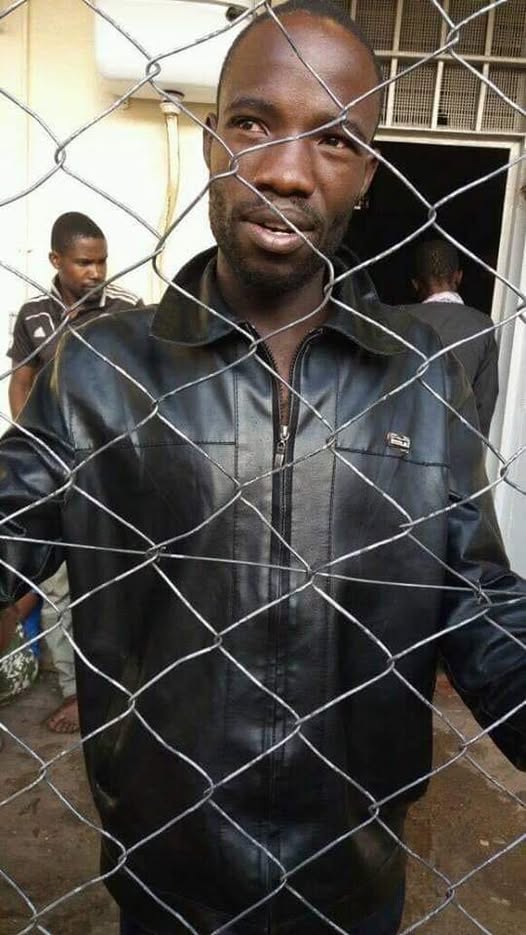
Authorities also accused Mkhwananzi of giving false testimony under oath after it emerged that he had identified himself to the commission as Siphamandla Mafu, a name police said did not appear on his national identity card.
Mkhwananzi was granted bail of US$200 on October 29, 2018.
Read: https://www.zimlive.com/motlanthe-commission-witness-used-fake-name-court-hears/

His lawyer, Tanaka Muganyi of Zimbabwe Lawyers for Human Rights, alleged at the time that Mkhwananzi had been severely assaulted while in police custody.

MRP secretary-general, Velile Dube described Mkhwananzi as a loyal and disciplined cadre who dedicated his life to seeking justice for victims of Gukurahundi and advancing the party’s self-determination agenda.
“As a child, Mkhwananzi aka Nkunzi lost his parents through the Gukurahundi genocide and never found closure. He became active in the struggle for self-determination as a means to seek justice and peace,” he said.
“He challenged the government’s efforts through hearings held in Bulawayo and was arrested for seeking justice. He later left Zimbabwe in frustration and lived in South Africa for a considerable period before travelling to Russia at the end of 2025 to join the Russian Army.”
“Though the sad news is not yet fully confirmed through official channels, we have lost a friend, a comrade, a dedicated member of MRP and a family man. He was a jovial and disciplined man who discharged his duties with passion. He died trying to provide for his family.”
Dube added: “We will miss our comrade, and we believe justice shall be served at the appointed time. We mourn with his family and with all Mthwakazi people. May his soul rest in peace.”





Leave a Reply