

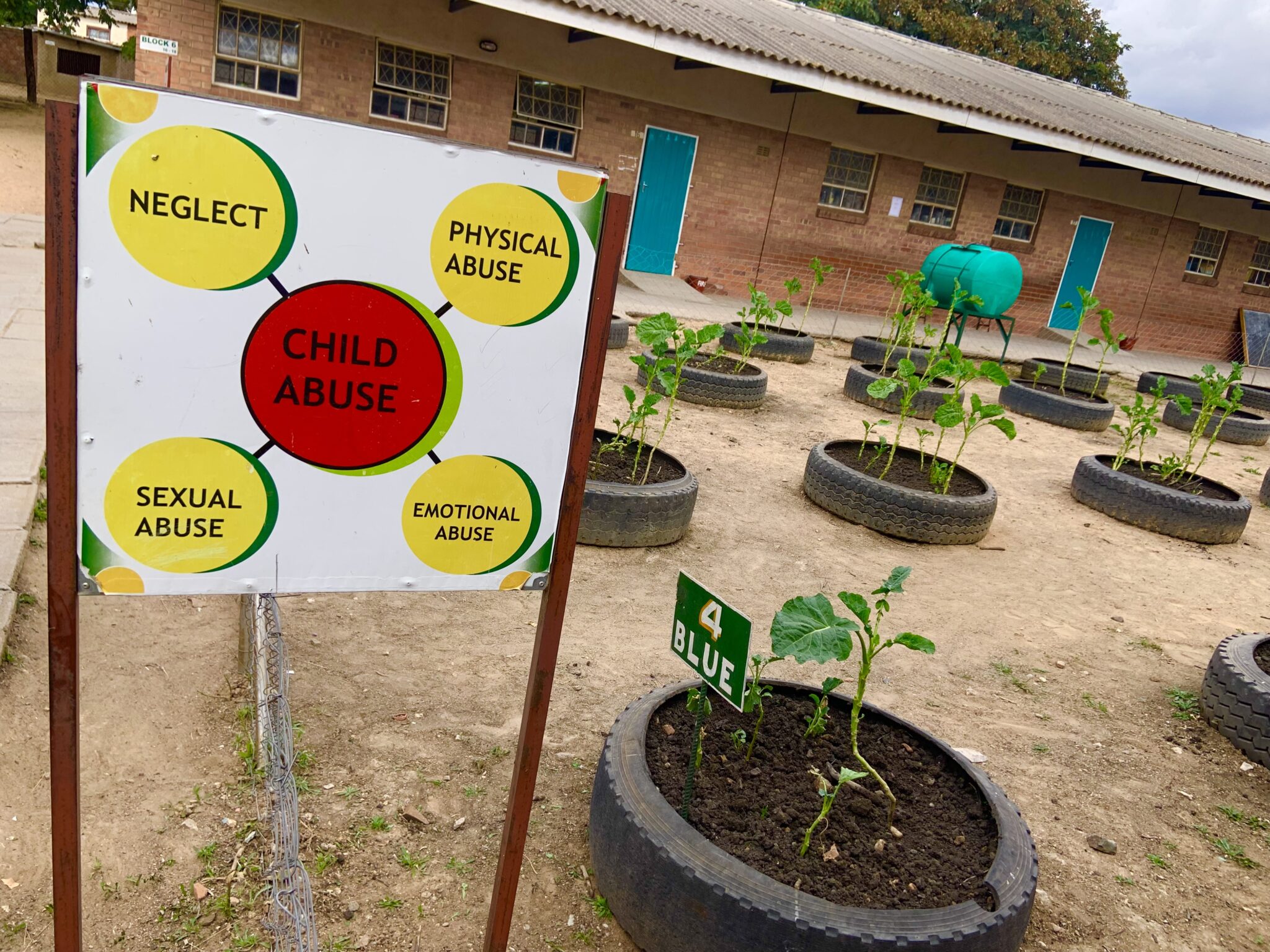
Zimbabwe’s Heritage-Based Curriculum (HBC), together with policies aimed at protecting vulnerable learners, is playing a crucial role in making sure pregnant girls remain in school while equipping learners with life skills to protect them from abuse, gender-based violence and other social challenges, education authorities have said.
Zimbabwe experienced a sharp rise in teenage pregnancies, with the rate increasing from nine percent in 2016 to 22 percent in 2023.
Between 2019 and 2022, more than 358 000 girls aged 10 to 19 became pregnant, with one in five expectant mothers seeking antenatal care being a teenager.
Early pregnancies disrupt education, as they often prevent girls from sitting for their O-Level examinations, the foundation for further education and formal employment opportunities in Zimbabwe.
On this topic
Resultantly, many young mothers face diminished prospects for economic independence and a better future. Read:https://cite.org.zw/stillborn-dreams-why-efforts-to-curb-teenage-pregnancies-in-zimbabwe-keep-falling-short-one-community-solution-brings-promise/
Speaking during a media engagement programme at Mawaba Primary School in Lobengula West, School Inspector Memory Phiri, representing the Chief Director of Provincial Education Services, outlined how the Ministry of Primary and Secondary Education (MoPSE) is implementing curriculum reforms and policies designed to keep every child in school.
The remarks came as stakeholders, including the National AIDS Council (NAC), highlighted the importance of a multi-sectoral approach in safeguarding children and promoting healthy, productive lives.
Phiri said the ministry’s work is guided by two key frameworks, the HBC rolled out in 2024 and will run until 2030, and the National Development Strategy 2 (NDS2).
“As the ministry, we are implementing the Heritage-Based Curriculum, which guides us to teach sexual and reproductive health life skills and guidance and counselling to learners,” said Phiri.
“We are also implementing NDS2, which guides us as the Ministry of Primary and Secondary Education to protect learners against all forms of violence taking place in schools and communities.”
The HBC places a strong emphasis on values, life skills and Ubuntu, making sure learners receive age-appropriate guidance on issues affecting their wellbeing.
Under the curriculum, Guidance and Counselling remains a learning area from Early Childhood Development (ECD) through to Grade Seven and is integrated across all primary school subjects. At secondary school level, it can also be studied as a standalone subject.
“Issues such as puberty, personal hygiene, respect and gender-based violence are taught through stories, drama and local examples that learners can easily understand,” said Phiri.
She said there were still misconceptions among some parents who feared schools were exposing children to inappropriate sexual content through comprehensive sexuality education.
“As we teach HIV and AIDS, we are worried about the age of the learner. We take into consideration the age of a learner. For example, in primary school, we don’t teach about sex, but we teach the learners to focus on their body parts, to focus on the life skills which will enable them to live in a society,” said the school inspector.
“ We are saying no to abuse rather than sex or contraceptives. We are teaching our learners to say, ‘no to sex,’ to say ‘no to any form of violence’ which they might face.
According to Phiri, the ministry’s focus is on prevention, protection and empowerment.
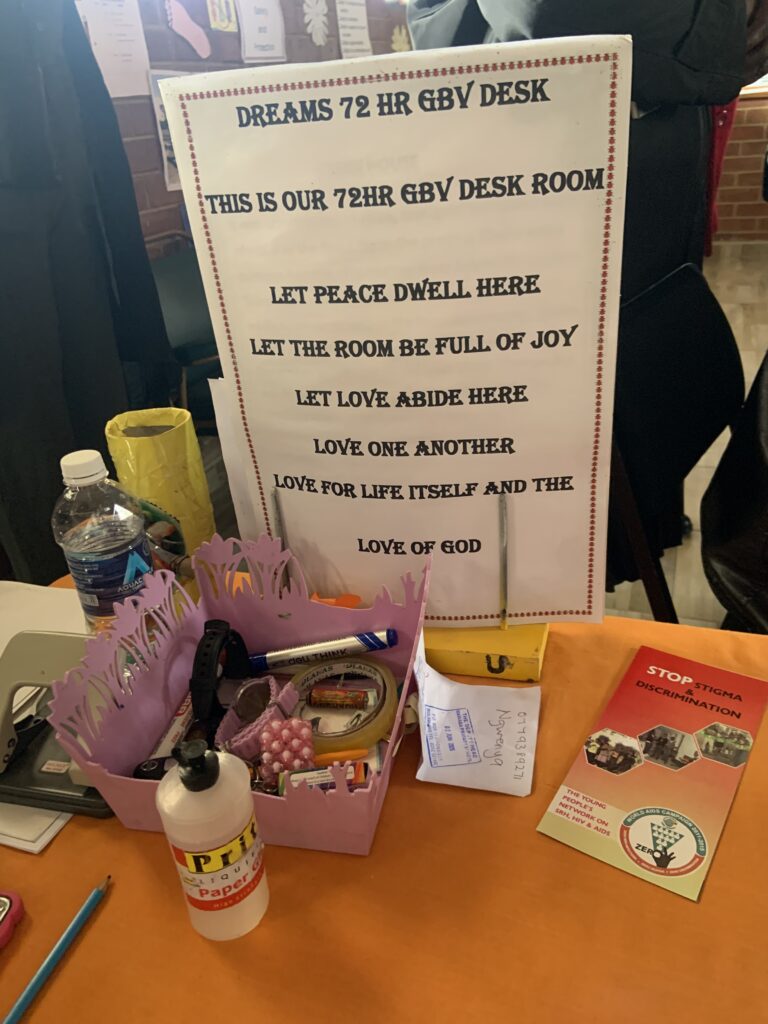
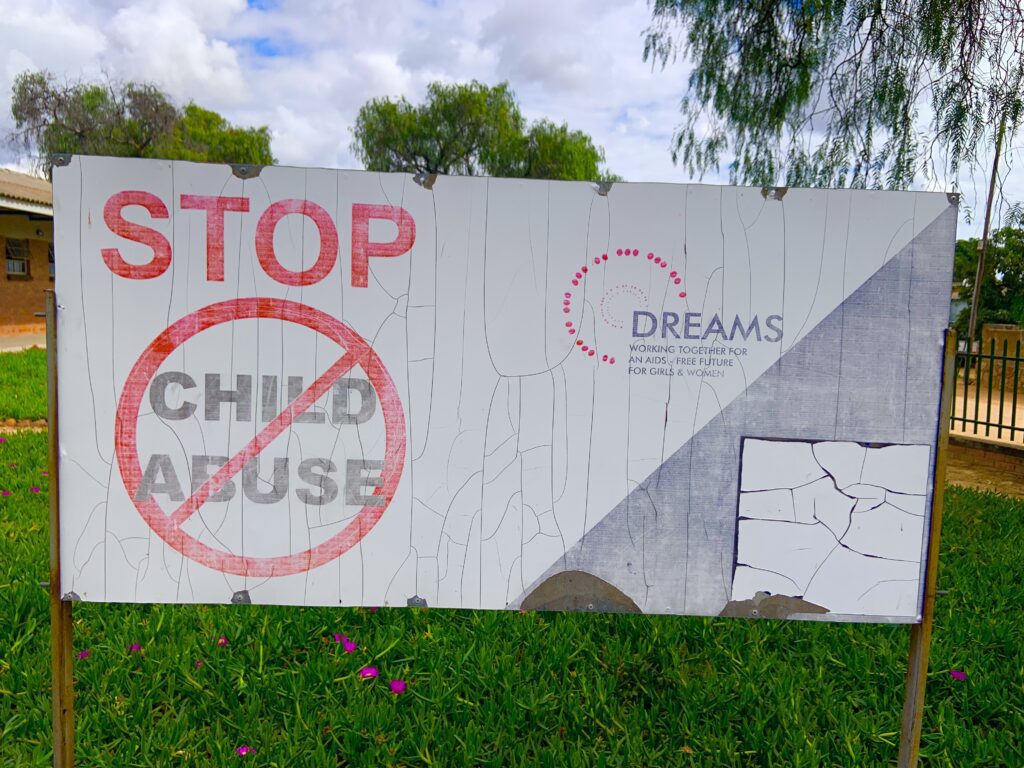
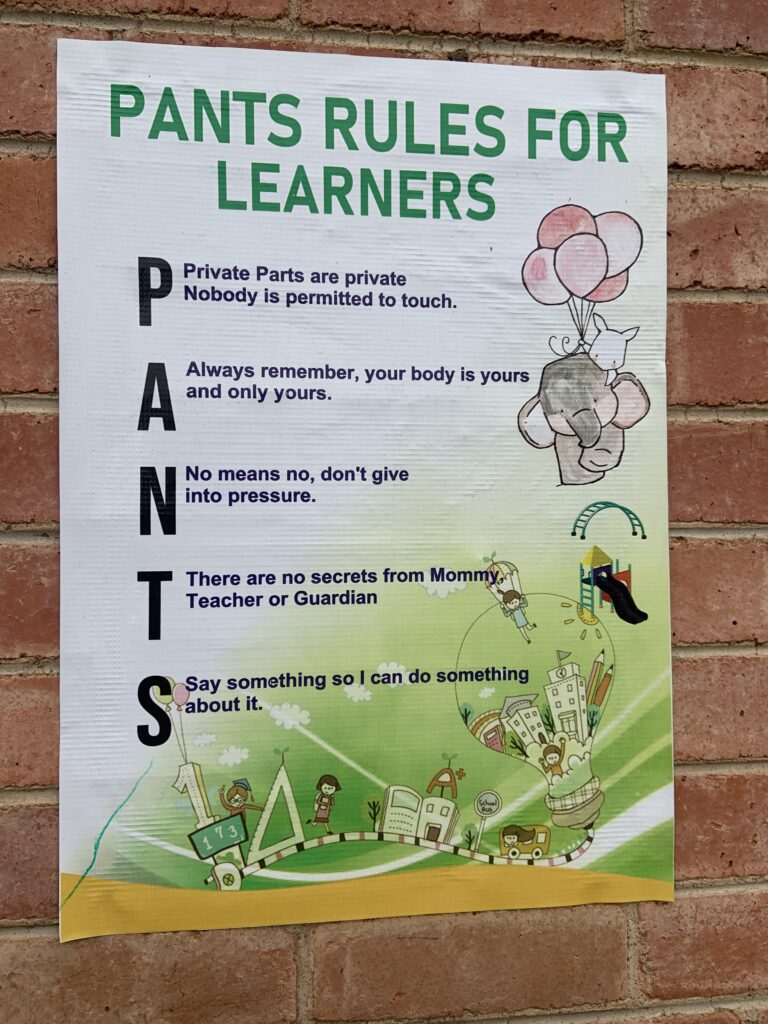
“That’s why we are trying by all means to teach our learners safety, to know their rights as early as ECDA,” she said.
“At primary schools, GNC teachers are key, as they are the ones who guide learners and teach life skills which learners are supposed to receive.”
The ministry’s efforts complement broader interventions by NAC, which has partnered with schools across the country to address HIV infections, teenage pregnancies, gender-based violence and substance abuse among young people.
Central to these efforts is NAC’s “Not in My Village” campaign, which has been adapted for schools as “Not in My School,” which seeks to shape positive community norms and values while creating a safe and supportive environment for adolescent girls and boys, helping to prevent abuse, reduce vulnerability and promote healthy life choices.
NAC Bulawayo Provincial Manager, Sinatra Nyathi, said schools remain a critical component of Zimbabwe’s national HIV and AIDS response because they provide a platform for building resilience among young people.
“We used to teach learners to map risky areas between home and school and identify situations that could expose them to abuse or exploitation,” she said.
Beyond HIV prevention, NAC continues to support school quiz competitions, teacher training and Guidance and Counselling programmes.
“We have trained teachers on age-specific and culturally acceptable sexual and reproductive health education because we realise teachers are often the first people who can identify challenges affecting learners,” Nyathi said.
She stressed that life skills education was just as important as academic achievement.
“We need learners who are academically strong, but we also need learners who can face life. There is no point where we have a lot of learners with good grades, but they’re silent in graves,” Nyathi said.
One of the major concerns being addressed through NDS2 is teenage pregnancy and school dropout rates.
Phiri said the ministry had adopted policies that make sure pregnant girls are not excluded from education.
“We are saying no to teenage pregnancy, but we are also saying no learner should be denied an education because she becomes pregnant,” he said.
“We have Circular Number 18, which guides schools on the continuation of learning for pregnant girls. The policy makes sure that no child is left behind.”
The circular allows girls to continue learning during pregnancy and return to school after giving birth.
Although Phiri declined to provide specific statistics, she claimed many girls had successfully resumed their education after childbirth under the policy.
“We have many girls who have continued with their education after giving birth because of this policy. The ministry is working very hard to ensure that education remains accessible to every learner.”
Another challenge that often affects girls’’ attendance is lack of sanitary wear.
To address this, the ministry has introduced measures to ensure menstruation does not become a barrier to education.
“We have Circular Number Two, which guides the provision of sanitary wear in schools,” said Phiri.
“There were girls who would miss school because they did not have access to sanitary products, but the policy clearly states that no child should be absent from school because of that.”
She said the government, NAC and various development partners were working together to supply sanitary wear and support schools producing reusable sanitary products.
“Some schools are also making reusable sanitary products to make sure girls continue attending school,” she said.
At community level, NAC Magwegwe District AIDS Coordinator Kenneth Ncube said schools offer one of the most effective platforms for reaching young people with preventive messages and life-skills education.
“When we work in communities, we often have to mobilise people to attend programmes, but in schools the learners are already there,” said Ncube.
“We are dealing with young people whose behaviour is largely still on the right path. Instead of talking about behaviour change, we should be talking about behaviour correctness. In other words, we need to seize on the opportunity of citizens who are on the right side so that we can keep them on the right side.”
Support CITE’s fearless, independent journalism. Your donation helps us amplify community voices, fight misinformation, and hold power to account. Help keep the truth alive. Donate today







Leave a Reply