

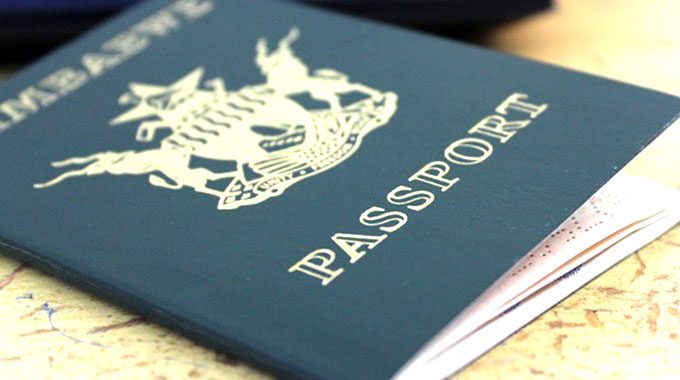
The South African government has extended the validity of the Zimbabwean Exemption Permit (ZEP) to 28 May 2027, granting thousands of Zimbabwean nationals temporary relief from possible deportation or loss of legal status.
The announcement, published in Government Gazette No. 53484 under Minister’s Immigration Directive No. 21 of 2025, comes after months of uncertainty for over 170,000 Zimbabweans living, working, and studying in South Africa.
The new directive allows ZEP holders to remain in the country lawfully while broader policy consultations on the future of special permits continue.
Zimbabwean civil society organisations in South Africa have welcomed the move as a “positive and humane decision,” but cautioned that temporary extensions continue to leave affected migrants in limbo.
In a statement issued on Tuesday, Zimbabwe Community in South Africa said while it appreciates the extension, it would have preferred a “more conclusive announcement” outlining a final and inclusive solution.
“Piecemeal extensions leave families and workers in prolonged uncertainty, affecting livelihoods and creating confusion among those who have sought to transition to mainstream visa categories,” the organisation said.
The group raised concern over what it described as administrative challenges faced by ZEP holders when dealing with VFS Global and other South African departments. These include high rejection rates, technical errors in waiver applications, and system failures that have delayed renewals and applications for study permits for children.
ZimCommunitySA also reported cases of traffic departments refusing to renew driver’s licences and service entities demanding physical permit stickers despite the government gazette confirming validity.
The organisation has proposed that the Department of Home Affairs (DHA) and VFS Global issue temporary certification or stickers to ease verification problems and prevent harassment or rejection of valid permits.
ZimCommunitySA further urged the Immigration Advisory Board (IAB) and DHA to engage directly with affected communities to develop a durable, humane migration policy. It also appealed to employers and policymakers to recognise that ongoing uncertainty around the permits disrupts workplaces and families dependent on the permit holders’ contributions.
“We remain deeply grateful to the Republic of South Africa for its continued hospitality and regional solidarity,” the statement added, reaffirming the group’s commitment to “cooperation, lawful conduct, and constructive dialogue.”
In 2009, the South African government introduced a Dispensation of Zimbabwean Permit (DZP) to legalise the many Zimbabweans already inside the country because of the political and socio-economic situation in Zimbabwe.
In 2014, the DZP was renamed the Zimbabwe Special Permit (ZSP); and then in 2017 renamed the ZEP.
Support CITE’s fearless, independent journalism. Your donation helps us amplify community voices, fight misinformation, and hold power to account. Help keep the truth alive. Donate today
Hi there, I am finding it difficulty with the renewal of my drivers license