
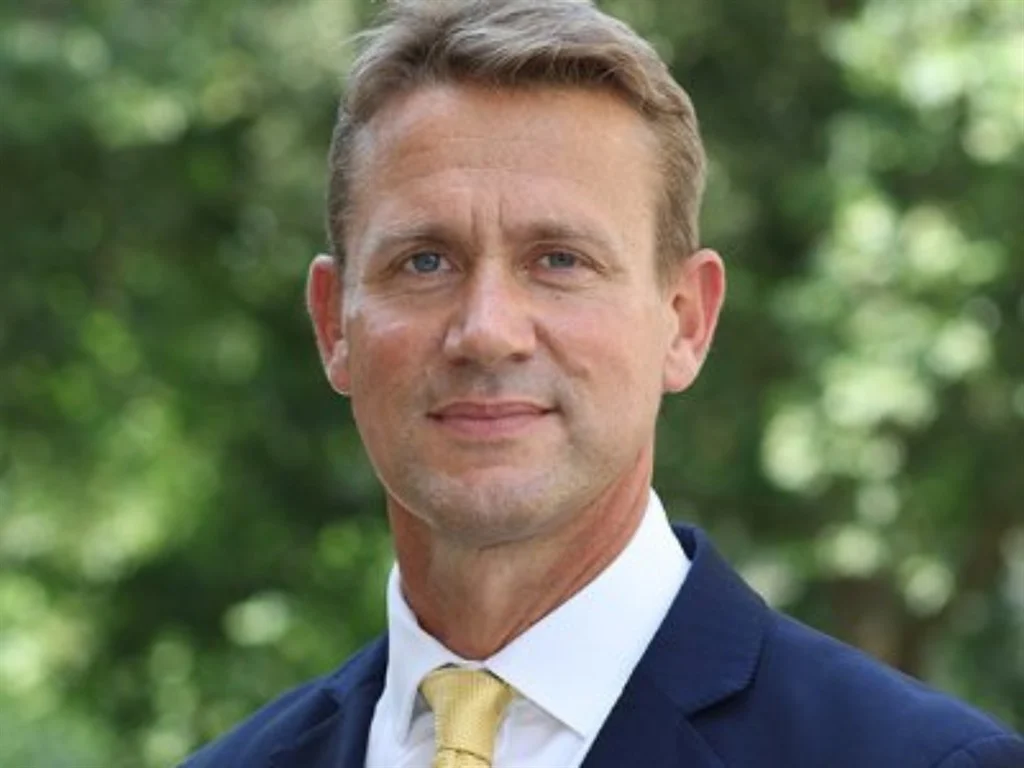
The United Kingdom has distanced itself from Zimbabwe’s ongoing constitutional debate, with British Ambassador to Zimbabwe Pete Vowles insisting that the proposed Constitutional Amendment Bill No. 3 is a domestic matter for Zimbabweans to decide.
The amendment bill, which is under discussion in Zimbabwe, has generated significant political debate as it proposes changes that could allow President Emmerson Mnangagwa to extend his stay in office beyond the current two-term constitutional limit.
Responding to questions on the matter, Vowles said the UK government would not interfere in Zimbabwe’s constitutional processes.
“It’s important to emphasise our view as the British government that this is a domestic, sovereign issue, not a British issue,” he said.
On this topic
“We are a foreign government, many thousands of kilometres away. This is for Zimbabweans, for all of you Zimbabwean citizens to decide what you want to do about your constitution. It is not for me to make a judgement, not for the British government to make a judgment on that.”
Vowles’ remarks come amid growing international attention on the proposed amendments, including debate within the House of Lords, where some members have called for a stronger stance against what they described as attempts to entrench power by the ruling Zanu PF party.
Read: https://cite.org.zw/uk-lords-clash-over-zim-constitutional-changes/
However, Vowles reiterated that while such discussions may occur abroad, they do not translate into an official British government position on Zimbabwe’s constitutional direction.
“Many people want this to become a British issue. This is not a British issue or an international issue. It’s for Zimbabwe and Zimbabweans to decide how you want your country,” he said.
The ambassador pointed to findings by the Zimbabwe Human Rights Commission (ZHRC), noting while its recent report had been referenced internationally, it remains a Zimbabwean institution whose observations should be interpreted within a domestic context.
“We saw the ZHRC report, particularly there was a report about the positives and of course that paragraph in the end about what ZHRC raised would certainly, I imagine, be an issue for Zimbabweans. But then again this is a Zimbabwean institution reporting. This is not a UK issue,” he said.
While maintaining a position of non-interference, Vowles suggested Zimbabwe’s decisions on governance could have implications for its international standing, particularly as the country seeks to re-engage globally.
“If I may speak as an individual… I would be thinking about the brand that Zimbabwe wants to present in the world,” he said.
“Zimbabwe is bidding to become a member of the UN Security Council, Zimbabwe has international aspirations to engage and re-engage with the world. Zimbabwe would want to think about that brand… particularly how the decisions that Zimbabwe makes… are perceived by the international community.”
He added that investor confidence is closely linked to governance signals.
“We know that businesses want stability, clarity and predictability. That’s something for Zimbabwe and the government to think about, what’s its brand it wants to present in the world,” Vowles said.
On Zimbabwe’s long-standing bid to rejoin the Commonwealth of Nations, Vowles clarified the decision does not rest with the UK alone.
“The British government has always been clear that we value and welcome Zimbabwe back into the Commonwealth when the time is right,” he said.
“But it’s not a British decision. There are 56 members of the Commonwealth and the 56 members vote on new membership.”
He noted that the next step in the process would involve an assessment mission by the Commonwealth Secretariat, led by its Secretary-General, a Ghanaian, to evaluate Zimbabwe’s readiness, pending an invitation from the Zimbabwean government.
Turning to development cooperation, Vowles acknowledged that global financial pressures have led to reduced aid budgets but said the UK was shifting toward partnership-based approaches rather than traditional donor models.
“Resources in the world are pressurised now, there isn’t that kind of volume or aid money that there used to be and that’s the same for the UK government, it’s the same for everybody but what we think in this context, in this country, the best way to use our resources is to broker and facilitate a different kind of partnership,” he said.
“Gone are the days when an international partner comes in with a big cheque book and runs services on behalf of the government. Much better if we work together with local partners… broker new partnerships and relationships between our institutions and people.”
He cited recent engagements involving Zimbabwean professionals in the diaspora working within the UK’s health sector, who have returned to collaborate with local institutions such as Midlands State University and Parirenyatwa Group of Hospitals.
“That’s a real relationship of equals,” Vowles said. “They are bringing expertise but also taking back lessons. When you meet both sides, they say ‘this is a great way, why were we not doing this before?’”
He added that both countries face shared global challenges such as climate change and gender inequality, making collaborative approaches more relevant.
On bilateral relations, Vowles described ties between Zimbabwe and the UK as steadily improving after years of strain.
“Collectively, as a team really proud of how our relationship with Zimbabwe has evolved in recent years, you know, as most Zimbabweans know, we had a really difficult relationship in much of the last 25 years. We have in the last several years been able to rebuild our relationship,” said the UK ambassador.
“We are now talking together again. We are now working together as partners between our two countries. It’s the right place to be given the strong historical links, strong people links and strong institutional links between our two countries.”
He said both governments now engage more openly, including on areas of disagreement, which are often handled through diplomatic channels.
“We are making good progress and it takes both from the government of Zimbabwe side and from our side working hard to continue to build that relationship, where we can talk about our issues , the government of Zimbabwe disagrees with us about and we have those conversations in private and the same vice versa it’s a maturing and growing relationship one that we are proud of,” Vowles said.






Leave a Reply