

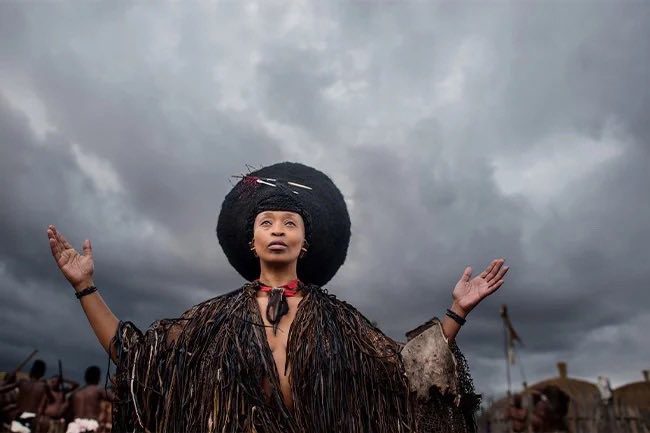
By Thomas Sibanda – Mzala Tom
Queen Mother Ntombazi has been referred to as ‘one of the most influential women in the pre‐Shakan and Shakan eras’. From 1750 to 1820, the Ndwandwe kingdom was a dominant force in the area now known as Kwa‐Zulu Natal.
The kingdom sought to dislodge the much larger Mthethwa confederation under King Dingiswayo. However, in present day history conversations, the Ndwandwe kingdom is almost entirely forgotten and its role has often been overshadowed by the successor Zulu state, established and led by King Shaka ka Senzangakhona.
Queen Ntombazi was the daughter of the Ntshalintshali who married King Langa kaXaba. She gave birth to an heir by the name of Zwide who grew up to rule his father’s kingdom. As the Ndwandwe kingdom grew and expanded it became a fierce threat to other neighbouring kingdoms, especially the Mthethwa confederation under King Dingiswayo and the Swati of King Sobhuza who had to relocate further inland.
During King Zwide’s reign, his mother Queen Ntombazi played a critical role as his political advisor, diplomat and strategist in the expansion of the Ndwandwe kingdom. Queen Ntombazi advised her son on how to grow the Ndwandwe kingdom and manage his rivals. Her main goal was to ensure that the Ndwandwe controlled the lucrative trade routes to the Delagoa Bay. Ndwandwe strength grew with their control of trade in the region.
Queen Ntombazi is often portrayed as a kingmaker who secured her son on the Ndwandwe throne and used dark magic to make sure that her son King Zwide became the most powerful king. Most historical narratives are obsessed with the theme of dark magic and sorcery whenever Queen Ntombazi is mentioned. This often downplays her wisdom, intelligence and vision for a united Bantu empire in Southern Africa.
My view is that Queen Ntombazi is in the same league as other female luminaries like Regent Mantathisi of the Batlokwa, Queen Regent Mnkabayi of amaZulu and later, Queen Regent Novimbi okaMsweli also of amaZulu; Queen Mother Mncengence Khumalo of the Ndebele of Mzilikazi and Queen Regent Lozikeyi Dlodlo also of the Ndebele of Mzilikazi. These women challenged misconceptions propagated through feminist and colonial thinking that African women were victims of patriarchal oppression since time immemorial, and did not exercise power and authority in their respective societies.
Queen Ntombazi is likely to have been born during the mid-eighteenth century and was effectively in charge of the Ndwandwe kingdom, ruled by her son Zwide. Unfortunately, not much is written about her, and existing Zulu oral traditions seem to only portray negative images about her as a witch, sorcerer and a practitioner of dark magic; who had a disabled son whom she hid from her husband and the entire Ndwandwe clan.
The truth is that the Ndwandwe and the Mthethwa both had the same vision of expansion and growth. The Ndwandwe vision rivalled with that of Zulu who took centre stage under King Shaka after the fall of King Dingiswayo of the Mthethwa. Kings Zwide and Shaka both wanted the same thing: To build a massive conglomeration of Nguni states, chiefdoms and loose polities in present-day South Africa. They both wanted to be emperors.
Even though some of Queen Ntombazi’s ways to help build the Ndwandwe empire included witchcraft, the truth is she managed to help the Ndwandwe become one of the most powerful nations among the Nguni.
There is no kingdom that operated without the use of witchcraft or dark magic in those days! Was Queen Ntombazi any different from Princess Mkabayi kaJama who was a powerful king maker and defacto leader of the Zulu kingdom? Was Queen Ntombazi evil and a villain ? Did she hang skulls of kings onto her rooftop? Did she rear hyenas? Did she have zombies ? Is she the inventor of ukucuya – ritual murders?
These questions will always be hard to answer as Ndwandwe history was buried with the collapse of their empire. Queen Ntombazi may indeed have been a victim of negative stereotypes associating powerful black women with witchcraft. Others have also pointed out that she may be a victim of Zulu propaganda stemming from their ultimate triumph over the Ndwandwe!
When others look away, we dig deeper. From ZPRA history to local corruption, CITE tells the stories that matter. Keep our journalism independent. Donate here
Queen Ntombazi was all like most queens tasked for critical rituals of the Kingdom that does amount to witchcraft. You can look at Queen Lojiba of Eswatini from the Simelane clan who was responsible for rain making stones from the rivers and ocean and must all the time follow strict royal orders and couldn’t do anyhow , speak anyhow as the ritual needs her to respect even ant that is how it was to respect the world and its people and all nature around. Queen Ntombazi of Ndlangamandla people wasn’t different, but she is a victim of propaganda machinery that had to enhance a narrative that she was a witch of which is one of the ocean of lies and I believe the Ndwandwe clan which are original masters of squashing the calabash must correct this wrong history. The Ndwandwe people have been known of their healing powers of great medicine and what what come sit on the womb of their daughters became great and if you are looking for evidence you can look at King Mswati II who expanded Swazi rule as far as Limpopo and his mother was Thandiye Ndwandwe daughter of Zwide, also you can look at Mzilikazi kaMashobana who built a powerful Kingdom in Zimbabwe and his mother was Nozimpethu Ndwandwe another daughter of Zwide and Mswazi and Mzilikazi were cousins by blood, you can further look at King Sobhuza II whose mother was Lomawa Ndwandwe second generation of Zwide and also look at King Zwelithini whose mother was Jezangani Ndwandwe also second generation of Zwide. Their rituals are most important in holding the Kingdom of the nation as they are people of water and depth of the ocean and all is sacred knowledge not for everyone, but for Kings.