

By Persistance Nkomo
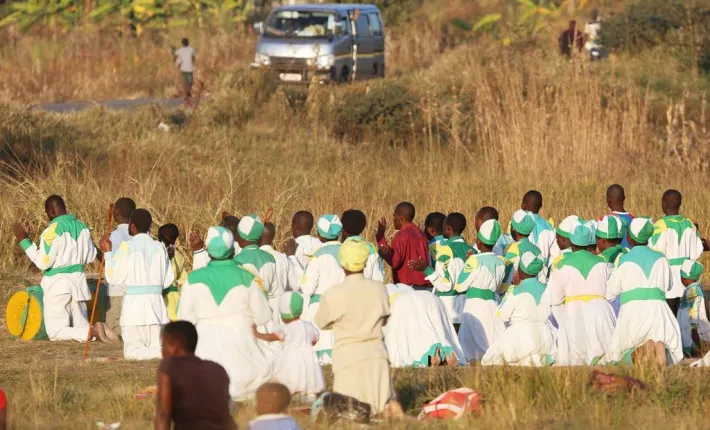
Residents of Pumula have raised concerns over the growing prevalence of open-air worship, particularly by apostolic sects, saying it is contributing to environmental pollution in the suburb.
The issue was discussed during a recent community meeting, where Bulawayo City Council (BCC) Lands Inspector, Lawrence Mathwasa, said apostolic gatherings in open bush areas were leading to littering and other forms of pollution, with some congregants even camping at undesignated sites.
Bulawayo Progressive Residents Association (BPRA) Ward 17 organising secretary, Nqobizitha Moyo, urged city authorities to engage the groups and help them secure proper land for the construction of formal church buildings equipped with sanitation facilities.
“I urge the authorities, Bulawayo City Council, councillors, senators and MPs to intervene and address this issue. Let’s find solutions for these churches by allocating them proper land so they can build legal worship spaces, just like other churches do. They could even rent premises, such as school halls, instead of using open bushland,” said Moyo.
Another resident, Nhlanhla Moyo, stressed the importance of enforcing council regulations that require toilet facilities before any building can be used.
“When we were growing up, we knew that when you build a house or a church, the first thing you construct is a toilet. Councillors are silent on this matter, which is worrying. This situation could lead to disease outbreaks, especially with the rainy season approaching. We don’t know what sanitation facilities they use,” he said.
“If you walk through the community forests now, you’ll find litter everywhere, tissues scattered around and human waste in the open. It’s unacceptable.”
Residents say the problem reflects Zimbabwe’s wider struggle with environmental degradation and the need to prioritise sustainable development, particularly in urban areas. They noted that addressing the issue aligns with the United Nations Sustainable Development Goals (SDGs), notably SDG 11 (Sustainable Cities and Communities) and SDG 3 (Good Health and Well-being).
Another resident, Elias Nyathi, urged apostolic sect members to practise their religion without infringing on others’ rights.
“Their habit of tying pieces of cloth to trees is that really worship? You see chickens roaming freely, some tied up in the bush, and flags flying everywhere. As the traditional rain-calling ceremonies approach, we wonder how we’re supposed to get rain with white and red cloths tied to trees,” Nyathi said.
Support CITE’s fearless, independent journalism. Your donation helps us amplify community voices, fight misinformation, and hold power to account. Help keep the truth alive. Donate today
It is disheartening to see red cloths tied on trees and flags flying every where i don’t want to be tribal but these guys are all shona speaking making it very difficult to be accepted to this part of the country as we are not used to this kind of whoping God
We know that the laws of this country favors the shonas as long they break the law in Matabeleland there is no problem it is acceptable
wake up @CityofBulawayo and clean the FILTHY city of illegal vendors on streets and pavements including open air churches
come rainy season there will be a cholera outbreak
Visitors to the city do not want to see this