

By Ndumiso Tshuma
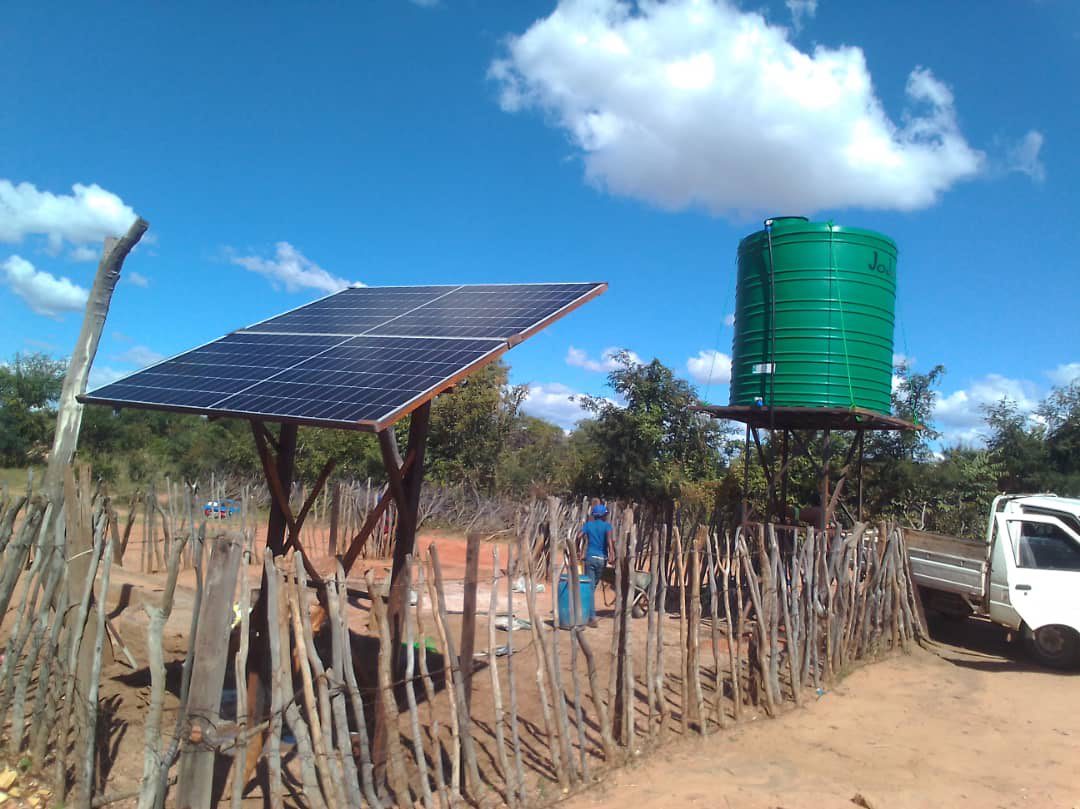
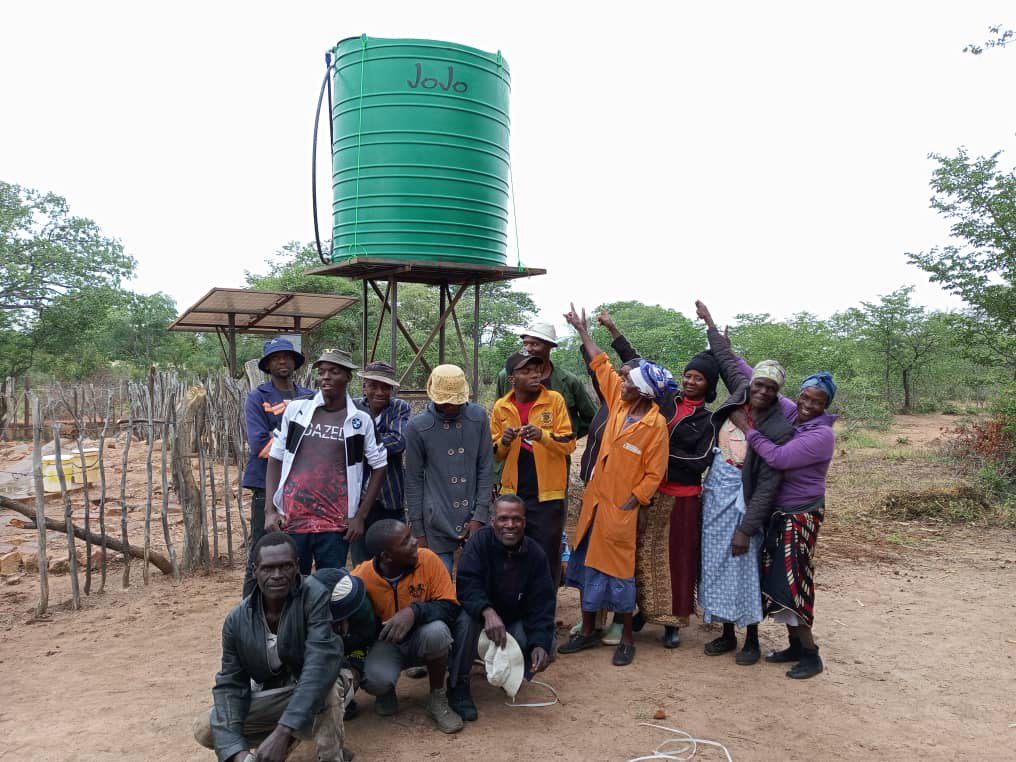
The community of Ngwana village in Bulilima has taken matters into its own hands by successfully installing solar power on four boreholes, in a bid to secure a reliable water supply for residents and their livestock.
The initiative, led by the Bana Bengwana Development Trust (BBDT), aims to cushion the impact of harsh dry seasons and strengthen local water resilience.
Speaking to CITE, project coordinator Tjidzani Mtshayeli said the community was determined to improve living conditions compared to previous generations. He described the solarisation project as the culmination of years of planning by the BBDT.
“Our long-term goal is to solarise nearly all the boreholes in the community,” Mtshayeli explained. “While we can’t achieve that overnight, we’ve submitted proposals to organisations that agreed to help us solarise four boreholes, which are evenly distributed across the area. The project costs about US$13,000, and so far, we’ve secured US$6,900 from our partners. We’ll be submitting a progress report to them by the end of this week.”
Mtshayeli said the borehole upgrades were crucial to tackling the annual water shortages the village faces in September and October, when the local dam typically dries up.
“Once the dam runs dry, livestock often get stuck in the mud trying to reach water. By solarising these boreholes, we’re creating real value for the community and making it easier for everyone to access water,” he said.
He credited the initial funding to Lucky Moyo, a community member based in the United Kingdom, who has been instrumental in mobilising resources for the project.
“Lucky Moyo is connected to other supporters and has helped secure much of the funding for this initiative,” Mtshayeli said.
He stressed that the long-term sustainability of the project rests with the community itself.
“We’ve set up local leadership structures to manage and maintain the infrastructure. If a solar panel or pump fails, the community is responsible for replacing it,” he said.
Mtshayeli also praised the residents’ hands-on contributions, noting they had built drinking points for livestock, purchased materials, and installed piping and tanks.
“The community’s efforts are vital to ensuring this project lasts well into the future,” he said.
We thank everyone who’s involved in all this project at ngwana rural area
Together as one i thank you