

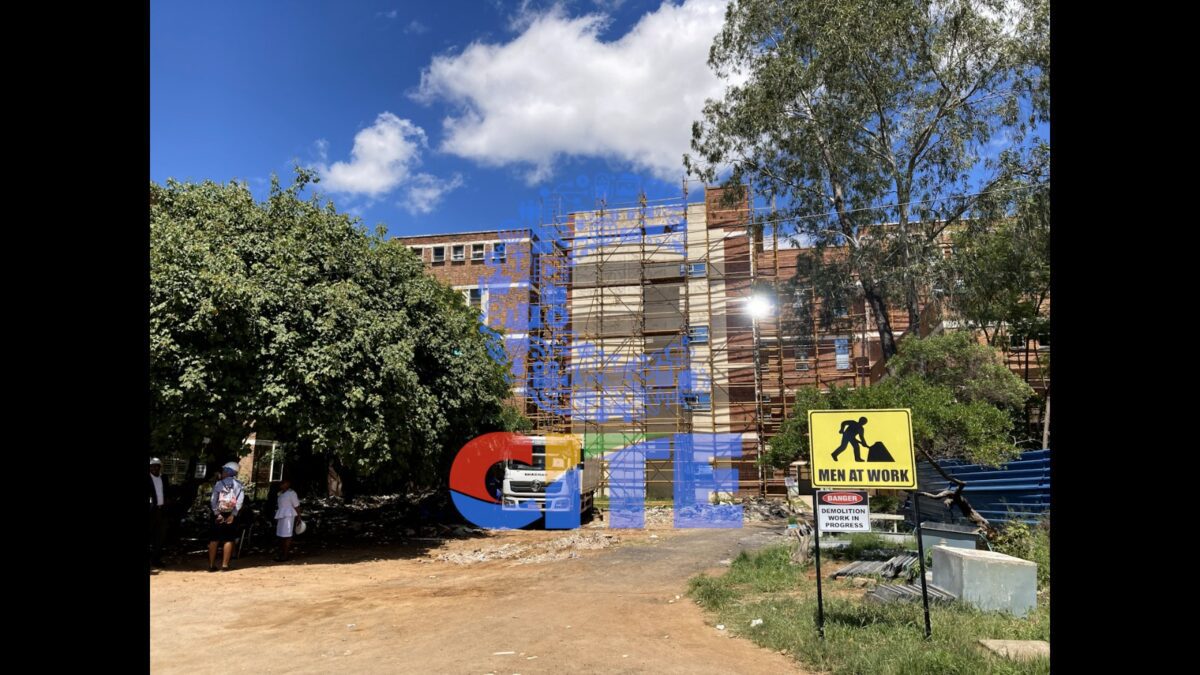
After decades of structural decay, chronic shortages and public outcry over deteriorating standards of care, Mpilo Central Hospital in Bulawayo has begun phased renovations under a government-led hospital modernisation programme, offering ‘some’ hope to patients and staff at one of Zimbabwe’s most symbolic public health institutions.
Construction work, which began with demolitions in October last year, has now entered its second month of active renovations within the hospital, according to Mpilo Acting Chief Medical Officer, Professor Solwayo Ngwenya.
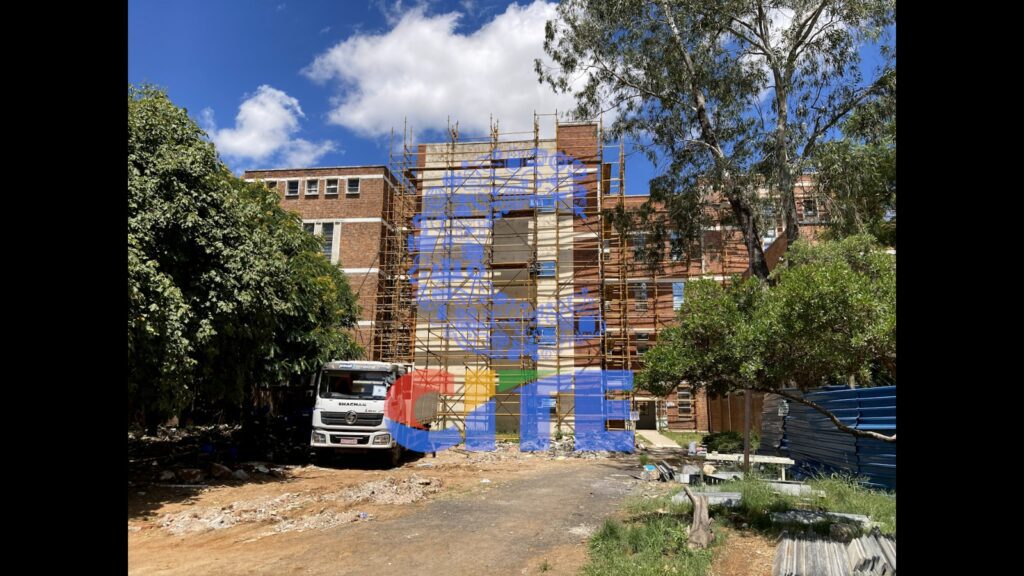
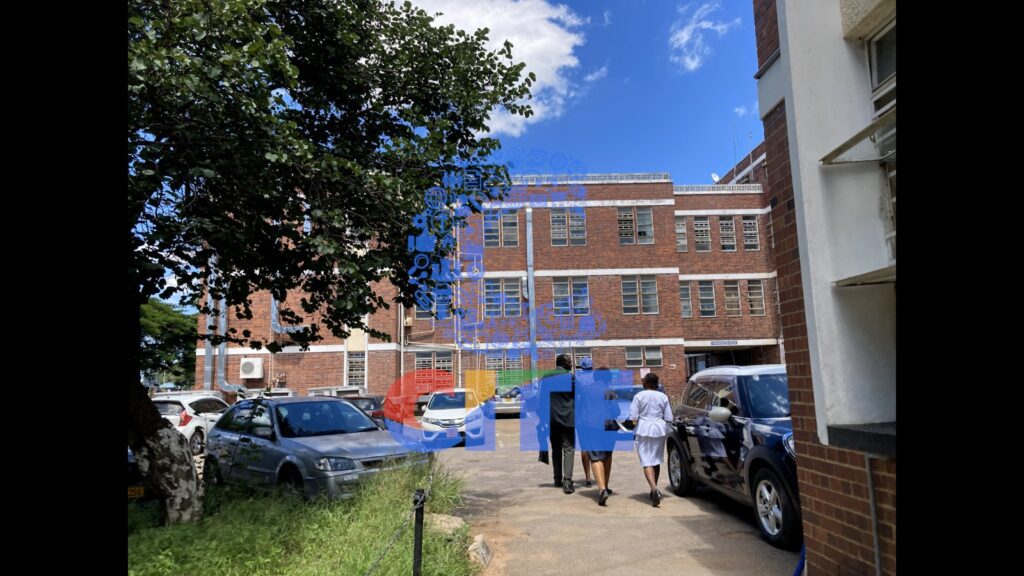
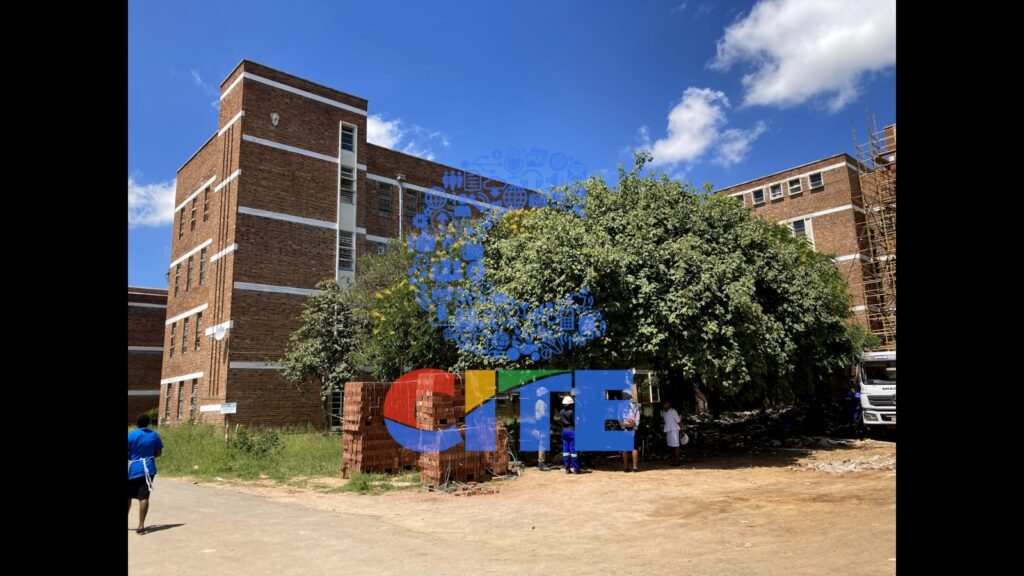
“As you are aware, Mpilo was built in the 1950s and the structures have become dilapidated and no longer fit for purpose,” Ngwenya said in an interview with CITE after seeing the renovation work.
“Some facilities, such as toilets, are no longer functional. The government, under the Presidential Scheme for Renovating, Upgrading and Modernising Hospitals and Healthcare Facilities, has now commenced work here.”
Mpilo was officially opened in 1958 and this year will be 68 years old, making much of its infrastructure incompatible with modern healthcare demands.
Over the years, relatives of patients have repeatedly shared testimonies, both online and offline, alleging fatal neglect, demoralised staff, overcrowding and critical shortages of basic medical supplies.
These accounts have fuelled renewed scrutiny of Zimbabwe’s public healthcare system, with Mpilo often cited as a symbol of systemic collapse, amid broader frustration that has also engulfed major referral hospitals such as Harare Central and Parirenyatwa.
At those institutions, doctors and nurses have staged repeated strikes over poor working conditions, low wages and severe drug shortages.
Against this backdrop, hospital authorities say the renovations at Mpilo mark a turning point.
Prof Ngwenya said the current works will be implemented in phases to minimise disruption to services.
“Right now they are working on C Block. Patients have been moved to other blocks and this phase is expected to be completed within six months,” he said.
“After that, work will move to B Block and then A Block, which includes casualty and the outpatient department. Public toilets will be addressed in the final phases.”
The acting CMO said the upgrades would significantly improve both patient care and staff morale.
“The hospital will be modernised into facilities that are up to standard. This will improve our working environment, our public image, and infrastructure such as toilets. Working in a decent environment motivates staff and ultimately improves service delivery,” Ngwenya said.
He thanked the authorities and President Emmerson Mnangagwa for prioritising the project. “Our patients should not lose hope. The government has a good developmental agenda for this hospital. At the end of this process, we are going to have a very good hospital that provides care in a setting fitting for the 21st century.”
Bulawayo Provincial Medical Director, Dr Maphios Siamuchembu, echoed these sentiments, noting that Mpilo’s ageing infrastructure could no longer support current population pressures.
“Mpilo Central Hospital was officially opened in 1958. That’s 68 years ago. Clearly, some of the infrastructure is no longer in keeping with today’s demands,” Siamuchembu said in a separate interview.
“These renovations are meant to bring the hospital up to speed with the population’s expectations of a central hospital in 2026, with the aim of improving service delivery and quality of care.”
He said the project aligns with the government’s Vision 2030 agenda, which envisions Zimbabwe becoming an upper-middle-income economy.
“The services we provide at Mpilo and elsewhere must reflect services rendered to an empowered society by 2030,” he said.
Mpilo’s decline has been particularly painful for many Zimbabweans given its storied past.
In its heyday, Mpilo hospital was ranked among the best in Africa, alongside Makerere Hospital in Uganda.
Mpilo attracted junior and senior doctors from across the world and was renowned for high-quality patient care and medical training.
Built during the Federation of Rhodesia and Nyasaland, Mpilo shares architectural similarities with Harare Central Hospital and Llewellyn Hospital in Kitwe, Zambia.
Situated next to Barbourfields Stadium in Mzilikazi, it once symbolised medical excellence in Southern Africa.
Public reaction to the renovation news has been mixed, welcoming, but cautious.
“Urgent priorities first. Hospitals need to be upgraded to reasonable standards,” one resident said in a Bulawayo North community group.
Another said, “Yes, Mpilo needs modern equipment. I was born there, and they still use very old equipment.”
Support CITE’s fearless, independent journalism. Your donation helps us amplify community voices, fight misinformation, and hold power to account. Help keep the truth alive. Donate today
Let’s hope the renovations will make the institution adorable to standards attained long back before this human engineered decline..