
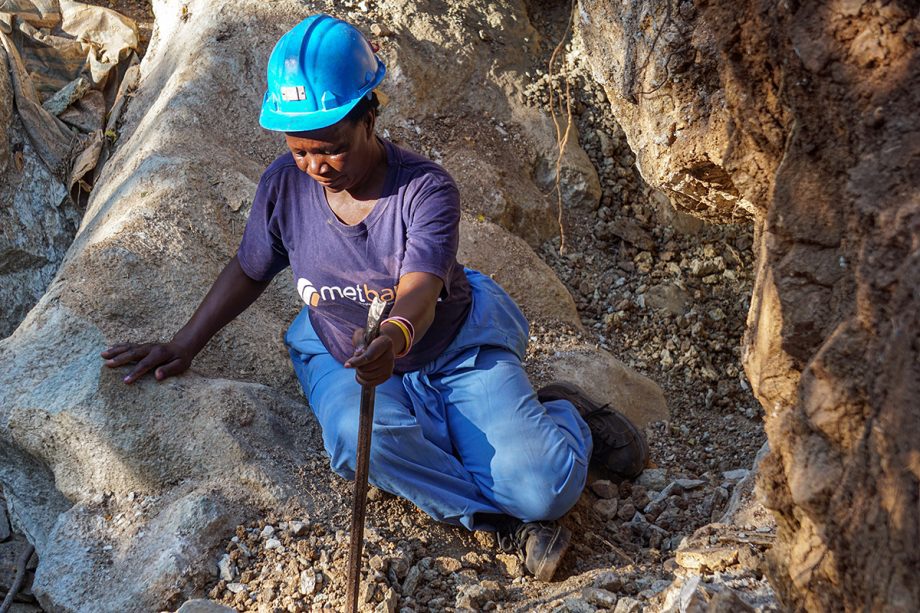
Women in mining-affected communities in Zvishavane are losing farmland, livestock and sources of income as mining activities contaminate water supplies and damage the environment, a new research report has found.
The report, Impact of Mining on Women’s Livelihoods in Zvishavane, Midlands Province, also documents sexual exploitation of women working in artisanal mining, exclusion from compensation processes and limited government oversight of mining operations.
The research was conducted by the Zimbabwe Gender Commission (ZGC) in partnership with the Centre for Natural Resource Governance (CNRG) under the Community Water Monitoring and Advocacy Initiative, launched in November 2025.
Researchers held four focus group discussions involving 48 women from mining-affected communities and conducted four interviews with institutional stakeholders, including officials from the Ministry of Mines and Mining Development, the District Development Coordinator’s office and traditional leaders.
On this topic
The findings show that mining activities have disrupted livelihoods traditionally sustained through farming, livestock rearing and informal trading, leaving many women struggling to support their families.
One woman from Ward 10 told researchers that water contamination had made nearby rivers unsafe for domestic and agricultural use, while livestock were dying after drinking from affected sources.
“Our water has been contaminated by chemicals from the mines. We can no longer drink river water or use it in our fields. Our livestock are dying after drinking this water,” she said.
The report identifies water pollution, destruction of wetlands, deforestation, dust pollution and abandoned mining pits as some of the major environmental concerns raised by women.
It also recounts an incident in which a child reportedly fell into an abandoned mining pit and sustained serious injuries.
Women are also facing economic losses as mining operations encroach on agricultural land.
One participant said she had lost her vegetable farming plot, which had provided income through sales at local markets.
“Our fields were taken by mines without compensation. I had a plot where I grew tomatoes and vegetables to sell at the market. Now I have nothing,” she said.
The loss of nearby water sources has also increased women’s domestic workload, forcing them to travel longer distances to access safe water.
A woman from Ward 15 told researchers that residents now had to walk about three kilometres to find clean water.
The research also highlights sexual harassment and exploitation of women involved in artisanal mining, with some reportedly facing pressure to accept sexual advances from men who control access to mining sites.
“Women have no rights in the mines. If we want to look for gold, we must accept unpleasant things from the men who control the mines,” one participant from Ward 10 said.
Beyond the loss of livelihoods, the report raises concerns about women’s exclusion from mining-related consultations and compensation arrangements.
It found that decisions were often made through traditional leadership structures without meaningful participation by affected women.
One woman from Ward 15 said her husband received compensation for land she had been cultivating, leaving her without any financial benefit.
“My husband received the compensation money. I didn’t get a single cent even though I was the one farming that land,” she said.
The report says widows and women heading households are particularly disadvantaged by compensation arrangements that prioritise male household heads.
It also identifies a gap between institutional accounts of mining regulation and the experiences of women in affected communities.
While government officials interviewed said environmental impact assessments and community consultations were conducted before mining operations began, women reported being excluded from these processes.
A Ministry of Mines official acknowledged that limited resources were affecting regulatory oversight.
“We conduct inspections as required by law, but our department is understaffed and underfunded. We have three inspectors for the entire district,” the official said.
The District Development Coordinator also cited resource constraints and possible political interference as challenges to enforcing existing regulations.
The researchers further found that women who attempted to report mining-related concerns often struggled to obtain assistance from government institutions.
Despite these challenges, women have established community-based support structures, including savings groups known as mukando, water monitoring committees and organisations such as the Zimbabwe Association of Women in Mining Activities (ZAWIMA).
These initiatives provide platforms for women to support one another, monitor environmental concerns and advocate for safer working conditions and greater participation in mining governance.
The report recommends stronger environmental monitoring, mandatory gender impact assessments before mining approvals, accessible grievance mechanisms and the inclusion of women in compensation negotiations.
It also calls for amendments to the Mines and Minerals Act to incorporate gender-responsive provisions and the development of a National Gender and Mining Policy.
The researchers say Zimbabwe’s constitutional and policy commitments to gender equality and environmental protection have not translated into adequate safeguards for women in mining communities.
They argue that mining activities should not come at the expense of women’s livelihoods, safety and dignity.






Leave a Reply