
By Ndumiso Tshuma
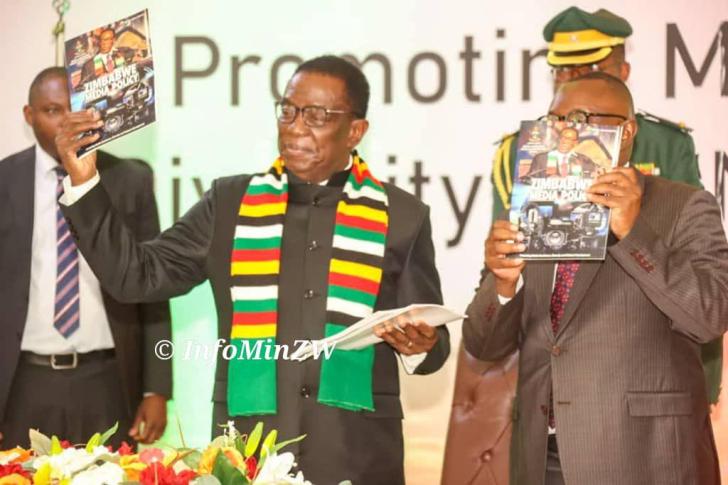
Zimbabwe’s newly launched national media policy has stirred debate among journalists, media scholars, and citizens, with critics questioning its commitment to press freedom and its relevance in the digital age.
Unveiled as part of the government’s Vision 2030 initiative which aims to transform Zimbabwe into an upper-middle-income country the policy outlines ambitions to foster a “vibrant, diverse, inclusive and professional media landscape” that promotes national values and empowers citizens.
The framework is built around six pillars: economic sustainability, digital transformation, media development and capacity building, media sovereignty and regulation, access to information and knowledge, and local content promotion.
However, media stakeholders argue the policy lacks practical direction and fails to reflect the evolving nature of the global media environment.
Speaking on This Morning on Asakhe, a daily current affairs programme hosted by CITEZW on X (formerly Twitter), Nigel Nyamutumbu, coordinator of the Media Alliance of Zimbabwe, said the policy appears outdated and disconnected from modern technological advancements.
“While it’s commendable that the country now has a media policy, it must align with constitutional principles such as freedom of expression and media freedom,” Nyamutumbu said.
“It does not adequately address emerging technologies like artificial intelligence or the shifting dynamics in information dissemination beyond traditional state broadcasting.”
He added that although the policy claims to promote digital and inclusive media, it lacks clear strategies to support that goal.
Economic concerns facing media professionals have also come under scrutiny.
Media scholar Mlondolozi Ndlovu acknowledged the policy’s proposal to establish a National Employment Council for the media sector as a positive step, but said it falls short in tackling the broader economic hardships journalists face.
“The policy mentions labour issues, but offers no real solutions to challenges around sustainability and viability in the sector,” Ndlovu said.
“It does not provide guidance on how the proposed employment council will cater to the needs of journalists, or how it will improve their working conditions.”
Ndlovu also criticised the policy’s silence on media criminalisation, urging a stronger emphasis on self-regulation and constitutional rights.
“There should have been clear commitments to ending the criminalisation of journalism and strengthening protections for press freedom,” he added.
At CITE, we dig deep to preserve the stories that shaped us—ZPRA Liberation Archives, the DRC War, and more. These are not just stories—they’re our roots. We don’t hide them behind paywalls. We rely on you to keep them alive. Click here to donate: https://cite.org.zw/support-local-news/





Leave a Reply