
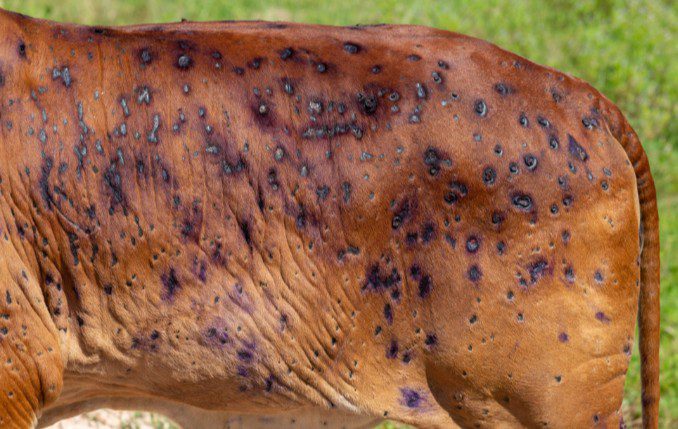
Cattle farmers in Lupane have been urged to urgently vaccinate their herds and isolate sick animals following outbreaks of blackleg and lumpy skin disease in parts of the district.
Former veterinary officer Nkululeko Ndlovu warned that delays in responding to suspected infections could accelerate the spread of the highly contagious diseases, threatening livestock and rural livelihoods.
“Farmers should expeditiously quarantine sick cattle, as this will prevent further spread of the disease,” he said. “Too often there is a delay in response, but isolating sick animals immediately is the most effective way to break the chain of transmission.”
He said communal farming areas are particularly vulnerable, as cattle often share grazing land and watering points, increasing contact between infected and healthy animals.
On this topic
Wards including Dongamuzi, Matshokotsha and Dandanda were identified as areas currently experiencing significant disease pressure.
Blackleg, a bacterial infection that primarily affects young cattle, can cause sudden death if untreated. Lumpy skin disease, a viral infection, leads to skin nodules, fever and reduced productivity. Both diseases can have serious economic consequences for farmers.
Ndlovu said vaccination should be treated as a routine preventative measure rather than a response to outbreaks.
“Farmers should treat dipping as a routine protective measure rather than an emergency action taken only when illness appears,” he said, referring to tick control practices that help reduce stress and secondary infections in cattle.
For many households in Lupane, cattle are a key source of income, draught power and long-term financial security. Ndlovu said protecting herd health was critical not only for individual farmers but for the wider community.
“Farmers should take good care of their livestock as it is their investment,” he said. “By monitoring herds closely for early signs of illness and taking decisive action, they protect the entire community herd.”




Leave a Reply