
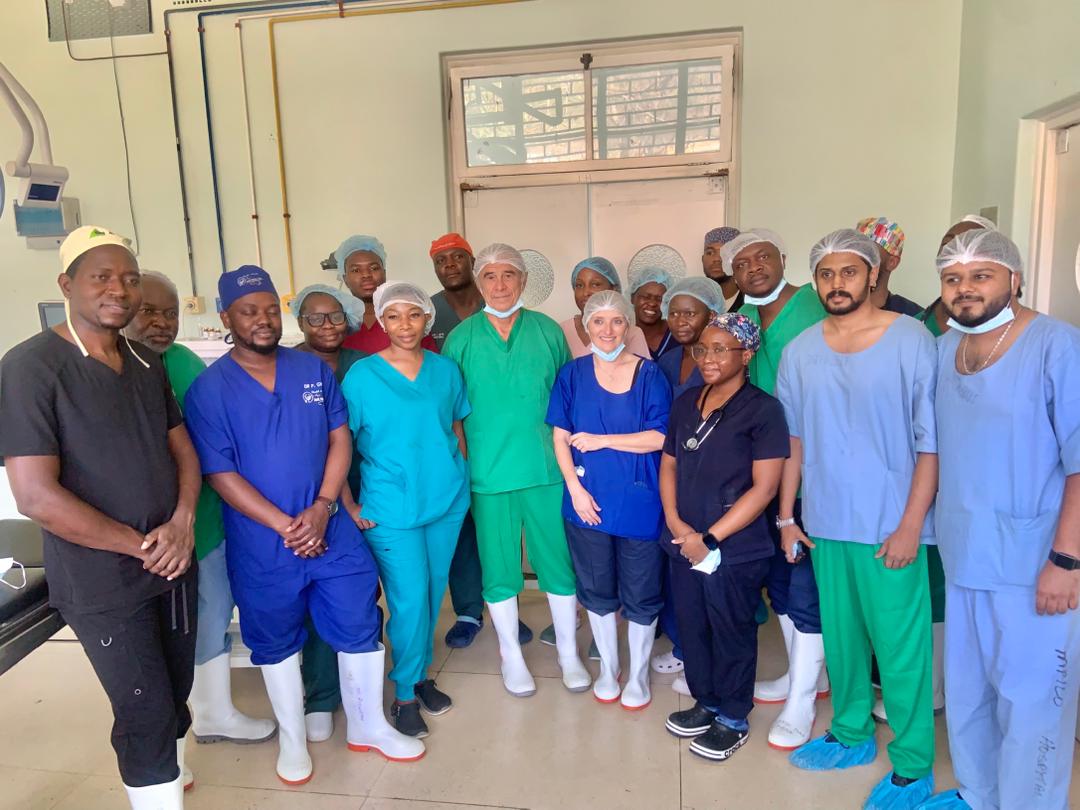
Mpilo Central Hospital in Bulawayo has performed its first-ever knee replacement surgery, marking a significant milestone for the public health institution and opening a new chapter in treating debilitating joint conditions in the region.
The complex knee arthroplasty was performed on Thursday under the tutelage of a veteran knee surgeon with five decades of experience, working alongside orthopaedic surgeons from Zimbabwe and Zambia.
The procedure was part of the Africa Marathon, an academic and surgical training initiative facilitated by Meril Healthcare Private Limited that brings together experienced international orthopaedic specialists and surgeons across Africa to exchange knowledge, demonstrate new techniques, and strengthen local capacity in hip and knee replacement surgery.
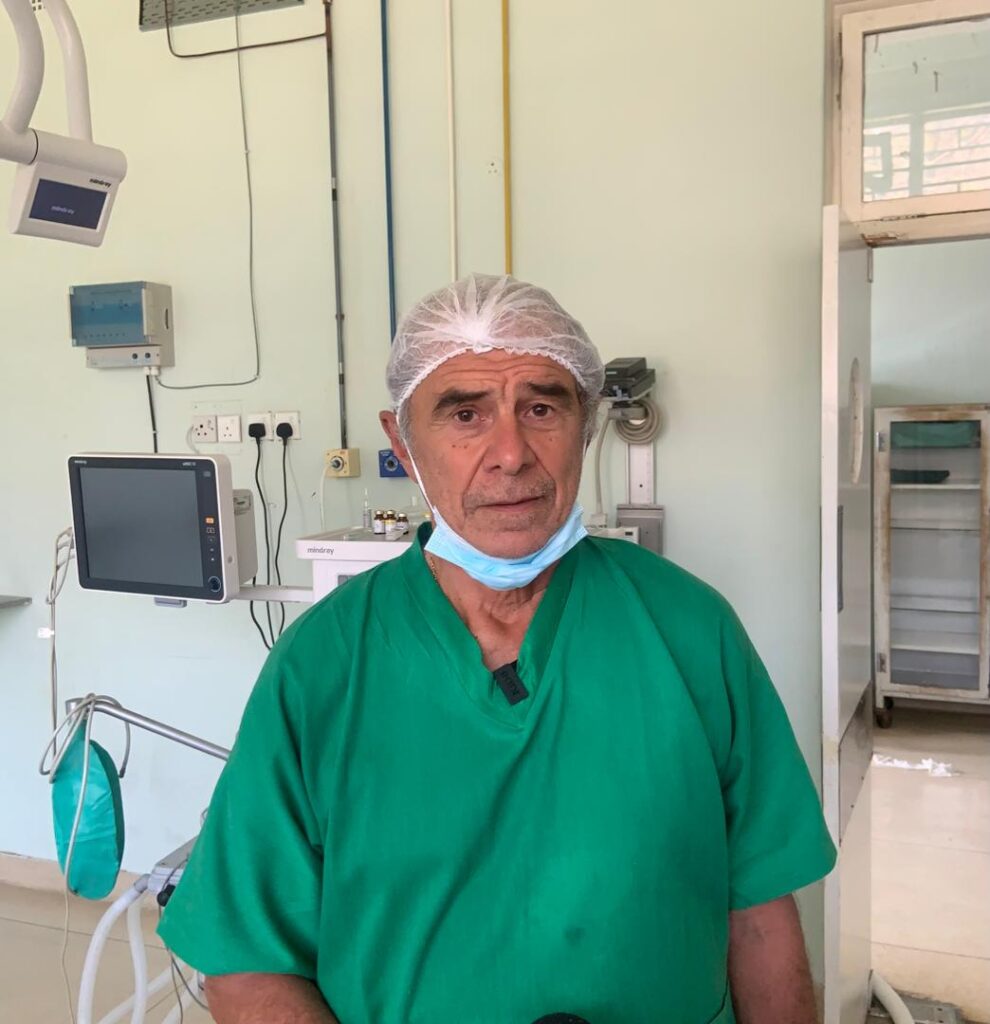
The operation done at Mpilo, where Prof Lelli working with his assistant Valentina Sangiorgi, provided local surgeons with an opportunity to acquire practical experience in a highly specialised area of orthopaedic surgery that could eventually benefit patients who currently have limited access to joint replacement services.
On this topic
Orthopaedic surgeon, Dr Prince Gwetu, who is based at Mpilo, said the surgical camp was a commendable transfer of specialised surgical knowledge that could shape the hospital’s orthopaedic services for years to come.
Mpilo had already performed two total hip replacements on Wednesday before moving to knee procedures on Thursday.
“Today we enter our second day of the camp. Yesterday we managed to do two total hip replacements, and today we have just done one complex knee surgery. Then we are planning to do another one in the afternoon,” Dr Gwetu said.
He said knee and hip replacement surgery could dramatically improve the quality of life of patients suffering from severe osteoarthritis and other debilitating joint conditions.
“The benefit of this is the patients will be pain free and be able to go back to work and then they are able to live an independent life which is pain free,” he said.
Dr Gwetu said the development was particularly important as Zimbabwe’s ageing population meant more people were likely to require treatment for degenerative joint conditions.
“Most of our elderly patients will be now retired and they are now staying mostly in the rural areas. So I think they are the ones which are going to benefit mostly from this operation, because one, they will be available in our local government hospitals, and then at an affordable price,” he said.
The presence of Prof Lelli also offered local surgeons an opportunity to learn directly from an international specialist rather than simply acquiring knowledge through textbooks or conferences.
Prof Lelli, who has specialised exclusively in knee surgery for 50 years, said the complexity of knee arthroplasty made specialised experience particularly important.
“I have been a knee surgeon for 50 years. My experience is only about the knee and I don’t do hip or ankle surgery because the knee surgery is very, very difficult,” he said.
Prof Lelli argued that surgeons should develop deep expertise in particular anatomical areas rather than attempting to specialise across multiple joints.
He added that even small technical errors during knee replacement can affect the outcome of the operation.
“Knee arthroplasty is like a train like a wheel, so we need to work very well and also one degree or two degrees of rotation is a mistake,” said the renowned surgeon.
Prof Lelli also stressed the importance of patience, experience and careful decision-making during surgery, cautioning against relying too heavily on technology at the expense of developing surgical skills.
“I am afraid of using robotics. I am afraid because if I use robotics, young surgeons cannot learn,” he said, noting that although technology has a role in modern orthopaedics, it should not replace the experience and judgement surgeons acquire through performing procedures themselves.
“Every patient needs a particular kind of surgery. If I use the same technique for every patient, this is a mistake. There is a different surgery, different operation, different arthroplasty, different physiotherapy, every patient needs a particular kind of surgery.”
The operation also served as a practical classroom for surgeons observing the procedure.
Prof Lelli said two surgeons worked directly with him during the operation, while several other doctors gathered around the operating table to observe and ask questions.
“For me to receive a question is very important, the interaction is very important,” he said, noting he explained each stage of the operation as it happened, allowing the participating surgeons to understand not only what he was doing but why particular decisions were made.
The Africa Marathon initiative is now in its third year and is conducted under the theme “Healing the Future.”
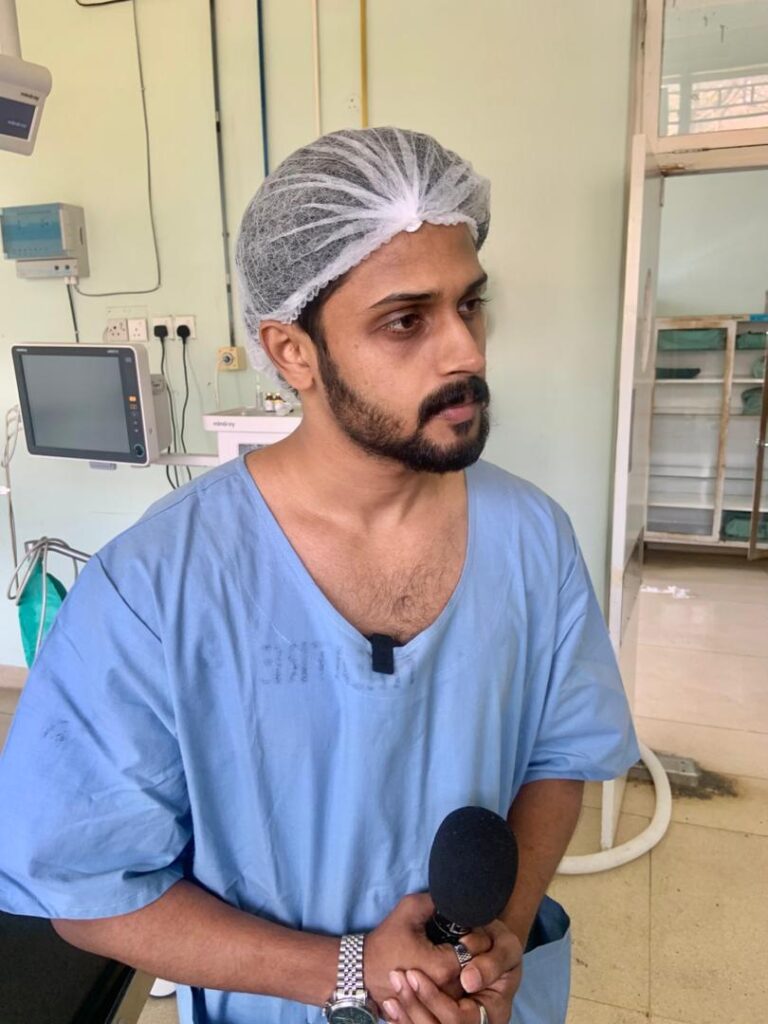
Sangeeth Sivan, Marketing Manager for Africa at Meril Healthcare Private Limited, said the programme was designed to expose African surgeons to contemporary techniques and technologies while increasing access to modern implants.
“We are trying to educate the surgeons in the country, to bring up the latest technologies, trying to make sure that the latest implants and everything is there in the country,” he said.
The initiative works in collaboration with the Zimbabwe Orthopaedic Association and combines surgical proctorship with academic learning.
Under the programme, international surgeons are brought into the country to perform operations alongside local doctors, allowing for hands-on training in knee and hip arthroplasty.
This is followed by a scientific symposium involving presentations, case studies, clinical papers and workshops.
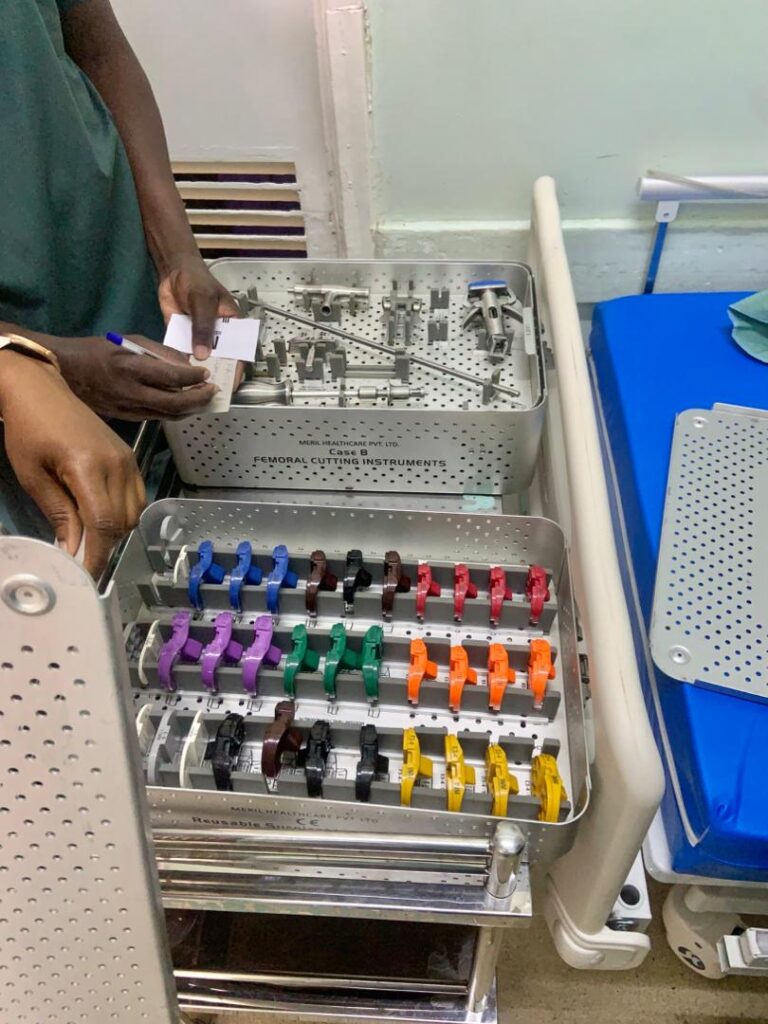
Sivan said the company had donated the implants used in the four surgeries performed during the current programme.
“Yesterday we had done two hip surgeries and today we have done two knee surgeries and we have donated all the implants for all the four surgeries for all the four patients,” he said.
The initiative will also be extended beyond Zimbabwe as Prof Lelli said the Africa Marathon would continue in Zambia in the coming month before moving to Namibia in November.
The programme has also brought together surgeons from different African countries, creating opportunities for regional exchange of expertise.
Prof Lelli said he had worked with the Meril team for five years and was pleased to see the programme expanding.
“I am very happy because I found in Meril a company that wants to learn, to grow up,” he said.
To Dr Gwetu, the local orthopaedist, the value of the programme extends beyond the individual operations performed during the surgical camp.
He said the exposure had expanded the knowledge base of local surgeons while also introducing them to different implants available in Zimbabwe.
“Lelli brought in some immense knowledge to add to our currently existing knowledge. And also the implants they came with are a bit different from the ones which we are used to,” Dr Gwetu said.
“It means at the end of the day our local surgeons will be having vast experience in terms of the different types of implants which can be used, which are available in our market.”
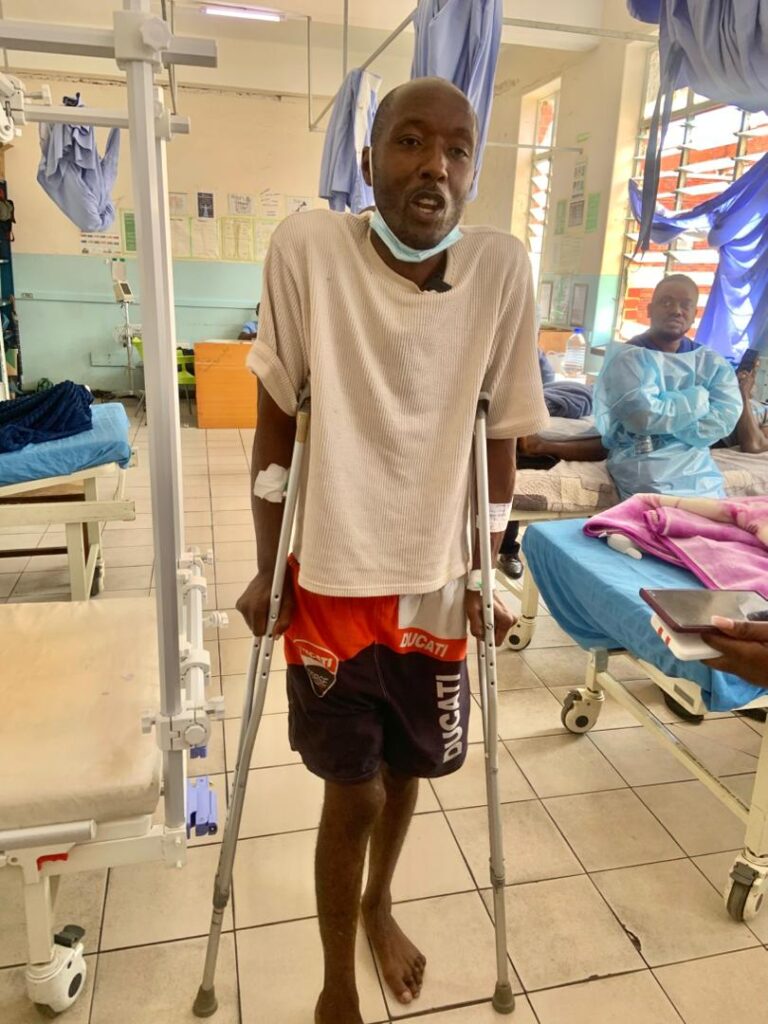
Among the beneficiaries of the surgical camp was 36-year-old Marvelous Ndofa from Entumbane, who underwent hip replacement surgery on Wednesday after suffering an injury while playing social soccer.
Ndofa said the operation represents the possibility of returning to the ordinary routines that had been disrupted by pain and injury.
“I hope to return to work doing odd jobs to support my mother and child and continue my daily activities and eventually play soccer again,” he joked.









Leave a Reply