
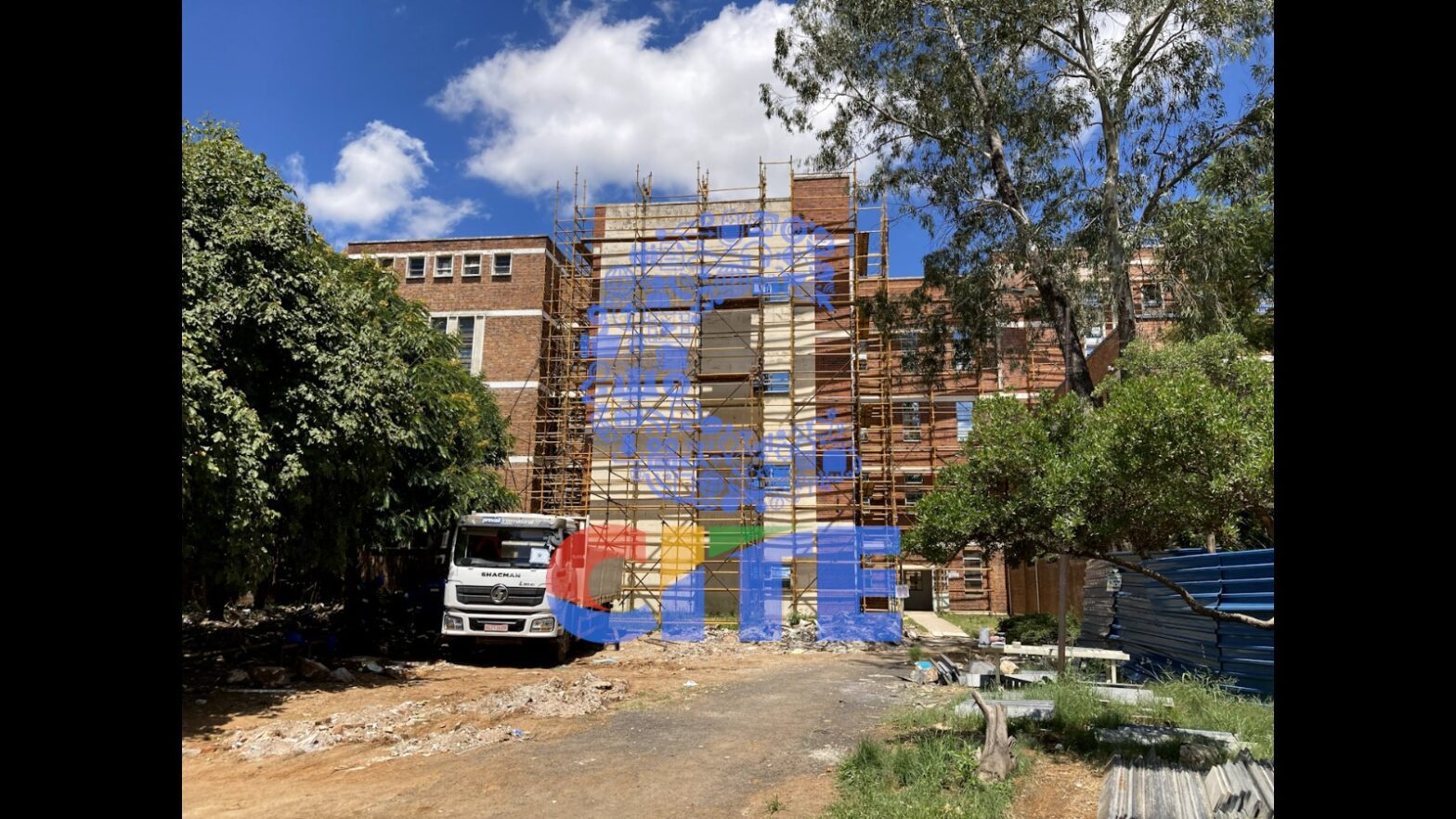
The Zimbabwean government says it is accelerating efforts to modernise hospital infrastructure, with a stronger focus on climate resilience and safer medical waste management.
Presenting a ministerial statement in Parliament, Deputy Health and Child Care Minister Sleiman Timios Kwidini said nationwide assessments had exposed weaknesses in infrastructure, particularly around waste disposal systems and unreliable energy supplies.
“Recent assessments, including those I conducted, together with the ones undertaken by the Deputy Minister in Matabeleland North and Matabeleland South, have provided us with an appreciation of conditions on the ground,” he said.
“These visits have been instrumental in informing our priorities and ensuring that our interventions are responsive, targeted and results-oriented. While these assessments confirm the need to upgrade parts of our infrastructure, Government has already moved decisively from assessment to implementation.”
On this topic
Kwidini said that under the Presidential Hospital Rehabilitation Programme, authorities were refurbishing central and provincial hospitals while integrating renewable energy systems and improved waste disposal mechanisms.
“Our focus is on practical solutions that improve service delivery, enhance patient safety and create a conducive work environment for our health personnel,” he said.
He added that the programme includes infrastructure refurbishment, equipment upgrades and service delivery improvements aimed at ensuring major referral institutions meet current healthcare demands.
Targeted rehabilitation works are also under way at district and provincial hospitals, including the refurbishment of wards and operating theatres, roof repairs, and upgrades to water, sanitation and electrical systems.
The deputy minister said priority projects include the completion of Lupane Hospital, which is expected to begin offering outpatient and maternity services once operational.
On waste management, he said the government was rehabilitating and installing incinerators at district hospitals to ensure environmentally compliant disposal of medical waste.
In parallel, the Ministry of Health is expanding a solarisation programme, with more than 1 100 health facilities now powered by solar energy.
“This intervention is improving service continuity, particularly in rural and remote areas,” Kwidini said, adding that the move would reduce dependence on inconsistent national electricity supplies and lower the health sector’s carbon footprint.
He said the government was also prioritising staff accommodation as part of infrastructure development, particularly in rural areas.
“By improving living conditions for health workers, especially in rural areas, we are enhancing our ability to attract and retain critical skills,” he said.
In addition, the ministry is rehabilitating and reopening nursing schools at selected district hospitals while identifying new training sites to strengthen the health workforce pipeline.







Leave a Reply