
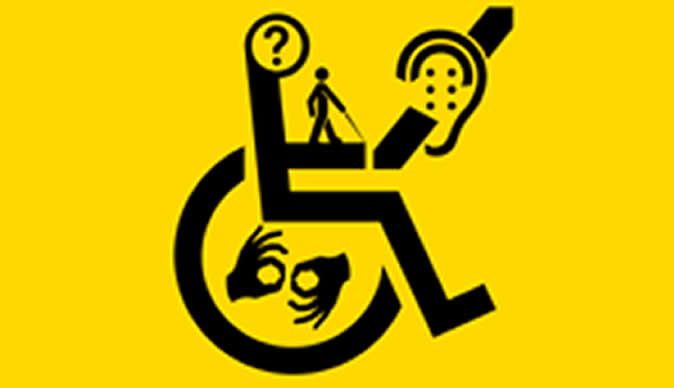
Many people with disabilities in Zimbabwe are left behind in the country’s digital transformation as poor implementation of inclusion policies, limited access to technology and internet services, and inaccessible public information continue to lock them out of opportunities available to others, disability advocates have said.
The concerns were raised during a Digital Rights Academy workshop organised by Paradigm Initiative and the Bulawayo Progressive Residents Association in Bulawayo last Thursday, where participants highlighted the barriers preventing people with disabilities from fully participating in the digital world.
Prominent disability rights activist, Sukoluhle Mhlanga, said while government policies recognise the importance of digital inclusion, little has been done to translate those commitments into practical interventions.
“When it comes to people with disabilities, the government is good at coming up with ideas on how we can be included and taught how to use digital tools so that we become digitally literate. The problem is that these ideas are rarely implemented,” Mhlanga said.
On this topic
“As a result, people with disabilities continue to be left out and are unable to benefit from digital opportunities.”
Mhlanga said the failure to implement digital inclusion programmes has left many people with disabilities without the skills and opportunities needed to participate in an increasingly technology-driven society.
Participants also highlighted the lack of early exposure to technology among children with disabilities, saying this continues to limit their ability to develop digital literacy from a young age.
Thembelihle Ndlovu said many children with disabilities remain isolated at home instead of receiving opportunities to access education and technology.
“Very few people with disabilities are actually exposed to technology. When you have a child with a disability, you often find that families tend to keep them at home instead of exposing them to learning opportunities,” she said.
Ndlovu added that access to digital education often depends on a family’s financial circumstances.
“I once worked on a project on digital inclusion for people with disabilities and we found that only children from well-off families are taken to schools like King George VI and other similar programmes. Very few children with disabilities get that exposure to technology,” she said.
Participants said digital exclusion extends beyond education to the way information is communicated, particularly for people with hearing impairments.
Simangelo Sibanda said most digital content, including videos and public information campaigns, is produced without considering the needs of deaf people.
“When we look at how we package our videos and information, it often does not cater for deaf people in general,” he said.
Sibanda noted that the absence of sign language interpretation at public events and in official communication continues to prevent deaf people from accessing important information.
“Most programmes do not have sign language interpreters, and because of that, deaf people are always left behind when it comes to accessing information,” he said.
Access to affordable internet also emerged as a major concern, with participants saying many communities have few or no public connectivity points.
Dione Gowero said residents in many high-density suburbs rely on a single public Wi-Fi hotspot because they cannot afford mobile data.
“We have no Wi-Fi hotspots in our communities. In my community in Ward 20, there is only one place with Wi-Fi and that is near the councillor’s office. This is where young people go because they cannot afford the internet,” she said.
However, Gowero said even where public internet facilities exist, they are often physically inaccessible to people with disabilities.
“When you look at a person with a disability, you start asking how they are supposed to get there and whether the place is accessible. In Nkulumane 12, where I stay, the councillor’s office is on a hill, and if I am in a wheelchair, I cannot access it,” she said.
Participants said achieving meaningful digital inclusion requires more than expanding internet coverage.
They called for deliberate implementation of disability-inclusive policies, improved accessibility standards, affordable internet access, sign language interpretation, and greater investment in digital literacy programmes targeting people with disabilities.
They argued that unless accessibility is integrated into digital infrastructure, education and public communication, many Zimbabweans with disabilities will continue to be excluded from opportunities increasingly delivered through digital platforms.







Leave a Reply