
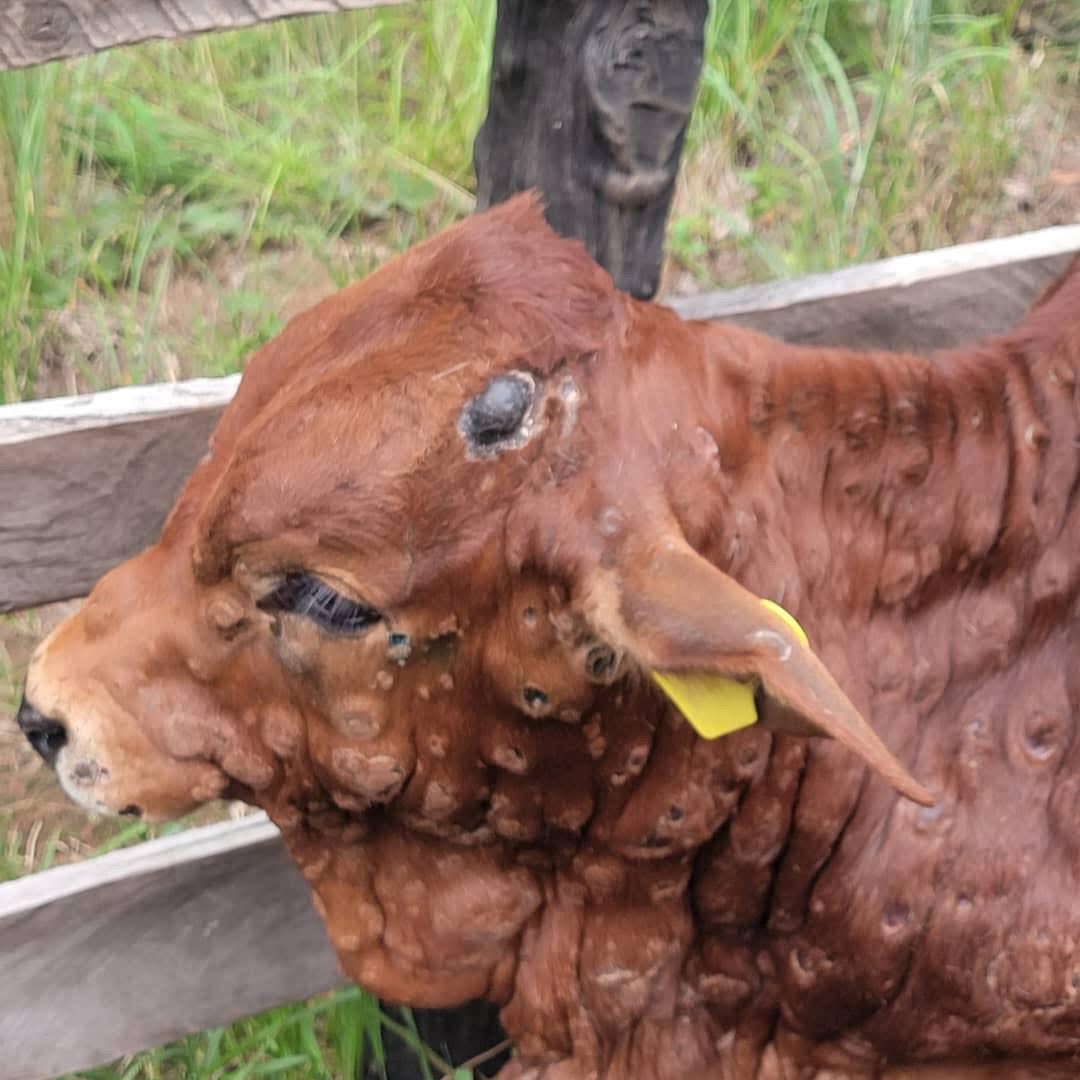
Farmers in Nkayi and Tsholotsho districts say a surge in January disease and lumpy skin disease is killing cattle and deepening hardship, as pressure mounts on the government to make prevention measures more affordable and accessible.
In separate interviews, three farmers described mounting losses and uncertainty over how to manage the outbreaks, which they say have worsened following heavy rains that have increased tick infestations.
“I lost three cattle, including a breeding bull,” said Libion Mfula, a farmer from Singwangombe in Nkayi. “They developed lumps all over the body, swollen legs, stopped eating and eventually died. We had to burn the carcasses. That is a total loss because you cannot consume the meat.”
Lumpy skin disease is a viral infection that causes nodules on the skin, fever and swelling, while January disease – also known as theileriosis – is spread by ticks and can be fatal if not treated early.
On this topic
In Simbo village, another farmer, Thokozani Dube, said a lack of information was compounding the crisis.
“We hear about January disease and lumpy skin, but we do not really know what chemicals to use or when to act. Our communities are too far from town and we do not have radios, so by the time you realise, it is too late,” she said. “We need workshops in the villages so that we understand how to prevent and treat these diseases.”
In neighbouring Tsholotsho, Bekithemba Sibanda said even farmers who understood the risks were struggling to afford dipping chemicals.
“Even if you know what to do, the chemicals are too expensive. Many of us cannot afford them, so cattle go for long periods without dipping,” he said.
Livestock are a critical store of wealth in rural Zimbabwe, providing draught power, income and a safety net for households. The loss of cattle can therefore have devastating economic consequences.
The concerns have also been raised in parliament. Legislator Josiah Makombe recently warned that January disease was now prevalent across the country and asked what the government was doing “to come up with a vaccine to inoculate cattle”.
Another MP, Spencer Tshuma, questioned the affordability of prevention measures, saying five litres of dipping chemicals cost about US$20 in Zambia, compared with between US$80 and US$100 locally. He described the situation as “quite painful for the farmers”.
Responding in parliament, the Minister of Lands, Agriculture, Fisheries, Water and Rural Development, Anxious Masuka, attributed the surge in cases to increased rainfall.
“January disease was prevalent because there were too many ticks… due to heavy rains,” he said.
He said the government was promoting intensive dipping cycles under what he called the “5-5-4” programme, designed to protect cattle during high-risk periods. Authorities had also distributed tick grease, conducted livestock loss assessments and were scaling up vaccination efforts to protect the national herd.





Leave a Reply