
Bulawayo’s Provincial Civil Protection Committee is reviewing and updating its disaster risk contingency plan to strengthen preparedness and response mechanisms amid concerns over anticipated Super El Niño conditions.
The review seeks to ensure that the Bulawayo Metropolitan Province is adequately prepared to manage emerging risks, including prolonged dry spells and below-normal rainfall, which could affect water availability, public health, livelihoods and the general socio-economic well-being of communities.
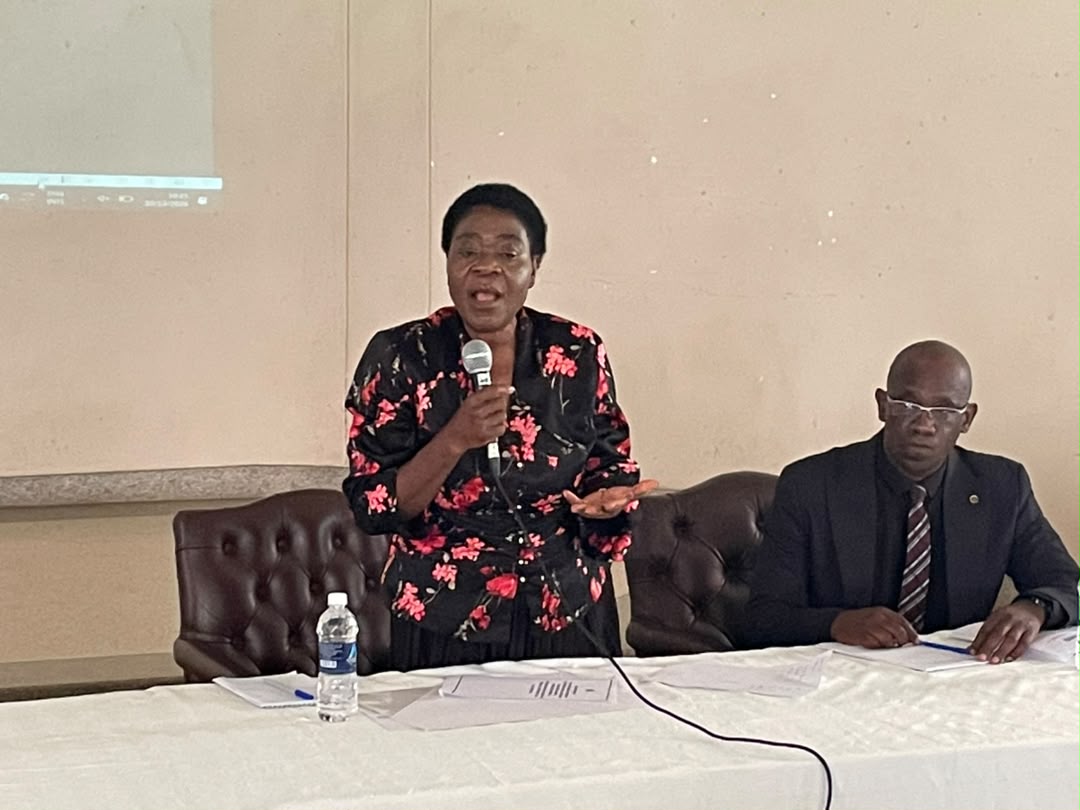
Speaking during the review and updating of the provincial contingency plan, the Minister of State for Provincial Affairs and Devolution for Bulawayo Metropolitan Province, Judith Ncube, said the exercise was necessary to ensure that disaster preparedness measures remained relevant to the province’s evolving risk landscape.
“The Provincial Contingency Plan was last updated in April 2025 and given the evolving disaster risk landscape and the anticipated climatic conditions it is imperative that we revisit the plan to ensure that it remains relevant, responsive and aligned with the current realities and emerging risks facing our province,” she said.
On this topic
Minister Ncube said disaster management required proactive planning and risk assessment rather than waiting for emergencies to occur before putting response mechanisms in place.
“As a province we must recognise that disasters are not merely events to be managed when they occur. Rather, they require deliberate preparation, risk assessment and the establishment of effective response mechanisms well in advance,” she said.
The review comes amid concerns over the possibility of a Super El Niño event, which could bring prolonged dry spells and below-normal rainfall, placing pressure on water supplies and threatening vulnerable communities.
She urged stakeholders to prioritise water conservation and management, protection of vulnerable communities, safeguarding livelihoods and public awareness as part of preparedness measures.
The review will also assess available resources, identify capacity gaps and establish additional human, material, technical and financial requirements needed to support effective disaster preparedness and response.
Minister Ncube said effective disaster management depended on cooperation among government ministries, departments, agencies and other stakeholders, adding that no single institution could adequately address disasters in isolation.
“Our collective effectiveness will therefore depend on clear communication, timely information sharing, efficient resource utilisation and the avoidance of duplication of efforts,” she said.
“I urge institutions here present to critically examine existing arrangements, identify weaknesses and propose practical solutions that could be implemented using available resources. The outcome of this review should translate into practical interventions to protect lives, livelihoods, property and critical infrastructure.
“The protection of our communities is a shared responsibility and preparedness is a collective investment in the safety and resilience of our province.”






Leave a Reply