

Bulawayo’s once-vibrant public parks and recreational facilities have deteriorated significantly, worrying residents and underscoring broader infrastructural challenges facing the city.
Spaces that were once well-maintained with lush lawns, functioning fountains and active community life have largely become dry, dusty and underused. Among the most affected are community parks in Nketa and Mpopoma as well as Centenary Park in the city centre, once key social hubs for families and youth.
Centenary Park’s fountain, historically one of the city’s signature attractions, has stood broken for years, reflecting the decline of recreational amenities. However, the fountain outside Bulawayo City Council’s City Hall is now being rehabilitated.
In high-density suburbs, swimming pools and youth centres that once offered safe spaces and structured activities for young people have also fallen into disuse, residents say.
On this topic
“Back in the early 1990s, these parks were beautifully maintained. We used to gather for events like the Christmas lights in Nketa. It was something everyone looked forward to. Now that sense of community is gone,” said Thandiwe Ncube, a resident of Nketa.
Others have warned that the collapse of recreational facilities is contributing to rising social problems. “Swimming pools and youth centres used to keep young people busy. Now many just loiter with nothing to do. Council needs to act,” said Never Sigogo.
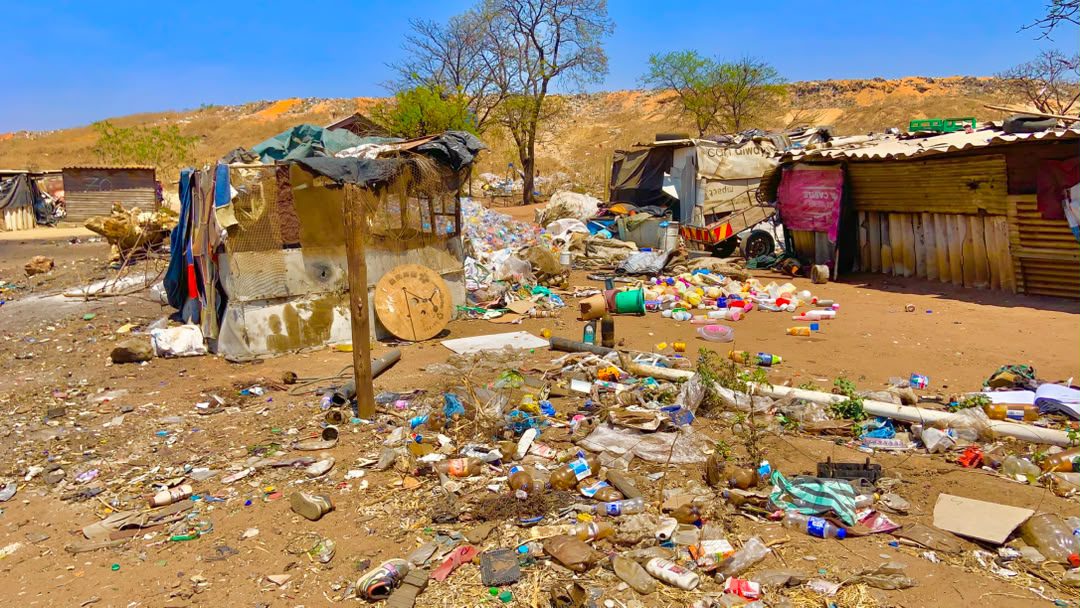
A recent assessment of several sites revealed that some parks have become hotspots for criminal and anti-social activities, including drug use and prostitution, further deterring families and residents from using the spaces.
City officials attribute the decline largely to infrastructure failures and resource shortages. Bulawayo relies on reclaimed water from the Thorngrove sewage treatment plant to irrigate parks and maintain greenery, but the plant has reportedly been non-functional for an extended period, leaving lawns and gardens without adequate water. Ageing and damaged pipelines have worsened the situation, and although replacement works are underway, progress has been slow.
The water challenges have not only affected parks but have also extended to major facilities such as Barbourfields Stadium, which depends on the same irrigation system.
In response to public concern, city authorities say some efforts are being made to gradually restore parts of the city’s greenery. Plans are in place to replace ageing and potentially hazardous street trees, with nurseries cultivating species such as jacaranda, African mahogany and pine.
However, residents argue that tree replacement alone will not be enough. They are calling for a comprehensive rehabilitation plan that includes restoring water systems, repairing recreational infrastructure and reactivating community programmes.
Urban planning experts note that functional public spaces play a critical role in social cohesion, mental well-being and crime prevention, making their restoration essential for the city’s future.
Last week, Bulawayo Mayor David Coltart met with the United States Ambassador to Zimbabwe, Pamela Tremont, to discuss unlocking commercial opportunities and addressing infrastructure bottlenecks that have long constrained the city’s economic recovery.






Leave a Reply