
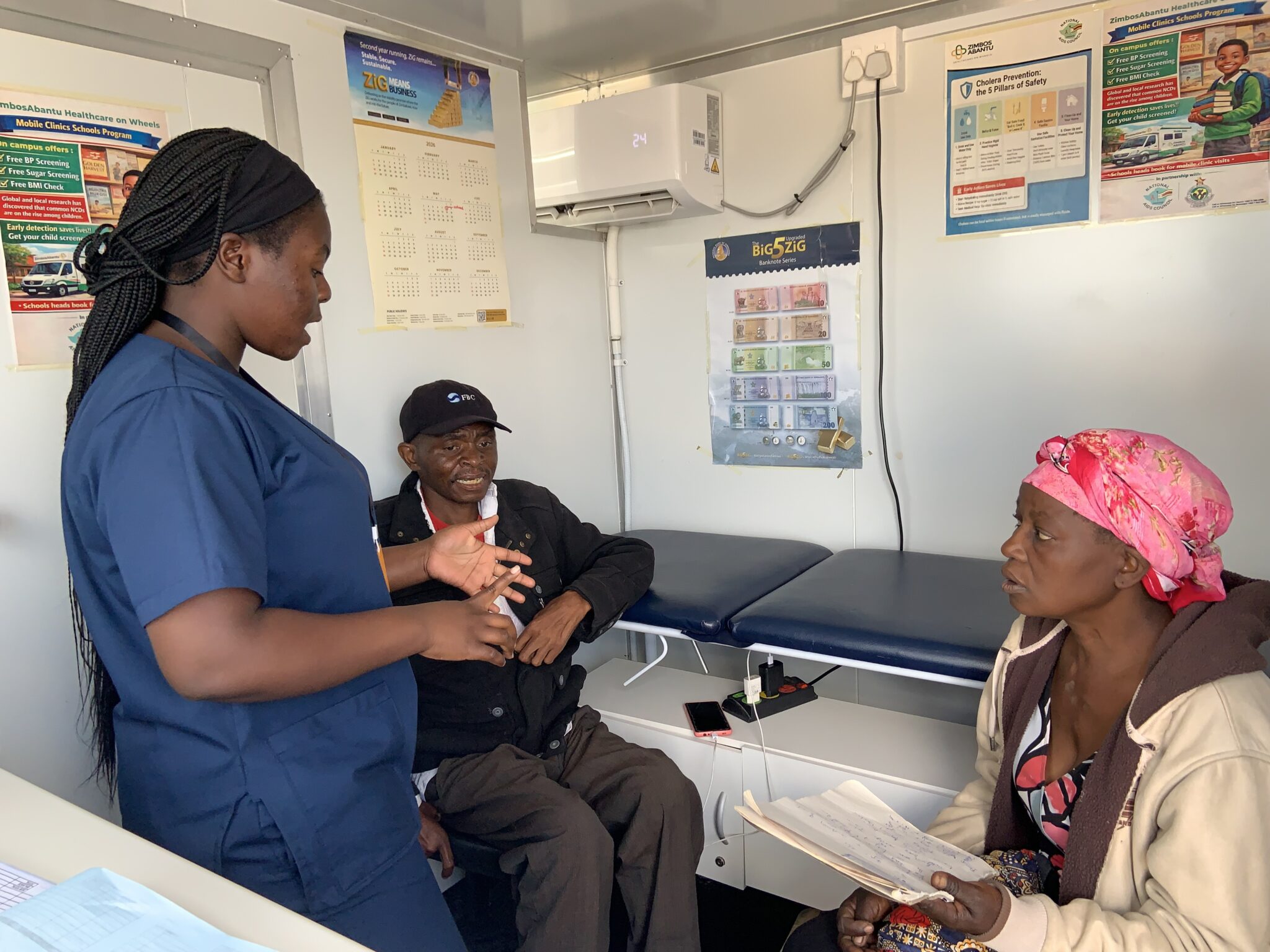
Thousands of residents in underserved communities in Bulawayo are accessing free healthcare services through mobile clinics funded under the National AIDS Council’s (NAC) social contracting programme, a model that is improving access to treatment and helping vulnerable households save significant amounts of money.
Zimbos Abantu Healthcare on Wheels Founder and Chief Executive Officer, Tawanda Mushawedu, says the initiative has reached nearly 8 900 patients since August last year, providing free medical consultations, screenings and treatment while integrating non-communicable diseases (NCDs) into HIV healthcare services.
The programme forms part of NAC’s social contracting strategy, which seeks to support community-based organisations with a comparative advantage in delivering services that contribute towards Zimbabwe’s goal of ending AIDS as a public health threat by 2030.
Read background here: https://cite.org.zw/nac-brings-healthcare-closer-to-byos-communities-with-mobile-clinics/
On this topic
Speaking during a media tour of the facility on Monday in Bulawayo, Mushawedu said Zimbos Abantu was focusing on primary healthcare delivery for communities who have limited access to health facilities or where existing facilities are overwhelmed by population growth.
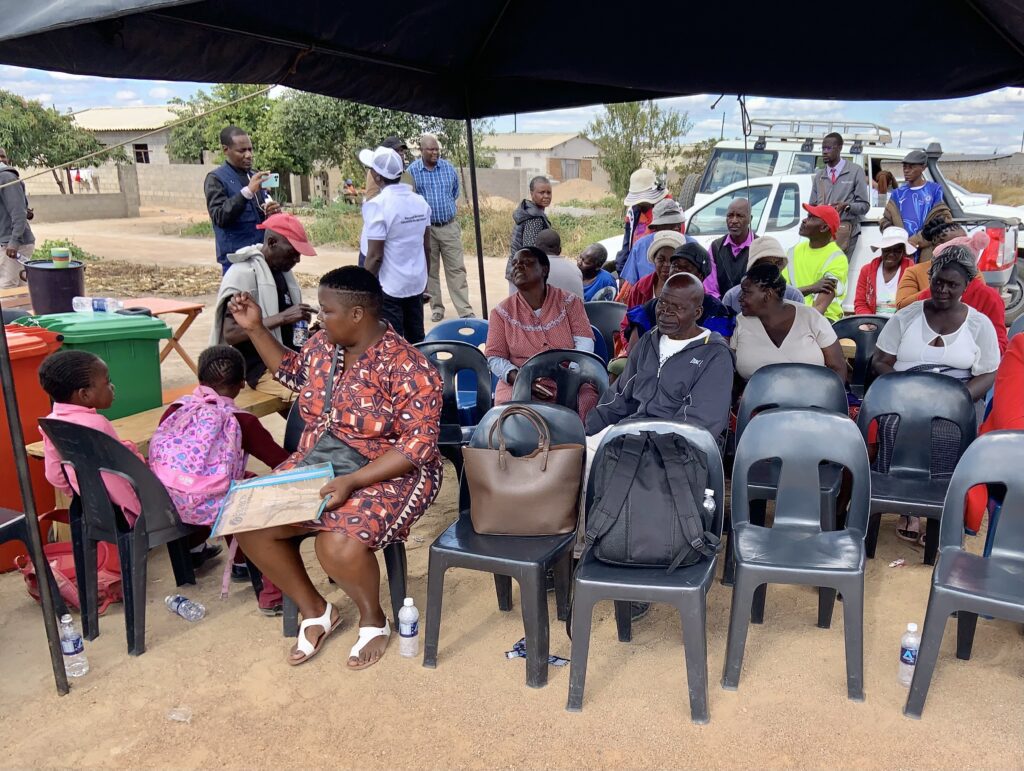
“We focus on providing primary healthcare to communities that are often left behind, either because there is no public health facility at all or because the available facilities are insufficient for the population they serve,” he said.
He cited Cowdray Park in Bulawayo as an example of a rapidly growing suburb whose healthcare needs exceed the capacity of existing facilities.
“In Cowdray Park, there is a public health facility, but the population is too large for one facility. The population is officially around 78 000 people and they only have access to one public health facility. Zimbos Abantu is coming in to bridge that gap that currently exists in some of these communities,” said Mushawedu.
Under the partnership with NAC, the organisation is implementing a programme that integrates HIV services with screening and management of non-communicable diseases such as hypertension, diabetes, asthma and certain cancers.
“NAC came up with this programme together with Zimbos Abantu to focus on the relationship between these conditions and then manage them at the local level,” he said.
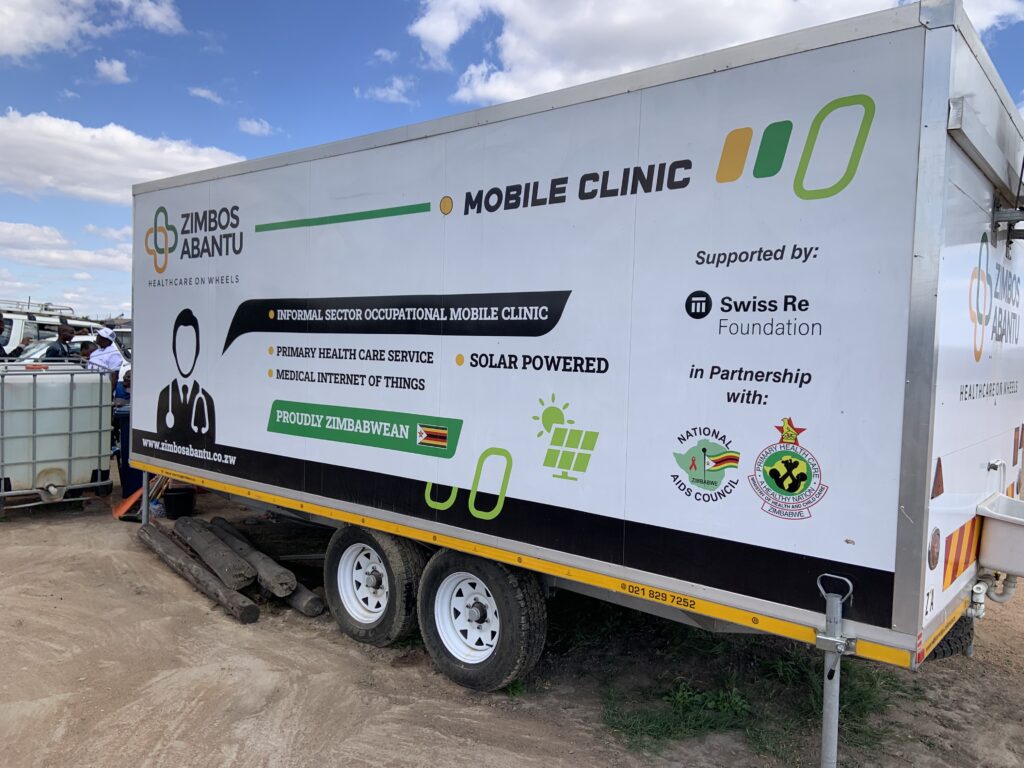
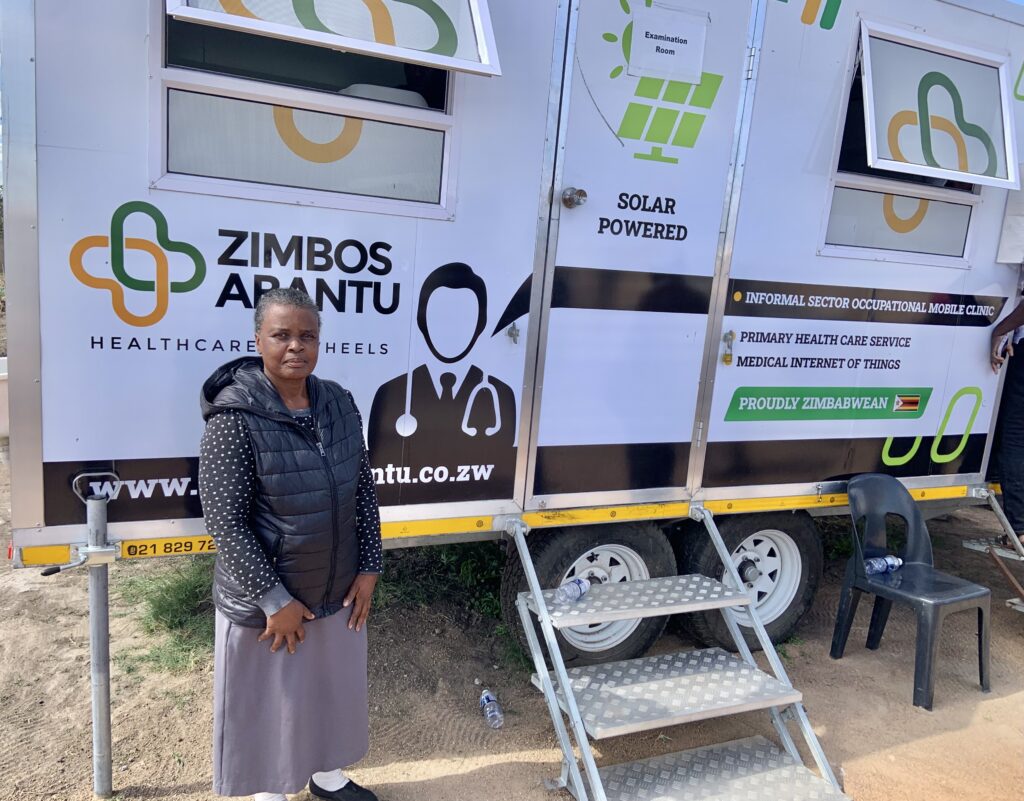
Zimbos Abantu currently operates 12 mobile clinics nationwide, with four supported under the NAC programme.
Two of these are based in Bulawayo, serving communities in Cowdray Park and Emganwini.
Mushawedu said the impact of the programme has been substantial since the partnership began in August 2025.
“We started our partnership with the NAC in August last year and we have had a tremendous run when it comes to impact. From August until today, we have reached about 8 900 patients receiving free medical consultations,” he said.
He explained beneficiaries would ordinarily spend around US$15 for a consultation at a private healthcare facility.
“So they are saving US$15 on medical consultation, which is a huge amount for our communities.”
According to Mushawedu, the programme demonstrates how resources generated through Zimbabwe’s AIDS Levy can directly benefit communities while strengthening the national HIV response.
“Social contracting is providing safety nets for underserved communities, particularly unemployed and self-employed individuals. If you multiply US$15 by 8 900 consultations, it shows the scale of savings communities are making through the proper use of the AIDS Levy,” he said.
Beyond consultations, the mobile clinics offer a range of free screening services that would otherwise cost patients money.
Mushawedu said more than 5 000 people had undergone free blood sugar screening through the programme.
“Ordinarily, someone would need to pay for screening or purchase equipment such as a glucometer and glucose strips. Through NAC support, communities are avoiding these costs. If someone went to a pharmacy for similar screening, they would pay about US$3.”
The programme has also provided free blood pressure checks to more than 10 000 people.
“If you go to a pharmacy and want your blood pressure checked, you may pay between 50 cents and a dollar. We have screened more than 10 000 people for blood pressure. That is another saving left in the pockets of recipients of care,” he said.
Sexually transmitted infections (STI) screening services are also offered free of charge, with more than 500 people tested during the reporting period.
“We see a significant number of key populations coming through for STI screening. If people sought these services privately, they would pay around US$3 for the tests. Again, this is money that remains available for other needs, including medication,” he said.
The programme has also expanded access to prostate cancer screening, particularly for men aged over 40 years who are at greater risk of developing the disease.
“We are providing free prostate cancer screening, which is a huge saving because private testing can cost more than US$15. We have screened more than 200 men so far and we believe this is helping to improve men’s health-seeking behaviour,” said Mushawedu.
He said the organisation had adopted a one-stop-shop approach, allowing patients to receive multiple services during a single visit.
“One person may come for two or three conditions or ailments. Through this approach, we are putting significant savings back into the pockets of community members,” he said.
Mushawedu added the programme was also creating employment opportunities for healthcare workers while helping sustain service delivery at a time when international donor funding for HIV programmes is becoming increasingly uncertain.
“It has been a great benefit for us as Zimbos Abantu. We are now able to pay doctors, nurses and employ quite a number of people. There is a wider economic benefit associated with this programme.”
Beyond clinical services, community health education remains a key component of the initiative, with trained mobilisers conducting outreach activities and providing health information directly to residents.
“There is no real price tag for health education, but the information our community mobilisers provide saves communities a lot. Ordinarily, you would pay to consult a nurse or a doctor, but we are providing this information free of charge,” Mushawedu said.
He added the mobile clinics also save beneficiaries transport costs by bringing healthcare closer to their homes.
“We are also putting back between US$2 and US$4 into the pockets of recipients because we are avoiding transportation costs. About 63 percent of our beneficiaries are women, who often carry the burden of healthcare in households. By bringing healthcare to their doorstep, we are saving them a considerable amount of money,” he said.
Mushawedu credited NAC for enabling the initiative through effective management of the AIDS Levy.
In an interview with CITE at the Cowdray Park site, Atalia Tshuma (58), Chairperson of Cluster 1, which oversees nine segments, said the mobile healthcare programme has brought much-needed relief to residents who previously had to travel long distances to access medical services.
“This programme has made a huge difference in our community because many people, especially the elderly and those living with chronic illnesses, used to struggle to travel to health facilities that are far from where we live. Some would spend money they do not have on transport, while others would simply postpone seeking treatment because of the distance,” said Tshuma.
A Mrs Hove, Secretary of the Bulawayo Progressive Residents Association (BPRA) Segment 6, said the outreach programme had been a lifeline for grandmothers caring for orphaned and vulnerable children.
“We have many grandmothers who are looking after their grandchildren. Most of them survive on very little income and often struggle to meet transport costs to take the children to hospitals or clinics for routine check-ups,” she said.
“The healthcare outreach services has eased that burden because children can receive medical attention within the community. We have seen many caregivers bringing children for consultations and receiving valuable health information.”
BPRA Ward 6 chairperson, Bongani Siziba, concurred the initiative was playing a critical role in improving access to healthcare among low-income households.
“This programme has been helping people a lot. Many residents face economic challenges and sometimes put off visiting health facilities because they cannot afford transport costs or consultation fees. The free medical services being provided are therefore a welcome intervention,” said Siziba.
Support CITE’s fearless, independent journalism. Your donation helps us amplify community voices, fight misinformation, and hold power to account. Help keep the truth alive. Donate today






Leave a Reply