
By Bekezela Mguni
YOUNG people in Bulawayo have called for national budget allocations to translate into tangible benefits for ordinary citizens, particularly those living in marginalised communities, arguing that increased funding for different sectors means little if communities continue to lack essential services.
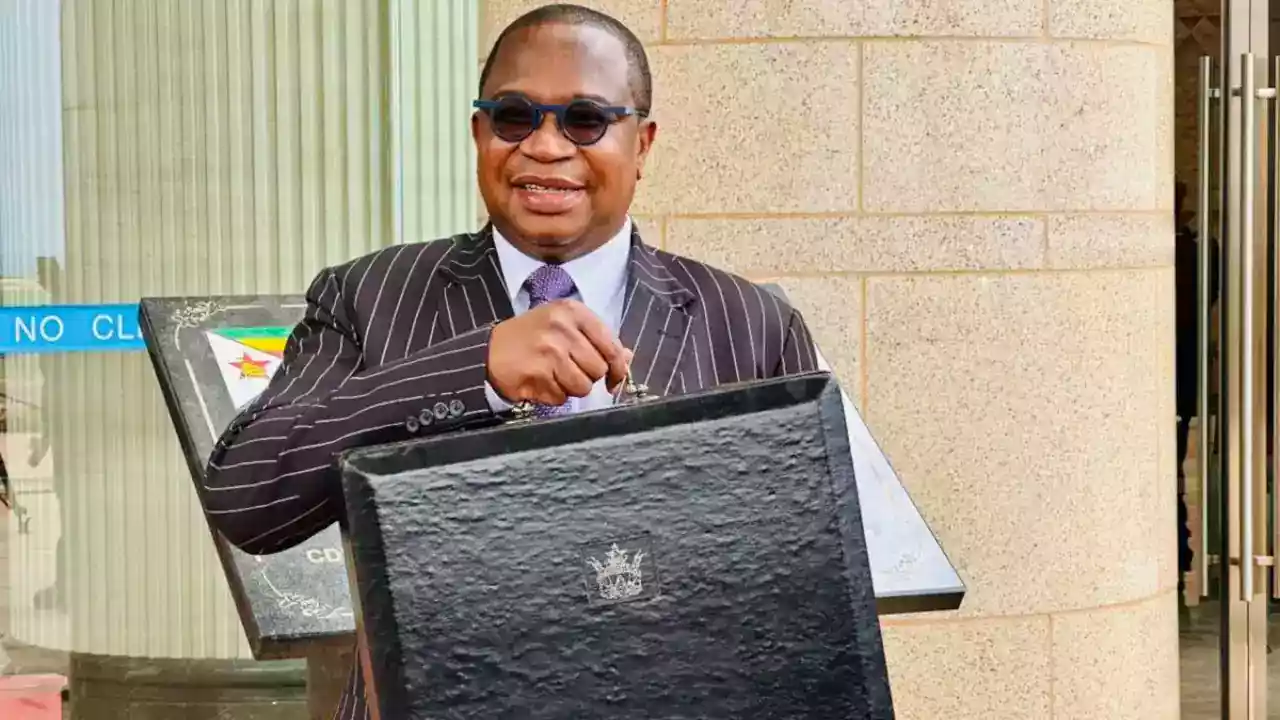
The call was made during a 2027 National Budget post-budget analysis meeting hosted by Fight Inequality Alliance Zimbabwe in Bulawayo yesterday, following the presentation of the national budget by Finance Minister Mthuli Ncube in Parliament on November 19.
Participants said government should ensure that budget allocations address the actual needs of communities rather than focusing solely on the amounts set aside for different ministries.
On this topic
“Budget allocations are meaningless if they do not reflect the needs of ordinary citizens. Having high budget allocations in the education sector is meaningless if children in Binga have no schools,” said Tsepang Nare, a Disability rights advocate.
Nare called for constitutional amendments that would compel the Ministry of Finance to allocate specific proportions of the national budget to key sectors, arguing that existing international commitments were not legally enforceable.
“Let’s push for an amendment to our Constitution that mandates the Ministry of Finance to allocate a certain percentage of the national budget to specific ministries. Zimbabwe may be a signatory to international declarations, but these are not laws,”
“We have countries like Costa Rica and Indonesia that set legally binding budget allocation benchmarks in their constitutions, reflecting a certain percentage of the country’s Gross Domestic Product (GDP)”, Nare said.
The meeting also raised concerns over transparency and accountability in the management of public funds, particularly revenue collected through taxation.
Participants questioned the use of money raised through the special tax introduced to finance the procurement of cancer treatment machines, saying there was insufficient public information on collections and expenditure.
“The Sin Tax money that was said to go towards purchasing cancer machines, nothing was said about the money collected and how it has been used,” said Jabulile Siwela from Umzamo Wabatsha.
Concerns were also raised over the extent to which the 2027 National Budget addresses climate change challenges, particularly the impact of El Niño-induced droughts on vulnerable communities.
Siwela questioned the apparent lack of detailed funding strategies to strengthen climate resilience, despite resilience building being identified as one of the budget’s priorities.
“Little was said about building resilience against climate change challenges such as El Niño, yet one of the primary objectives of the 2027 National Budget was to come up with ways of building resilience,” said Siwela.
Speaking during the discussion, women’s rights activist Jacqueline Ndlovu challenged the government to demonstrate how sectoral allocations would benefit the intended beneficiaries, particularly in education.
“If 17% is allocated to the education sector, it should be clear who benefits from these allocations,” she said.
Participants said meaningful budget monitoring should go beyond examining figures and establish whether public spending is improving access to essential services and addressing inequalities in marginalised communities







Leave a Reply