

The City of Bulawayo is considering aquamation, a water-based alternative to cremation, as it explores ways to address dwindling cemetery space and provide families with alternative options for disposing of human remains.
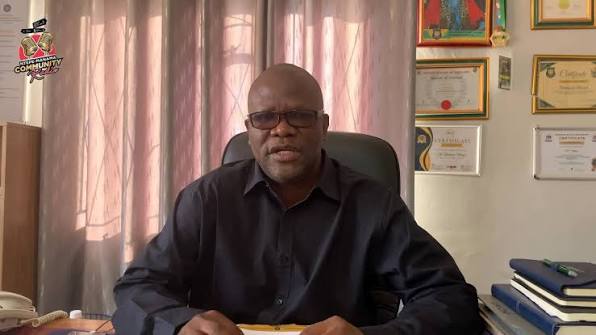
The city’s Director of Health Services, Dr Edwin Sibanda-Mzingwane, said the local authority was exploring emerging technologies alongside conventional burial and cremation.
Speaking during CITE’s This Morning on Asakhe on Tuesday, under the topic No Space for the Dead: Double Burials, Fees and Culture, he said aquamation uses water and sodium hydroxide to break down human remains, leaving bone material that is processed into a powder.
The resulting material can be returned to families, who may choose how to use or dispose of it.
On this topic
He cited former South African Anglican Archbishop Desmond Tutu as a prominent figure who underwent the procedure, explaining that he was neither buried nor cremated.
“We don’t have it yet, but we’re just thinking around it such that when people come, we will see whether we can either bury them, burn them, or put them in this liquid and dissolve them. These are options that we have at the moment,” he said.
Dr Sibanda-Mzingwane said Bulawayo was burying about 350 adults and 80 children under the age of one every month, putting pressure on available cemetery space.
Although the city still has burial space, he said the rate of use meant authorities needed to consider alternatives before the situation became critical.
One measure already approved by council is the cremation of children below the age of one instead of burial. However, implementation has been delayed by procurement challenges involving a municipal cremator.
Private cremation is currently more expensive than conventional burial, making it less accessible to many families.
“As soon as we get our own cremator as Council, we’ll implement that resolution. Therefore, we’ll start with small children and ensure that those below the age of one, that is zero to one year, will be cremated,” he said.
He said the proposal was also informed by concerns about how some infant graves were treated, particularly where cultural practices meant parents did not personally oversee the burial.
“One of the things that we have noted is that this age group, once they are buried, the parent, even culturally, at least the culture that I know of myself or grew up in, the children are not even buried by the parents,” he said.
He added that some infants were buried in unmarked graves or informal burial sites, which were subsequently neglected.
“This means that this grave has no owner. So, no one visits it or looks after it. So we have started with those below one year and we hope it will go up until we get to any age,” he said.
Meanwhile, the city had approached the Department of Social Welfare over the possibility of conducting pauper burials for unclaimed bodies. However, the department opposed the proposal, forcing the local authority to abandon the idea, he said.
Dr Sibanda-Mzingwane said the adoption of alternative burial methods would depend on their affordability, accessibility and acceptance by the public.
He argued that resistance to new burial practices could diminish over time, pointing to the gradual acceptance of coffins despite initial opposition from some communities.
“If you ask your grandfather or your father, depending on your age, that when the coffins were being introduced, there were a lot of people who refused to be buried in coffins, purely because it was not in their culture,” he said.
He said some communities within Ndebele and Nguni cultures traditionally buried their dead in a seated position or wrapped them in animal hides and blankets rather than coffins.
However, burial practices had since changed, with families increasingly embracing coffins and placing greater importance on their design and quality.
“If we make this cremation very attractive and affordable and accessible, I’m sure we just need one or two generations, they will be competing with the type of urns where they put the ashes of their loved ones,” he said.
He added that keeping burial services affordable was also a challenge because changes to municipal fees require a formal gazetting process, which can take time.
As a result, burial charges may not keep pace with rising service delivery costs.




Leave a Reply