
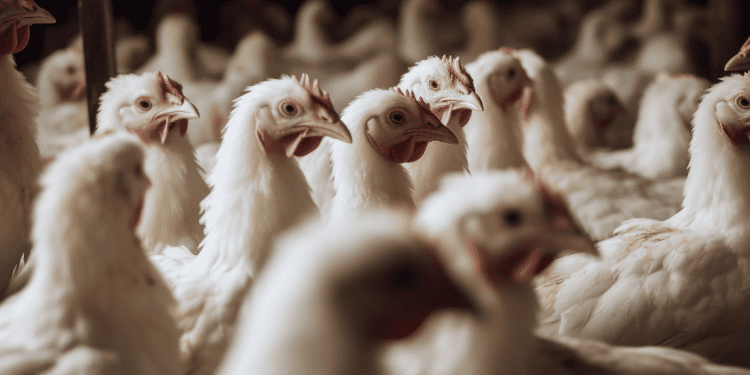
El Niño threatens broiler poultry production through heat stress, water shortages and rising feed costs, with poultry specialist Dr Enoch Machingauta warning that drought-related challenges could affect farmers’ productivity and profitability.
Speaking to CITE, Machingauta said high temperatures reduce broiler chickens’ feed intake and slow their growth, resulting in lower market weights.
“High temperatures cause broilers to pant, spread their wings, and lower their feed intake. This leads to slower body-weight gains, poorer feed-conversion ratios (FCR), and lower market weights,” Machingauta said.
He said extreme heat could also increase flock mortality, particularly in poorly ventilated poultry houses where smallholder farmers may struggle to regulate temperatures.
On this topic
“Extreme heat spikes can sharply raise flock mortality, especially in traditional or poorly ventilated housing systems where smallholder farmers often face significant losses,” he said.
Water shortages present another challenge during drought conditions, as broiler chickens need adequate water to support growth and regulate their body temperatures.
“Broilers consume roughly twice as much water as feed by weight, and significantly more during heat waves. Localized droughts can quickly jeopardize borehole yields and municipal taps,” Machingauta said.
Feed costs could also rise as drought damages crops used in poultry feed production, particularly maize and soybeans.
Machingauta said feed accounts for between 60% and 70% of total production costs, leaving farmers vulnerable to increases in grain prices.
“El Niño-induced droughts damage major grain and oilseed harvests like maize (corn) and soybeans because feed accounts for 60% to 70% of total production costs, even moderate grain price increases can wipe out farm profit margins,” he said.
He also warned that extreme weather conditions could increase the risk of poultry diseases, particularly where dry conditions create dust or heavy rains leave litter wet.
“Extreme weather brings either dry, dusty conditions or sudden heavy storms that soak litter. Wet litter and high humidity increase the prevalence of coccidiosis and respiratory issues,” Machingauta said.
To reduce heat stress, he recommended improving ventilation and installing cooling systems in poultry houses to help maintain suitable temperatures.
“Install industrial blowers, foggers, or transition to tunnel-ventilated, temperature-controlled facilities. Feed birds during cooler periods of the day (such as early morning or late evening) and provide fresh, cool water at all times,” he said.
Machingauta also advised farmers to reduce stocking densities during hot periods and maintain strict hygiene to minimise the risk of disease outbreaks.
“Lower stocking densities during hot spells and maintain strict sanitation to reduce disease pressure,” he said.







Leave a Reply