
The government has announced measures set to assist communities affected by the Lake Kariba ferry disaster, including the deployment of mental health specialists, emergency supplies, infrastructure rehabilitation and improved disaster preparedness.
Presenting the measures to Cabinet on Tuesday on behalf of Vice-President Kembo Mohadi, who chairs the cabinet committee on Social Development, Local Government and Public Works Minister, Dr Daniel Garwe, said government was prioritising both immediate relief and long-term recovery.
The measures are expected to address not only the immediate humanitarian needs arising from the Kariba disaster but also longstanding gaps in water safety, transport infrastructure, early warning systems and emergency response capacity.
Dr Garwe said the interventions would focus on four key areas-humanitarian relief and psychosocial support, recovery and resilience building, transport and infrastructure development, and community training in disaster risk reduction.
On this topic
“Efforts under humanitarian relief and psychosocial support include deploying skilled personnel on mental health support, providing emergency supplies, protecting children, and promoting education,” said Garwe.
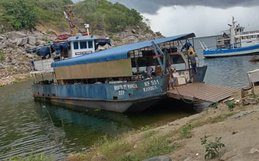
The August 1 disaster occurred when the RIDA Mbuya nehanda vessel capsized on Lake Kariba killing at least 97 people.
The government subsequently declared the incident a state of disaster as rescue and recovery efforts continued.
Minister Garwe said the government would also work to strengthen the resilience of communities affected by the tragedy through economic opportunities, vocational training and the rebuilding of community assets.
He noted that infrastructure development would include road repairs, replacement of vessels and the establishment of affordable ferry services.
“Infrastructure plans are emphasising road repairs, vessel replacement, establishing affordable ferry services, and improving early warning systems with weather stations, drones and communication tools,” he said.
The government will also develop a comprehensive emergency response plan while improving access to basic services in affected communities.
“A comprehensive emergency response plan has been prioritised, alongside improving community amenities and access to water and sanitation,” said Dr Garwe.
He added that communities would receive training in water safety, first aid and disaster preparedness to improve their ability to respond to emergencies.
“Training programmes in water safety, first aid and disaster preparedness have also been prioritised,” said Dr Garwe.
The minister also stressed the importance of ensuring that financial resources are released promptly to support disaster response and recovery programmes.
He said the timely disbursement of funds from the National Civil Protection Fund would be prioritised, alongside capacity building through partnerships with educational institutions.





Leave a Reply