
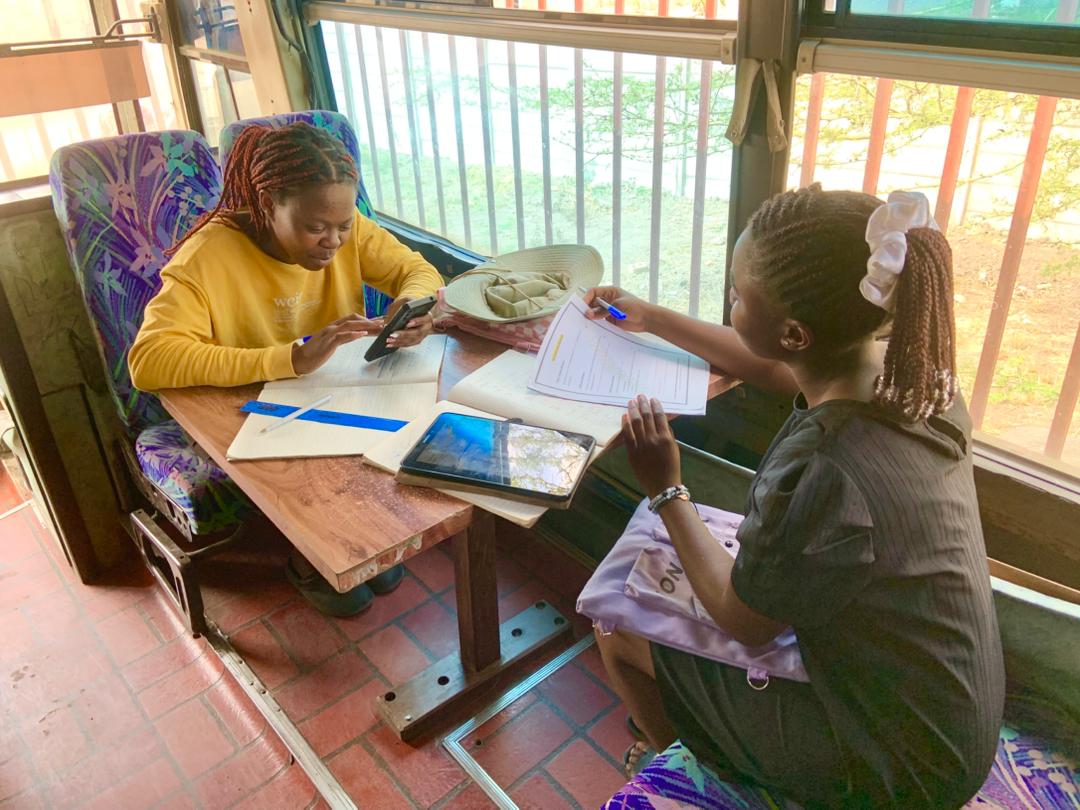
An old bus in Cowdray Park has been given a new lease of life as a classroom, library, computer laboratory and counselling space for young people in Bulawayo struggling to complete their O’level examinations, find a quiet place to study or access learning resources.
The old bus is part of a school programme run by the Nehemiah Project, a local faith-based organisation in Bulawayo whose broader work focuses on addressing HIV, poverty and stigma among vulnerable communities.
When the bus became non-operational, the Pentecostal Assemblies of Zimbabwe (PAOZ), which established the Nehemiah Project, donated it to the organisation for its programmes.
With financial support from UK Trust, the bus was reassembled and refurbished, with its interior converted into a classroom, computer laboratory and library for learner
On this topic
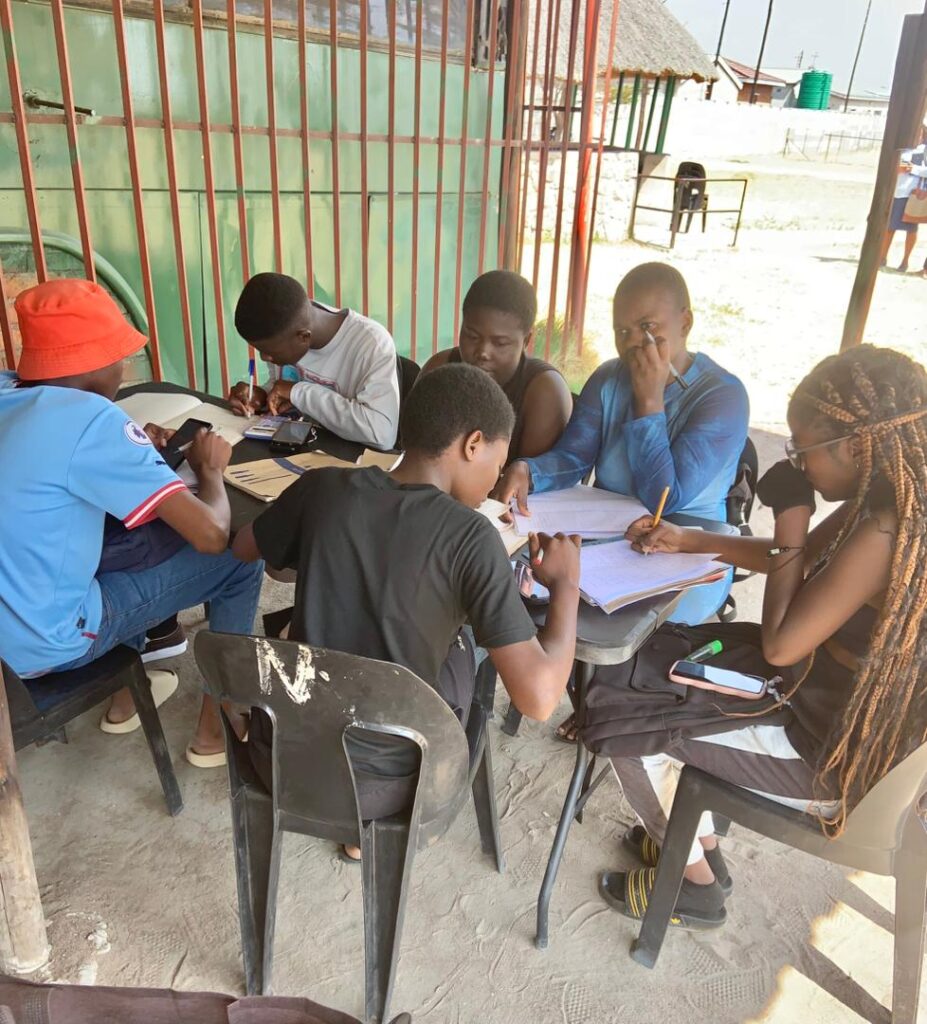
The school programme has become popular among young people preparing to rewrite their O-level examinations, including those enrolled in crash programmes, while also providing a safe space for learners who may not have suitable conditions for studying at home.

Nehemiah Project director, Pamela Nyathi, said the programme was established after the organisation identified young people who were struggling academically and could not afford private lessons or other learning resources.
“And then also, we have another programme that we extended that is called a school programme. You will see a bus; at the same time, it is also a computer lab, it is also a library,” Nyathi said during a recent media tour organised by the National AIDS Council (NAC).
The tour was part of efforts to strengthen public awareness and media engagement on HIV and AIDS prevention, treatment, care and support in Bulawayo Metropolitan Province.
Nyathi described the refurbished bus as more than just an education facility.
“That bus, if you look at it and don’t see wheels, you might think that it’s not moving, but it’s actually bringing hope to other young people that have lost hope,” she said.
The school programme primarily targets vulnerable children and young people, particularly those requiring additional support to prepare for examinations.
Nyathi said selected learners attend classes during the day and after-school sessions, while the facility remains open to other young people in the community who simply need a quiet place to study.
The programme has also expanded beyond traditional classroom teaching by providing access to computers and the internet.
“We now have Wi-Fi. We allow those that are studying to have access to that internet for a certain period or short time, so that they can be able to access it in terms of research and other things,” she said.
The facility also provides an opportunity for young people to seek emotional support.
Nyathi said the organisation had female and male project officers available to talk to young people who may be experiencing challenges and need someone to confide in.
The facility is also open to members of the wider community who require a private space to speak to someone on a one-on-one basis.
According to Nehemiah Project youth officer, Mthabisi Sibalwa, the school programme did not initially emerge from a donor-funded project.
It was started by young people themselves through the organisation’s Action Zone youth club at Nehemiah’s Ithemba Centre.
Sibalwa said the youth recognised that some of their peers were struggling to obtain the required number of O’level passes and decided to support each other.
“We came up with this programme where we were helping each other as young people,” he said.
The young people identified peers who had successfully passed their O’level subjects and could assist others who were preparing for examinations.
“When we started this programme, about four to five years back, we did it within our own capacity,” Sibalwa said.
The initiative later attracted the attention of donors, who saw its potential and began supporting it with learning materials.
Stationery was provided for learners attending the programme, while books covering subjects from primary level through to O’level and A’level were also acquired.
The evolution of the programme reflects the Nehemiah Project’s broader philosophy of combining community initiative with external support rather than creating programmes that are entirely dependent on donors from the outset.
For some learners, the programme offers an opportunity to improve their academic prospects after struggling with particular subjects.
17 year old Laizah Sibanda, a Lower Six student at Mpopoma High School, said she had been using the facility since her O’level studies.
She said she was attracted by the learning environment and the way other candidates were using the facility to prepare for examinations.
Sibanda is currently studying Mathematics, Biology and Chemistry.
“I used to come here since O’level. I was impressed with the way candidates were learning,” she said.
21 year old Thembeka Ncube, who is rewriting her O’levels, the facility offered something equally important, an environment conducive to studying.
“I heard it was a good working place to study and learn,” Ncube said.
Her experience illustrates the demand for affordable and accessible study spaces among young people who are trying to improve their examination results.
For learners taking crash courses or rewriting examinations, finding a suitable place to concentrate can be difficult, particularly for those living in crowded households or without access to electricity, books, computers or reliable internet.
Beyond academics, the Nehemiah Project’s decision to incorporate counselling and one-on-one conversations into the school programme is consistent with its wider focus on addressing the social circumstances affecting young people.
Nehemiah Project’s broader interventions include HIV prevention, sexual and reproductive health and rights, livelihoods support and programmes targeting teenage mothers and other vulnerable groups.
Nyathi said young people’s academic struggles could not always be separated from other challenges they face in their daily lives.
Some may need someone to talk to, while others may require guidance around relationships, family difficulties, mental health or other personal challenges.
The school programme therefore doubles as a safe space where young people can seek assistance beyond their academic needs.
“The presence of both male and female project officers allows learners to choose someone they are comfortable speaking to,” Nyathi said.
Although the school programme is primarily focused on education, the Nehemiah Project sees learning and livelihood opportunities as part of the broader HIV response.
The organisation’s work is based on the understanding that poverty and limited opportunities can increase vulnerability to risky circumstances.
Nyathi has previously said the organisation addresses both HIV prevention and the social and economic conditions that make people vulnerable to infection.
Providing young people with educational opportunities, skills and access to resources can therefore form part of a longer-term prevention strategy.
For vulnerable young people, staying in school, improving examination results and acquiring skills can expand their options and reduce dependence on risky forms of economic survival.
“The school programme extends that emphasis on creating opportunities for young people to rewrite not only their examinations, but potentially their circumstances,” said the director.
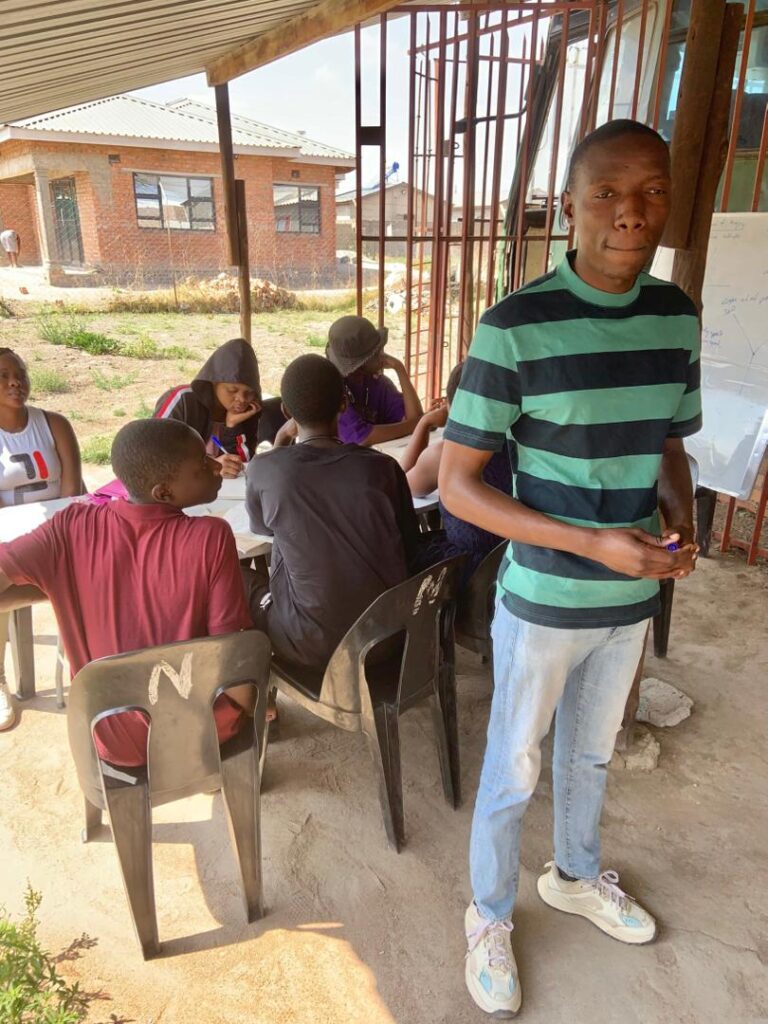
The school programme is supported by tutors, including Godknows Sibanda, a qualified teacher who now works as a tutor.
Sibanda said some people had not had the opportunity to write their examinations themselves and were now being supported to achieve their O’level qualifications.
“As a tutor, I help students prepare for their examinations and we primarily focus on O’level subjects,” he said, adding the programme also provides peer support and community-based learning.
The school programme’s origins in a youth-led initiative remain important to the programme’s identity.





Leave a Reply