
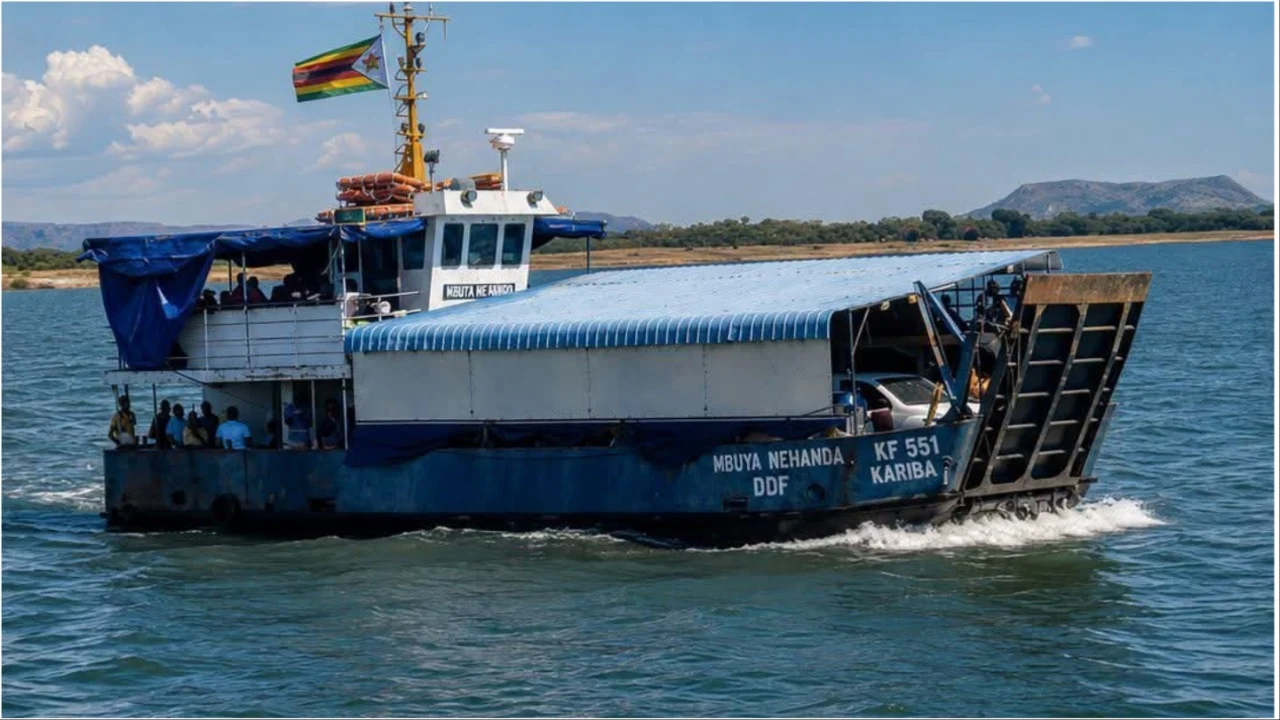
The Zimbabwe Resilience Network (ZIREN) has called for fishing cooperatives and communities living around Lake Kariba to be trained and equipped as certified first responders following the deadly boat accident that claimed at least 44 lives.
The organisation said strengthening the capacity of communities around the lake to respond to emergencies could improve survival rates, particularly before specialised rescue teams arrive.
The call follows the August 11, 2026 accident involving a ferry that was carrying over 100 adult passengers and five crew members. An unconfirmed number of children are also believed to have been on board.
According to the Zimbabwe Republic Police, 44 people have been confirmed dead.
On this topic
In a statement, ZIREN, a youth organisation advocating for the finalisation of the Disaster Risk Management (DRM) Bill, said local communities should be formally incorporated into the country’s disaster preparedness and response systems.
“Train and resource local fishing co-operatives and lake-dwelling communities as certified first responders equipped with basic rescue gear and communication devices,” the organisation recommended.
ZIREN said the involvement of community members in the immediate response to the Lake Kariba tragedy demonstrated the important role they could play in disaster risk reduction.
It commended community members who acted as first responders alongside the Department of Civil Protection, the Zimbabwe Republic Police Sub-Aqua Unit, community-based organisations and private players involved in the search and rescue operation.
“The community members who have been the first responders also deserve commendation,” ZIREN said.
“This multi-sectorial approach in dealing with the tragedy makes disaster risk reduction (DRR) a shared responsibility and acknowledges civil protection as an issue of national concern.”
The organisation said communities living and working on Lake Kariba should not only be regarded as beneficiaries of disaster response, but should be trained and equipped to provide immediate assistance during emergencies.
It said such training should be supported by basic rescue equipment and reliable communication devices to enable communities to alert authorities and coordinate emergency response.
ZIREN also called for greater attention to the welfare of survivors and affected families, saying the rescue camp established following the accident should provide more than food and non-food items.
“It should also look into trauma counselling and psychosocial support for families and be gender-responsive to the different needs of women, men, girls, and boys,” ZIREN said.
The organisation said the tragedy should strengthen calls for the finalisation of the Disaster Risk Management Bill, which it argues would help establish a stronger and more coordinated disaster management system.
ZIREN said the Lake Kariba tragedy had demonstrated the need for disaster preparedness to involve Government agencies, private players, civil society organisations and local communities.
“As Zimbabwe Resilience Network, we call upon like-minded organisations to help demand prioritisation of the Disaster Risk Management (DRM) Bill as it will help in efforts to build back better,” it said.
The organisation said its thoughts were with the Kariba community and families affected by the tragedy.








Leave a Reply