

Human remains have once again been discovered at a mine operating under Jena Mine in Silobela, renewing calls from community leaders for the Government to halt mining activities and launch a comprehensive investigation into what residents believe could be mass graves linked to the Gukurahundi atrocities.
The latest discovery was made on Thursday at Octopus Mine Shaft, where miners reportedly unearthed the remains of at least five people while carrying out mining operations.
The discovery comes barely two months after gold panning activities at Black Dawn, another mine shaft operating under Jena Mine, were suspended following the discovery of human remains believed by local residents to be linked to either Zimbabwe’s liberation struggle or the Gukurahundi genocide of the 1980s.
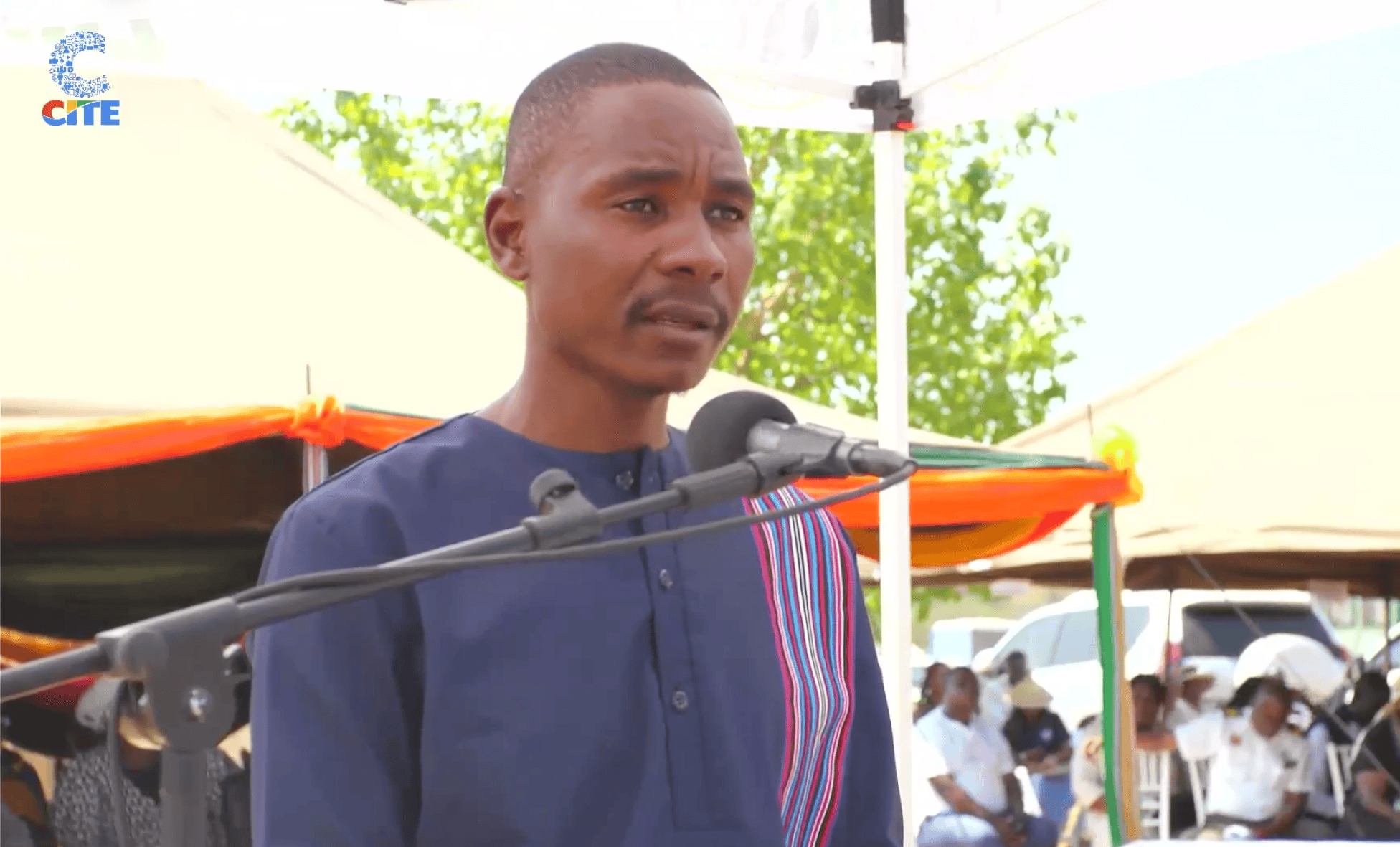
Silobela Ward 20 Councillor Maqhawe Moyo said the repeated discoveries had strengthened long-held suspicions within the community that several abandoned mine shafts in the area were used as dumping sites for victims of political violence.
On this topic
“Since the last discovery, I have been advocating for a thorough investigation at Jena Mine,” Moyo told CITE.
“There are old mine shafts where people are now mining and that is where these bones were found. This latest discovery was at Octopus, while the previous one was at Black Dawn. Both are under Jena Mine.”
The councillor said residents believe the remains could belong to people from Silobela, Zhombe and Lower Gwelo who disappeared or were killed during the Gukurahundi period.
“As a community, we strongly suspect these remains belong to people who were killed during Gukurahundi from areas such as Silobela, Zhombe and Lower Gweru,” he said.
Moyo called on the government to establish a commission of inquiry to determine the origin of the remains and the circumstances surrounding the deaths.
“We are calling upon the government to investigate or establish a commission of inquiry to determine exactly what happened here. One option would be to suspend mining operations and allow investigators to thoroughly examine these sites,” the councillor said.
“What surprises me is that at the place where bones were found previously, mining activities have continued.”
Moyo said the latest remains were discovered by mine workers during daytime operations.
“So far, they believe the remains are of about five people, but as mining continues, more could be uncovered,” he claimed.
The councillor said he had previously written to several authorities following the first discovery, including Zibagwe Rural District Council, Officer Commanding Police District (Dispol) ,the Criminal Investigations Department Minerals Unit, the Ministry of Mines and Mining Development, Midlands Minister of State for Provincial Affairs and Devolution Owen Ncube and Jena Mine authorities urging them to investigate the discoveries.
“I am pleased that last Wednesday an official from the Ministry of Mines contacted me to confirm they had received my letter and would act on it this week,” he said.
Moyo said last time, miners were instructed to immediately report any further discoveries of human remains to the police.
“The directive given to miners is that if they encounter bones, they must immediately notify the police, who are responsible for collecting the remains. I believe that procedure was followed in this case,” he said.
However, he alleged that some mining operators were reluctant for news of the discoveries to become public because investigations could interrupt mining activities.
“They tell people not to take pictures because they do not want these discoveries exposed. These activities happen away from public scrutiny because they know that once human remains are discovered, operations may be stopped,” he claimed.
Moyo warned that continued mining without proper investigations risked disturbing what could be important crime scenes or historical burial sites.
“I believe that as long as mining continues in these old shafts, more human remains will be found. The government should either close these mines temporarily or direct mining to other areas while proper investigations are carried out to determine where these remains are coming from,” he said.
The latest discovery adds to growing concerns in Silobela, where residents have long maintained that abandoned mine shafts were used to dispose of bodies during periods of violence.
In May, mining activities at Black Dawn Mine were halted after miners unearthed human remains, prompting calls from residents for forensic investigations.
Read: https://cite.org.zw/human-remains-found-at-silobela-mine/
Community members told CITE at the time that local oral history points to two large pits in the area that were allegedly used first during the colonial era and later during the Gukurahundi atrocities to dispose of victims.
“We are not surprised that something like this has come up,” Moyo said following the May discovery.
“As a community, we have always known there were two large pits in the area where the miners had pegged.”
At the time of publication, it was not immediately clear whether police or the Ministry of Mines had launched investigations into the latest discovery at Octopus Mine Shaft.
This is a developing story.





Leave a Reply