
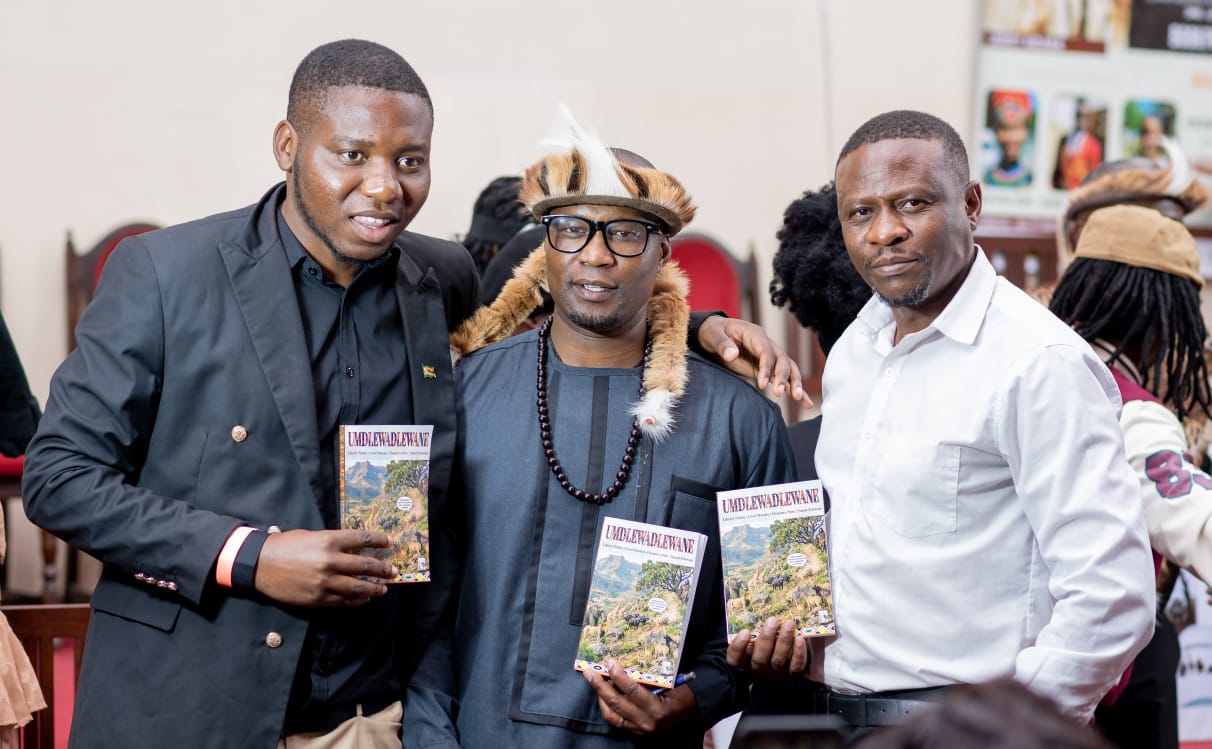
A Bulawayo author has launched a new Ndebele novel aimed at promoting indigenous language, literature and cultural heritage amid growing concern over the decline in the use of local languages.
Liberty Ndaba, popularly known as MC Umahlabayithwale, officially launched his latest novel, Umdlewadlewane, on 20 June in Bulawayo.
Speaking to CITE, Ndaba said the book was part of wider efforts to promote heritage-based education and preserve indigenous knowledge through literature.
“This book contributes to Zimbabwe’s ongoing efforts to promote heritage-based education,” he said.
On this topic
“That is why the book features our shrines, heritage sites, important places, place names and lessons linked to our cultural evolution.”
Ndaba said the novel also tackles contemporary social challenges affecting communities, including drug abuse and gender-based violence.
He said the declining use of isiNdebele had inspired him to write the book in the language.
“Our language as Ndebele people is dying, and there is a need to bridge the gap between our traditional way of speaking and the growing adoption of foreign languages,” he said.
Ndaba described literature as a powerful tool for preserving language and culture, saying books can help ensure traditions are passed on to future generations.
The novel also includes poetry celebrating different parts of Zimbabwe, with a particular focus on Matabeleland North and Matabeleland South.
“There is a lot of poetry dedicated to the Matabeleland region and also to Zimbabwe as a whole,” he said.
He said continued writing in indigenous languages was essential to preserving cultural identity.
“Literature is a conveyor of our indigenous languages, culture and traditions,” Ndaba said.
“If authors continue to write, we will be doing something meaningful for the next generation because they will read our books.”
He warned that failure to document culture could make preservation increasingly difficult.
“If our culture is not written down, preserving it will become very difficult,” he said.
Ndaba also urged publishers, writers and editors to invest more in local language literature to help protect indigenous knowledge in Zimbabwe.








Leave a Reply