

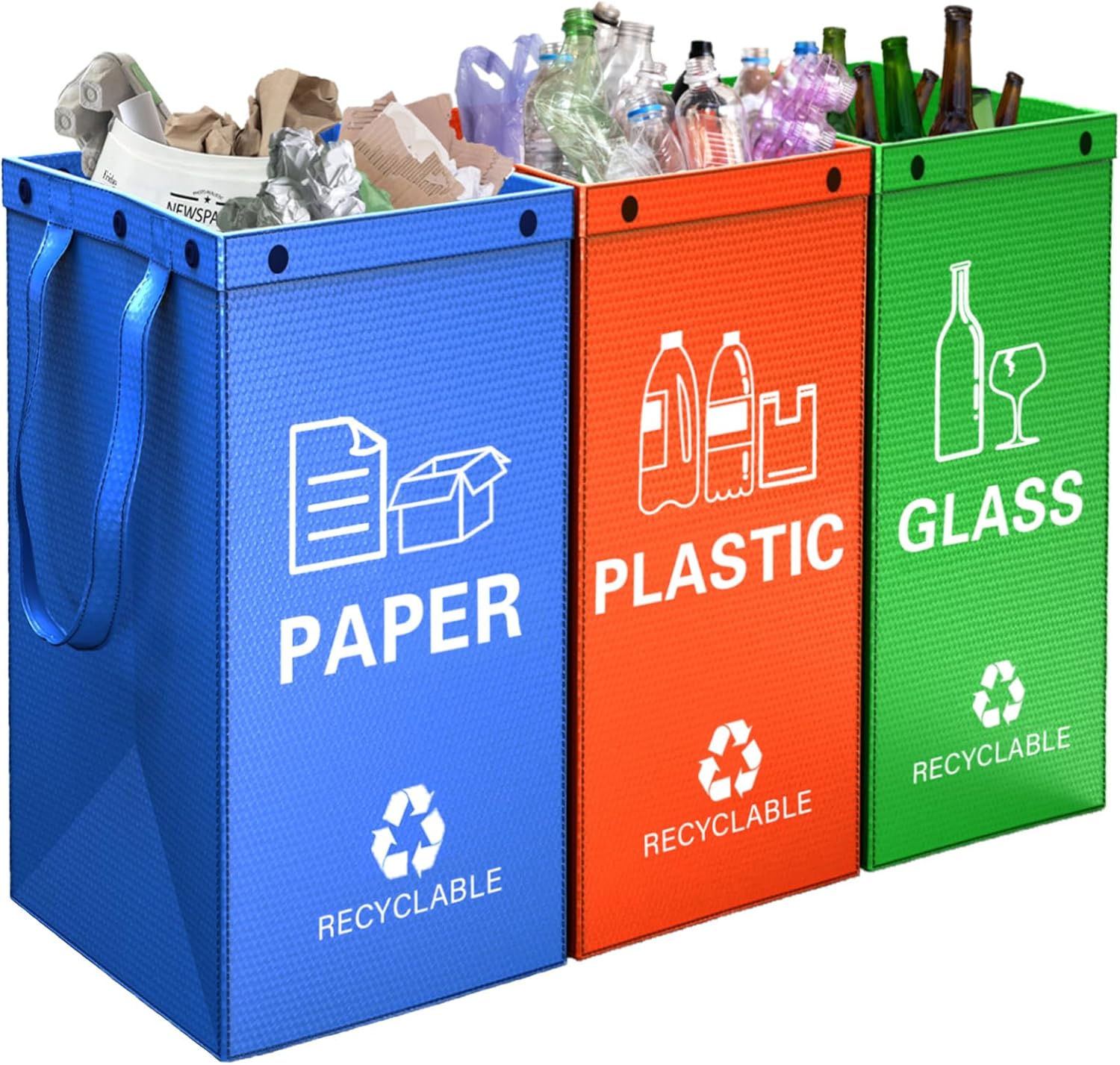
Bulawayo residents have been urged to separate recyclable waste from general household refuse as the city seeks to strengthen recycling initiatives aimed at reducing litter and improving waste management.
Ward 23 Councillor and Chairperson of the Health, Housing and Education Committee, Ntombizodwa Khumalo, said the Bulawayo City Council (BCC) has already introduced cage bins at selected locations to collect recyclable materials, particularly plastic waste.
Speaking in an interview with CITE, Khumalo said although the programme is still in its early stages, it has been rolled out at some shopping centres and strategic points across the city.
“We have recycling initiatives as the city council, although they are not yet at an advanced stage. One of the programmes currently in place is the installation of cage bins in some shopping centres and strategic locations around the city,” said Khumalo.
On this topic
“Residents can place their plastic bottles and other recyclable materials in these bins so that they can be collected and processed for recycling.”
She said the council works with various recycling companies to ensure that collected materials are reused rather than ending up in landfill sites.
“Once the recyclable materials have been collected, they are transported to various recycling companies where they are processed and reused. Some of the bottles are also taken to Ngozi Mine for recycling purposes,” she said.
“At the moment, the cage bins remain our main recycling initiative and we are hopeful that the programme will continue to grow as more residents become aware of it and participate.”
The call for increased participation was echoed by Bulawayo Progressive Residents Association (BPRA) Secretary for Environment, Khetiwe Tshuma, who urged residents to separate recyclable waste at household level before refuse collection days.
Tshuma said separating waste at source would make it easier for refuse collection teams to identify and recover recyclable materials.
“We encourage residents to separate their rubbish while they are still at home. Plastic bottles and other recyclable materials should be placed in a separate plastic bag from general waste,” said Tshuma.
“This will make it easier for refuse collection teams to collect both household waste and recyclable materials when they come to service communities.”
She said widespread adoption of waste separation practices would improve recycling efforts across the city.
“For example, in areas such as Entumbane, if residents consistently separate recyclable waste from ordinary refuse, council workers will easily identify that the community is practising waste separation,” she said.
“This will help improve the efficiency of recycling programmes and encourage other neighbourhoods to do the same. We therefore urge residents across Bulawayo to embrace this practice and contribute towards a cleaner environment.”
Meanwhile, Parklands resident Dumoluhle Moyo said a lack of information on where recyclable waste should be disposed of was contributing to the accumulation of plastic waste in some neighbourhoods.
“Many of us are still unsure where exactly we should take our recyclable waste. Plastic bottles and other recyclable materials are piling up in our neighbourhood, including along roadsides and outside people’s homes,” said Moyo.
“We need more information and more collection points so that residents can dispose of recyclable waste properly instead of leaving it scattered. We need clear guidance on where these materials should go.”
Support CITE’s fearless, independent journalism. Your donation helps us amplify community voices, fight misinformation, and hold power to account. Help keep the truth alive. Donate today




Leave a Reply