
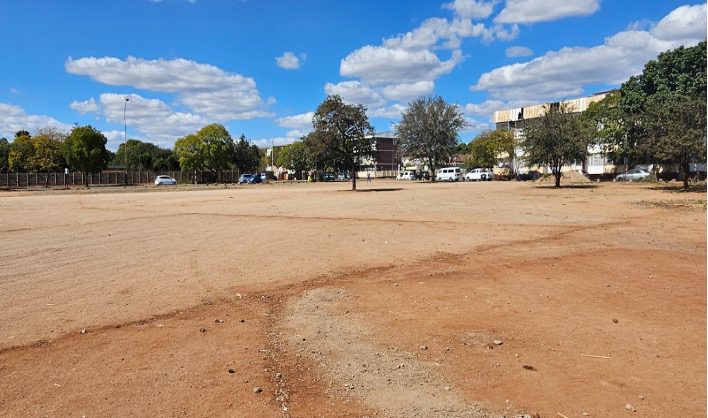
Many Bulawayo residents know the open space at the corner of Masotsha Ndlovu Avenue and Joshua Nkomo Street as the venue for Lunar Park amusement rides and public events. Few, however, are aware that the site, known as Inxwala, was once one of the most important cultural and spiritual centres of the Ndebele nation.
According to Bulawayo City Council Director of Housing and Community Services, Dictor Khumalo, Inxwala was the venue for the smaller Inxwala ceremony held ahead of the main annual Inxwala celebrations.
“This place is called Enxwala. It is very important in our culture in Bulawayo. This is the place where the Inxwala ceremony was being held before colonisation. This is why you see it being preserved,” said Khumalo.
Often referred to as the First Fruits Ceremony, Inxwala was one of the most significant events on the Ndebele cultural calendar. It was a time of thanksgiving, spiritual renewal and national unity under the King.
On this topic
Khumalo said the site was regarded as a sacred place where major national and spiritual matters were observed.
“This was a very spiritual place in the sense that national decisions occurred here,” he said.
The timing of the ceremony followed a carefully observed cultural calendar and was determined by the movement of the moon.
“The date of the ceremony was determined by the rise and setting of the moon. It was where the King came and the people would gather,” Khumalo explained.
Historical accounts suggest that between 30 000 and 50 000 people could gather during the celebrations. Chiefs travelled with their communities from across the kingdom, making it one of the largest annual gatherings of the time.
During the ceremony, the King would give thanks for the previous year’s successes and seek blessings for the year ahead. Traditional healers also performed rituals intended to strengthen the King’s leadership and ensure prosperity for the nation.
One of the ceremony’s most important rituals was the tasting of the first fruits. Before the King performed this act, no one was allowed to consume produce from the new harvest.
“The tasting of first fruits was also conducted here. When crops were ready, no one touched them. They would bring the crops and the King would taste them and allow the people to start eating,” said Khumalo.
The week-long celebrations featured military displays, traditional dances, feasting and other cultural performances. Chiefs, queens, warriors, women, children and young people all played important roles in the festivities.
“It was a big ceremony. Different regiments would show off their skills, showing the King their warriorship. They would dance and be merry,” Khumalo said.
At the conclusion of the celebrations, people would return to their communities carrying the blessings, guidance and sense of unity fostered during the ceremony.
Although the site now hosts recreational and public events, Bulawayo City Council continues to preserve Enxwala because of its rich cultural and historical significance.
Khumalo said the city has future development plans for the area that seek to balance modern use with heritage preservation.
“Planning-wise, the City is planning it for the future but preserving its historical importance,” he said.
So, the next time you pass the Lunar Park site, remember that beneath the rides and events lies a place that once served as the spiritual and cultural heart of the Ndebele nation.
Support CITE’s fearless, independent journalism. Your donation helps us amplify community voices, fight misinformation, and hold power to account. Help keep the truth alive. Donate today





Leave a Reply