

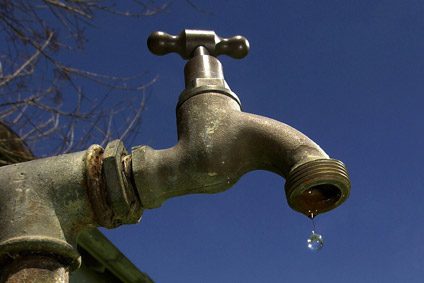
Residents of Sunninghill in Bulawayo say persistent water shortages have left many households receiving water only once every two weeks, forcing some families to buy water to meet their daily needs.
The complaints come as the city continues to grapple with water supply challenges linked to infrastructure constraints and fluctuating reservoir levels.
Residents say the shortages have become increasingly difficult to manage, with many relying on water storage containers and private suppliers to bridge the gaps between council supplies.
“In most houses here, water only comes once every two weeks. When it finally comes, everyone rushes to fill buckets, containers and tanks because we know it may disappear again at any time,” said resident Mandla Mpofu.
On this topic
He said the irregular supply was disrupting daily life and placing households under significant strain.
“It has become very difficult to manage a household under these conditions because water is something we need every day. Families are struggling because there is no certainty about when water will come,” he said.
Another resident, Qubekani Sibanda, said many households had resorted to purchasing water to supplement council supplies.
“We now buy water to fill our JoJo tanks because there is no other option. To fill a JoJo tank costs around US$60 and that amount is becoming too expensive for many families,” he said.
Sibanda said the additional costs were placing further pressure on household budgets already stretched by the rising cost of living.
“The sad part is that after spending that money, you may need to buy water again before council supplies return. Water is becoming one of the most expensive necessities for residents in this area,” he said.
Responding to the concerns, Bulawayo Mayor David Coltart said Sunninghill’s location on higher ground continued to affect water distribution to the suburb.
“Sunninghill homes are in higher-lying areas and have been affected by fluctuating levels at the Tuli Reservoir, as well as interruptions caused by breakdowns. We will closely monitor the restoration of water supplies next week,” said Coltart.
He said a long-term solution would require significant upgrades to the city’s water infrastructure.
“If you listen carefully to what I have been saying for more than a year, the Tuli Reservoir needs to be doubled in size, while the pump station and purification works at Ncema, which feed the reservoir, also need to be upgraded. Until that happens, this situation is likely to continue,” he said.
Coltart said the city had previously sought funding from central government for the upgrades but had yet to receive the money.
“The Minister of Finance promised the US$17 million we requested in 2024 for these works, but those funds have never been disbursed,” he said.
The shortages have renewed concerns among residents about the reliability of water supplies in some of Bulawayo’s high-density and elevated suburbs, particularly during periods of infrastructure breakdowns and low reservoir levels.
Support CITE’s fearless, independent journalism. Your donation helps us amplify community voices, fight misinformation, and hold power to account. Help keep the truth alive. Donate today



Leave a Reply