
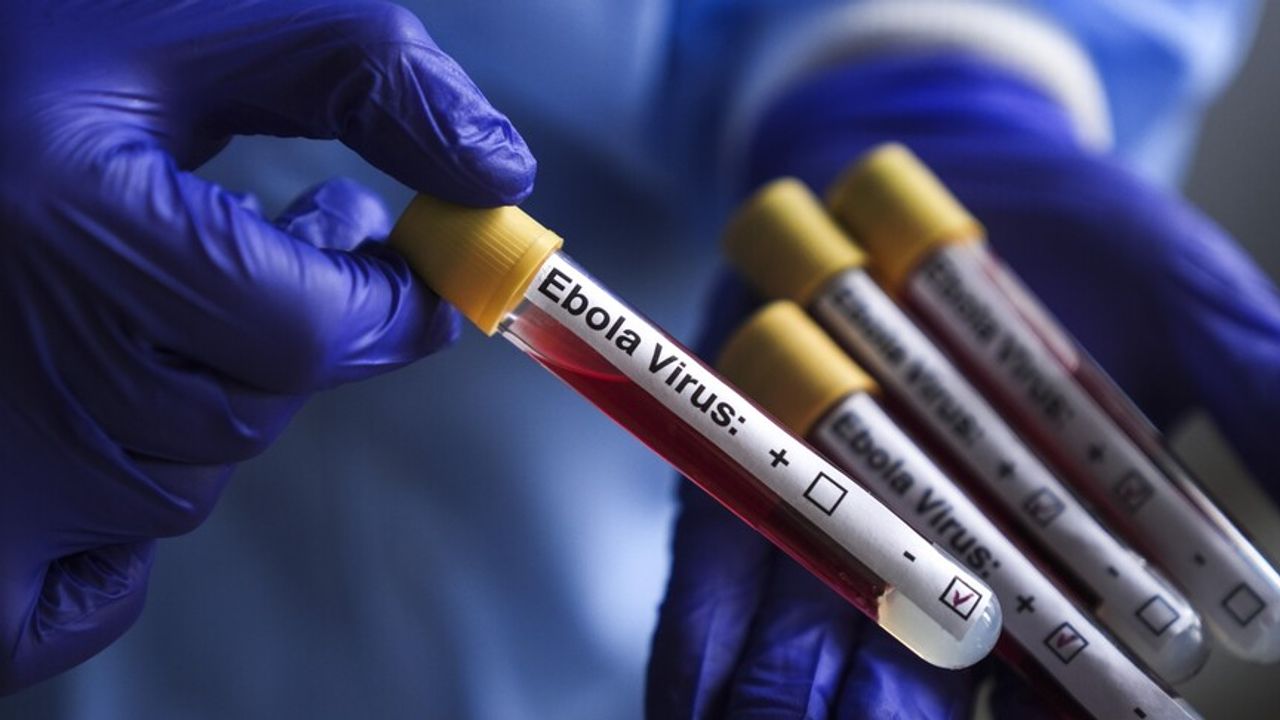
World Health Organisation (WHO) says promising candidate vaccines and treatments for Ebola caused by the Bundibugyo virus are being prioritised for clinical trials as efforts intensify to contain outbreaks in the Democratic Republic of Congo (DRC) and neighbouring Uganda.
In a statement released on Wednesday, WHO said experts and advisory groups convened by the organisation had reviewed several potential therapeutics and vaccines for Bundibugyo virus disease (BVD), although none are currently licensed specifically for the strain.
The experts recommended that all potential products be used only within carefully monitored clinical trials to ensure safety, effectiveness and ethical research standards.
“WHO is now working closely with the governments of the Democratic Republic of the Congo and Uganda to facilitate the implementation of research evaluation of these products,” the organisation said.
On this topic
“For treatment of confirmed Ebola cases, the experts identified three leading therapeutic candidates for urgent evaluation. These are monoclonal antibodies MBP134 and Maftivimab®, as well as the antiviral drug remdesivir.”
WHO said the experts also recommended studying combination therapy using a monoclonal antibody together with remdesivir to determine whether it improves patient outcomes.
On prevention, the organisation said the oral antiviral obeldesivir had emerged as a priority candidate for post-exposure prophylaxis among contacts of confirmed and probable Ebola cases.
“The treatment involves administering tablets to people who may have been exposed to the virus to assess whether the drug can prevent the disease from developing,” the statement read.
“However, the success of such an approach depends heavily on effective contact tracing, which remains a challenge in some affected parts of eastern DRC.
“The progress on vaccine development with the single-dose rVSV Bundibugyo vaccine, being developed by the International AIDS Vaccine Initiative (IAVI), has been identified as the most promising candidate. It could take between seven and nine months before it is ready for clinical trials.”
The experts further highlighted that another vaccine candidate, ChAdOx1 Bundibugyo, developed by Oxford University and the Serum Institute of India, could potentially be ready for efficacy assessment within two to three months, pending additional animal study data.
They noted that a single-dose strategy for the vaccine may be suitable for contacts of Ebola patients, while a two-dose regimen could be considered for high-risk groups such as frontline health workers.
WHO also reviewed the possible use of Ervebo, the only licensed Ebola vaccine currently available.
Support CITE’s fearless, independent journalism. Your donation helps us amplify community voices, fight misinformation, and hold power to account. Help keep the truth alive. Donate today






Leave a Reply