
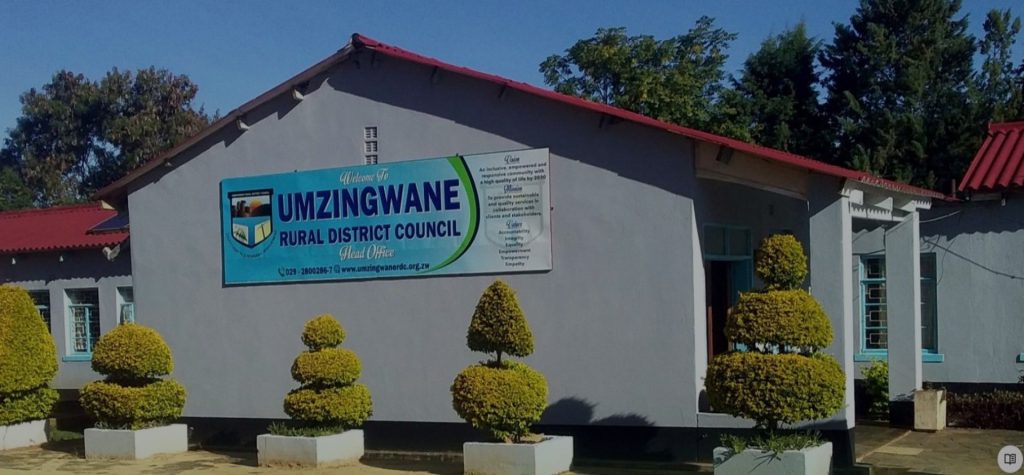
Residents in parts of Umzingwane district have raised concerns after being asked to pay a US$580 penalty by the local council following a data collection exercise that classified them as “illegal settlers”.
The move by Umzingwane Rural District Council affects households accused of occupying land that was not officially designated for residential settlement.
Council officials say some homes were built too close to electricity power lines, while others were constructed along river banks, making the areas unsafe for habitation.
But residents dispute the classification, saying many families have lived in the area for more than 20 years and have consistently paid rates to the council during that time.
On this topic
Several settlers who spoke to CITE on condition of anonymity, fearing victimisation, said they had never been told their homes were located in undesignated areas.
“We have been living here for the past 20 years. Over the years we have been paying our rates religiously to the council. No one ever as little as hinted that we are living in undesignated areas,” said one resident.
“If there was a problem with us staying here they should have told us years ago. Why did they continue to take our money for rates? Now they are suddenly labelling us illegal settlers.”
Another resident said the amount being demanded was beyond the reach of most families, particularly given the 30-day deadline for payment.
“We are being told to pay US$580 within a short period of time. Many of us do not have such an amount of money readily available,” the resident said.
“Some families are struggling to provide their daily needs, so raising such a large amount in just a few weeks is extremely difficult.”
Some traditional leaders have also questioned the council’s move, saying the settlers were originally granted permission to live in the area by local chiefs.
One traditional leader said residents were not charged for the land but were instructed to pay their rates to the rural district council.
“The local chiefs granted the people permission to stay in these areas. They were not charged any money. They were advised that if they were staying there, they should pay their rates to the council,” the leader said.
“Most families invested in well-built homes believing they had obtained legal spaces.”
The leader added that the council now maintains the settlers should have obtained the land directly through the RDC rather than through traditional authorities.
Efforts to obtain comment from the council were unsuccessful, as phone calls to Umzingwane Rural District Council went unanswered.
However, an audio recording from a recent community meeting obtained by CITE suggests officials insist the relocations are necessary because some homes are located in areas considered unsafe.
“Some people here are staying at places that are not fit for settlement. Some are too close to electric power cables while others built their homes on river banks. They have to move for their own safety,” an RDC representative told residents.
The official also said paying the penalty would not automatically guarantee relocation to another area.
“You also need to understand that paying the stipulated fine is not an automatic confirmation that you will be relocated to a suitable area,” the representative said.
“Some will get new places to stay but some may not get them. But the penalty will have to be paid. We will be working with law enforcers to ensure that everyone complies.”
Support CITE’s fearless, independent journalism. Your donation helps us amplify community voices, fight misinformation, and hold power to account. Help keep the truth alive. Donate today








Leave a Reply