
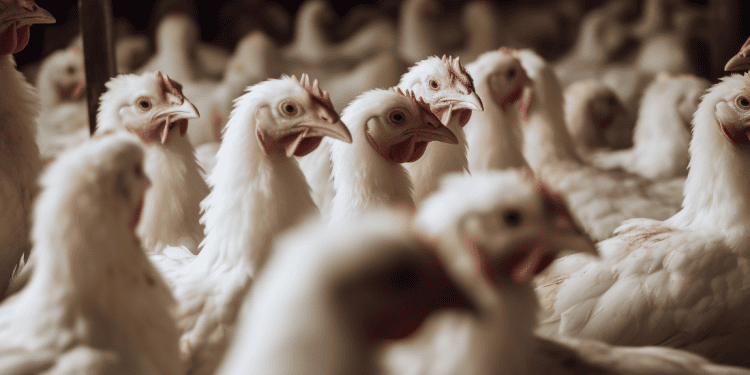
Poultry farmers in Bulawayo say their businesses are under threat as they battle rising feed prices, fast-spreading diseases, and intense market competition.
Many producers warn that if conditions do not improve, they may be forced to cut production or abandon poultry farming altogether.
Thandi Ndlovu, a farmer from the city, said the cost of feed had become unsustainable.
“Sometimes we even make a loss. It feels like we are working for nothing,” she told CITE. “Some farmers have been forced to cut down on production because they can no longer afford to buy enough feed. Even if you raise the price of your chickens, customers complain and refuse to buy. It leaves us trapped with no solution.”
On this topic
Another farmer, Buhlebenkosi Moyo, said outbreaks of disease were worsening the situation.
“Some diseases wipe out entire flocks within days, leaving farmers with huge losses,” she said. “Buying medicines is expensive, and not all of us can afford it. Vaccines are important, but they are costly. It is heartbreaking to see your hard work vanish overnight.”
For farmer Dumisani Sibanda, the biggest challenge is competition in a weak economy.
“We end up lowering prices just to sell, and that means we don’t recover what we spent,” he said. “Cheap imports and backyard sellers are making it worse. Sometimes you see people selling chickens on the streets at very low prices. Customers rush there, and we remain stuck with our stock.”
Dr Enoch Machingauta, a poultry specialist at Econutrivet, said farmers could reduce losses by improving management systems, particularly during the first days of chick rearing.
“Maintain the brooder temperature at 95°F (35°C) at chick level for the first week and observe chick behaviour,” he advised. “Use multiple shallow waterers, keep the brooder well-lit, and ensure bedding is clean and dry. Slippery or damp surfaces can lead to disease and deformities.”
Feed costs remain a major burden. A 50kg bag of starter, grower or layer mash currently costs between $26 and $32, depending on supplier and type. Prices have surged due to shortages of maize and soy, reliance on imports, foreign currency constraints, and inflation.
According to industry data, the cost of poultry feeds rose by 62% between 2019 and 2023, with volatility continuing into 2024.
The government has launched a Livestock Recovery and Growth Plan (2021–2026) to support farmers, but many say more needs to be done to stabilise feed costs and improve access to vaccines and medicines.
Support CITE’s fearless, independent journalism. Your donation helps us amplify community voices, fight misinformation, and hold power to account. Help keep the truth alive. Donate today






Leave a Reply