

As Zimbabwe battles a rising drug and substance abuse crisis, access to rehabilitation services remains limited and uneven, particularly in the Matabeleland region.
A recent parliamentary investigation has revealed that Matabeleland North and South provinces do not have any drug and rehabilitation centres, leaving youth in those regions without proper avenues for recovery.
This stark finding is part of the Report of the Portfolio Committee on Youth Empowerment, Development and Vocational Training on the State of Drug and Substance Abuse Treatment and Rehabilitation Centres, presented following verification visits to existing and proposed facilities across the country.
“The Committee observed Matabeleland North and South Provinces do not have drug and rehabilitation centres,” reads the report, exposing a geographic disparity that has left communities in the region vulnerable.
Rehabilitation centres play a vital role in providing medical, psychological and social support to people battling addiction.
However, the report paints a grim picture of facilities across the country, with inadequate resources, infrastructure and personnel hampering the fight against drug abuse.
Even in established institutions, a severe shortage of essential medication is undermining treatment efforts.
“The quality of care and treatment is compromised due to a shortage of psychotherapeutic drugs,” the Committee noted.
“At the general section of Ngomahuru Hospital (in Masvingo), the institution is not providing medications to patients, leading to the situation where the section of the hospital functions more as a detention centre for individuals who struggle to coexist with others in society. Unfortunately, after four to eight weeks of inadequate treatment, these individuals are released back into the community.”
The situation is also placing staff at risk as “some patients may become violent and without the necessary drugs, staff are unable to manage these situations effectively.”
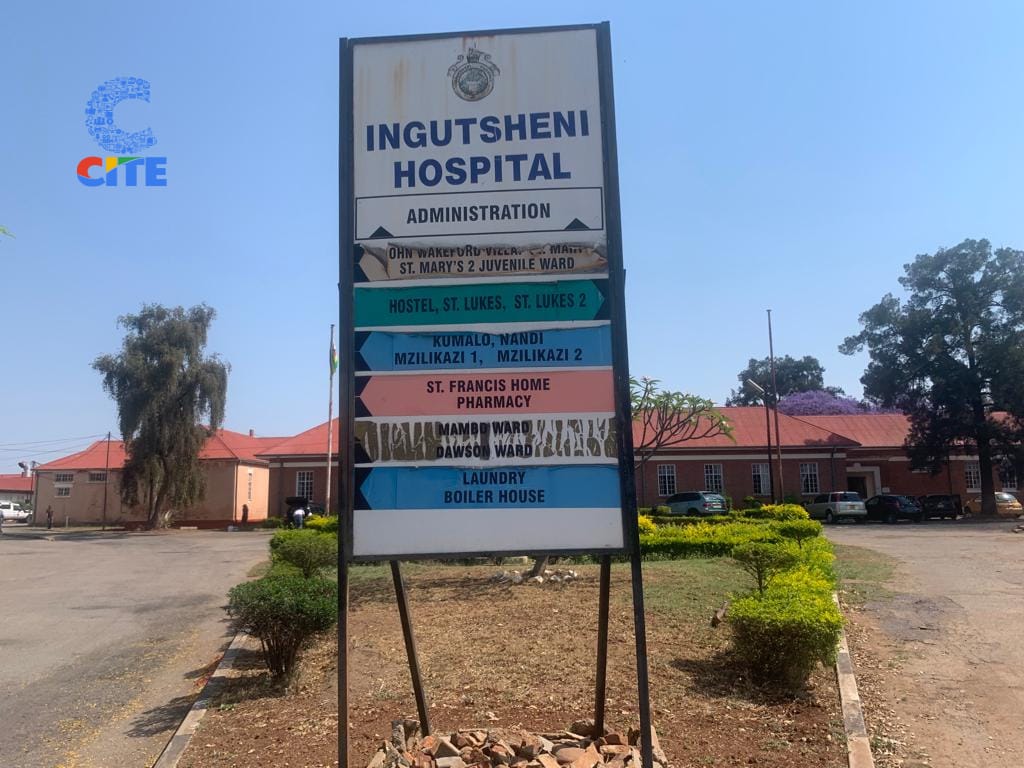
At Ingutsheni Central Hospital, Zimbabwe’s largest psychiatric institution, medicine donations have failed to close the gap.
“Despite Ingutsheni Hospital receiving medicines from Egypt, it still faces shortages of critical medications like Chlorpromazine and Diazepam as well as essential anti-craving and aversive drugs necessary for effective rehabilitation.”
Some of the facilities identified for conversion into rehabilitation centres are still waiting for formal communication.
“Some of the institutions earmarked for conversion into rehabilitation centres such as St. Luke’s (in Lupane) and Mzilikazi Male Circumcision Centres (in Bulawayo) have not yet received any communication in that regard,” observed the Committee.
These delays come despite the escalating prevalence of substance abuse, with common substances cited including crystal meth, cannabis, alcohol mixtures, cough syrups, and concoctions like njengu and tototo.
The report cited how the proposed Gwanda rehabilitation centre is in disrepair, lacking roofing and basic infrastructure.
In Lupane, the St. Luke’s facility requires extensive resources to be functional while Mzilikazi centre in Bulawayo, however, needs minimal investment.
Consequently, psychiatric patients are referred to Ingutsheni Central Hospital as all the hospitals visited lack adequate infrastructure and facilities while these institutions are overwhelmed by the number of admissions that exceed their carrying capacity.
The report stated how Masvingo’s Ngomahuru Hospital, though “dilapidated and seemingly marginalised,” holds significant potential due to its extensive land and is Zimbabwe’s second-largest psychiatric facility after Ingutsheni Hospital, with the highest capacity compared to Ingutsheni. “
“Unfortunately, some patients remain in the hospitals permanently, such as at Ngomahuru and Ingutsheni Central Hospital, further straining resources. Families often abandon their relatives, leading to an increase in admissions. For instance, as of June 24, 2024, Ingutsheni had 565 patients with a capacity of 708.”
Across the board, the health institutions visited suffer from critical shortages of trained professionals.
“There is a general shortage of trained professionals, including counsellors, psychiatrists and social workers with expertise in addiction treatment, which limits the quality and scope of services provided. Staffing levels are insufficient, with the ideal ratio of one nurse per four patients not being met,” the report says.
“Gwanda Provincial Hospital is struggling with a deficit of mental health personnel, currently employing only 33 out of the recommended 70 workers. Additionally, institutions like Chipadze lack social workers, an essential role in the recovery process for patients.”
Basic necessities are also in short supply such as uniforms for patients, especially in psychiatric sections, which are often unavailable, in poor condition with many torn.
“There is a persistent shortage of bedding and laundry facilities often malfunction leading to the deterioration of linen,” the Committee observed.
“There is a severe shortage of beds, forcing some patients to sleep on the floor or in makeshift arrangements.”
The financial constraints are most pronounced at facilities like Ngomahuru Hospital, which only receives 30 percent of its proposed budget, which “often only allows for the purchase of mealie-meal for two months.”
The Committee concluded that Zimbabwe lacks a consolidated policy on drug and substance abuse.
Though several laws exist, including the Dangerous Drugs Act, Medicines Control Act, and the Zimbabwe National Drug Master Plan (2020–2025), coordination remains fragmented.
The report called on the Ministry of Health and Child Care to urgently send formal communication to all facilities earmarked for conversion, recruit student interns to alleviate staff shortages and review outdated legislation.
Recommendations also urged the Ministry of Finance to allocate adequate resources to renovate the proposed centre in Gwanda and complete the one at St. Luke’s Hospital.
The Ministry of Public Service, Labour and Social Welfare is tasked with incentivising rural nurses to retain staff, while the Ministry of Youth Empowerment is urged to link rehab centres with vocational training institutions to provide long-term recovery.
When others look away, we dig deeper. From ZPRA history to local corruption, CITE tells the stories that matter. Keep our journalism independent. Donate here