

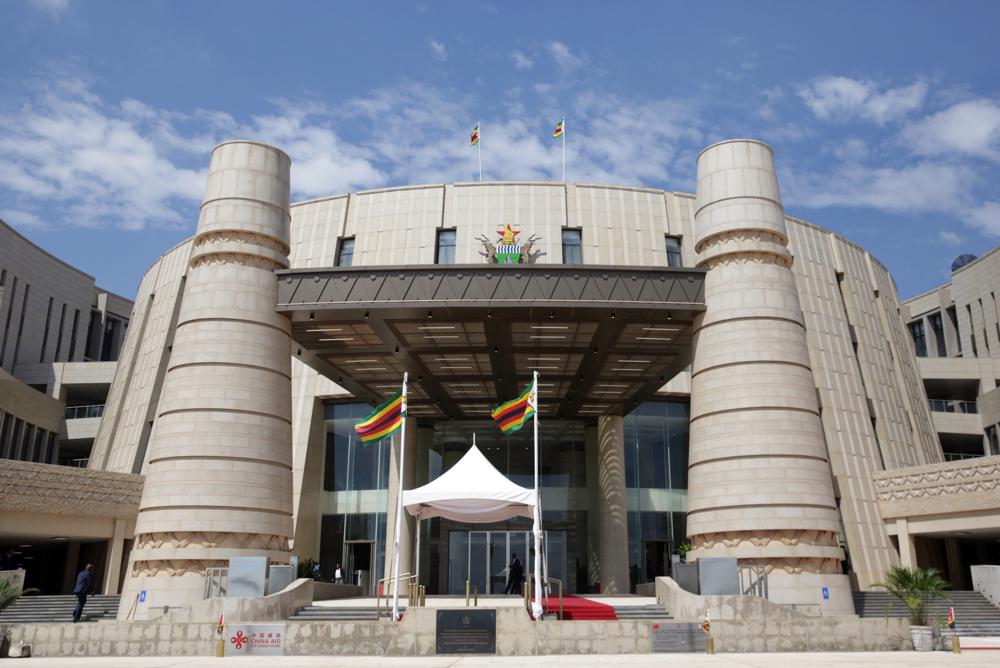
Some Zimbabweans have called for legislative reform to introduce minimum academic and professional qualifications for councillors and Members of Parliament (MPs), amid rising concerns over poor service delivery and weak governance across the country.
The current legal requirements for public office are minimal, only that candidates be registered voters aged 18 or above, with no formal education necessary. Critics argue that this has contributed to widespread mismanagement and ineffective leadership in both urban and rural councils.
The issue featured prominently in a recent This Morning on Asakhe X-Spaces discussion hosted by the Centre for Innovation and Technology (CITE), where governance expert Rejoice Ngwenya said minimum qualifications would raise the standard of local leadership.
“Councillors are the closest point of contact between citizens and government. They need to understand the issues they are dealing with,” Ngwenya said.
While acknowledging that academic qualifications alone do not guarantee good leadership, Ngwenya stressed their importance for basic literacy and legislative competence.
“It’s not just about performance. It’s about ensuring councillors are literate enough to analyse budgets, bylaws, and policy documents. These roles require critical thinking and informed decision-making,” he said.
Ngwenya also noted that education empowers elected officials to be more confident and assertive.
“Qualified leaders are more likely to speak up and less likely to fear losing their positions. Unfortunately, we’ve seen the rise of career politicians who are effective only in praise-singing,” he said.
He emphasised that leadership also depends on soft skills such as communication and emotional intelligence.
“Certificates aren’t enough. A good leader must know how to relate to people. Emotional intelligence allows leaders to understand their communities and subordinates—it’s not just about IQ,” he added.
Ngwenya called for structured training in research, policy development, and communication for councillors to perform their roles effectively.
“A leader should know how to gather and analyse information to formulate meaningful policy interventions. That’s a skill that must be taught,” he said.
Other contributors echoed Ngwenya’s sentiments, arguing that underqualified councillors and MPs have hampered progress.
Champion John cited Harare City Council as an example, saying many councillors struggle to understand financial statements or adopt modern technology.
“When we propose qualifications, it’s not to exclude anyone, but to ensure those in office can function effectively. Harare still lacks an ERP system. A city council must have functional committees and technical understanding,” he said.
He added that service delivery suffers when councillors lack capacity.
“We need leaders who can undergo training and bring results. Service delivery, like clean water, doesn’t happen by accident, it requires knowledge and coordination,” John said.
Brighton Kunaka called for a shift toward merit-based leadership.
“We must cultivate a culture that rewards meritocracy. Schools exist for a reason. This proposal is about recognising those committed to lifelong learning and personal development,” he said.
Beke Mguni agreed, arguing that MPs must be equipped to engage meaningfully in national dialogue.
“Minimum qualifications are essential. How can MPs debate policy if they can’t read or understand legislation?” she asked.
She said some lawmakers may not fully understand their roles.
“In Zimbabwe, laws are passed in Parliament, but many MPs don’t seem to grasp their legislative responsibility. If they had the necessary education, they could better serve their constituents,” Mguni said.
At CITE, we dig deep to preserve the stories that shaped us—ZPRA Liberation Archives, the DRC War, and more. These are not just stories—they’re our roots. We don’t hide them behind paywalls. We rely on you to keep them alive. Click here to donate: https://cite.org.zw/support-local-news/